
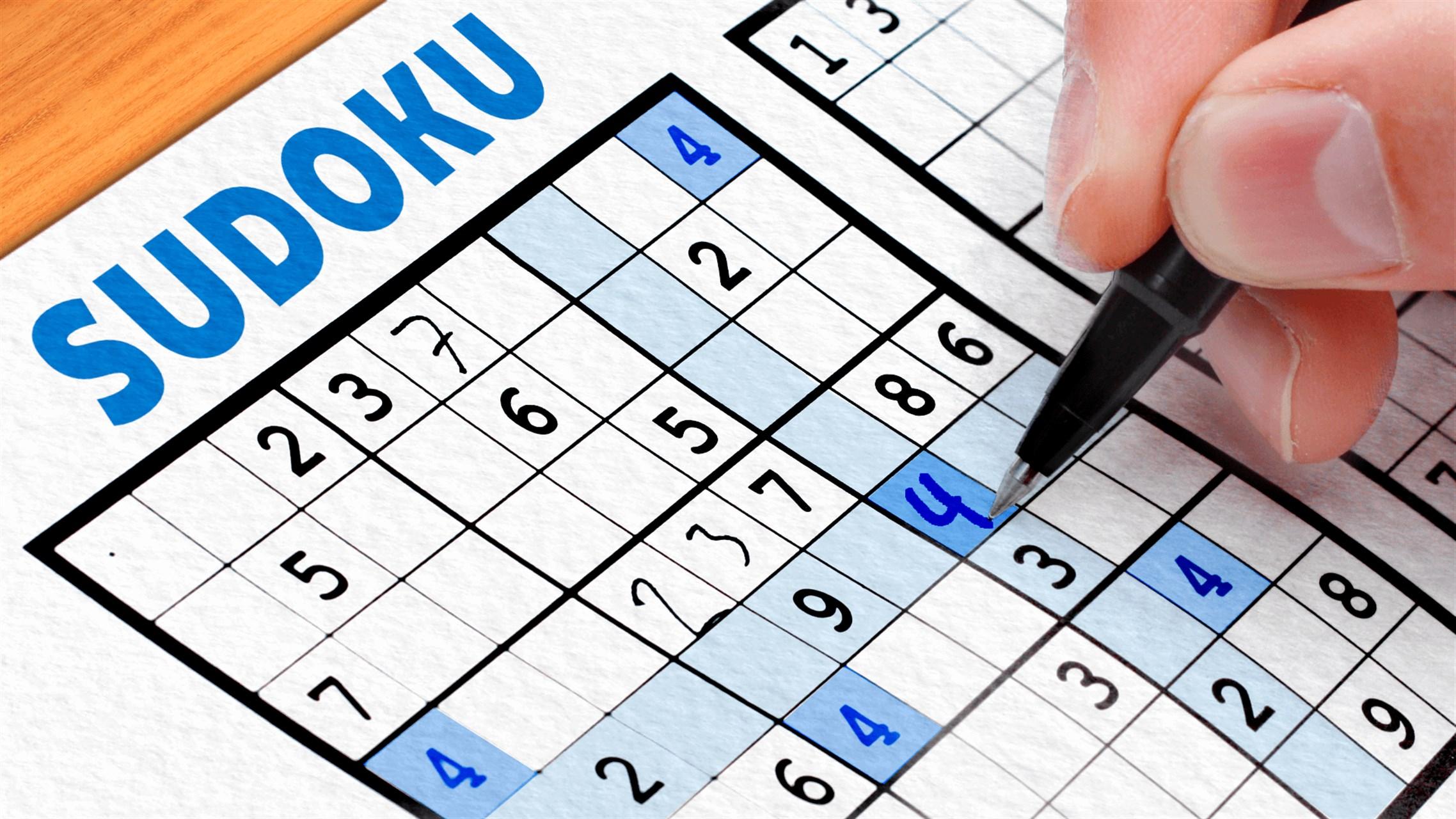
It Should Have Been Easy
You ever open a puzzle thinking, “Yeah, this one looks simple”—and then immediately regret that confidence?
That was me one random afternoon.
I picked a Sudoku that didn’t look intimidating at all. Plenty of numbers filled in, nice clean layout, nothing screaming “expert level.” I thought I’d breeze through it in a few minutes.
Spoiler: I did not.
The First Attempt (Total Confidence)
At the start, everything went smoothly.
I filled in a few obvious numbers, completed a couple of rows, and felt that familiar rhythm kicking in. You know that feeling when everything just flows? Yeah, I was in that zone.
And then… I hit a wall.
No big deal, I thought. Happens all the time.
So I slowed down, looked more carefully, tried to work through it logically. Still nothing. The grid just sat there like, “Good luck.”
The Second Attempt (Slightly Annoyed)
After a while, I started doubting my earlier moves.
“Did I mess something up?”
“Did I miss something obvious?”
Instead of carefully checking, I did what I always tell myself not to do—I guessed.
Bad idea.
A few moves later, everything started falling apart. Numbers didn’t fit anymore. Rows stopped making sense. It was chaos.
I stared at the screen for a second… then hit restart.
The Third Attempt (Now It’s Personal)
At this point, it wasn’t just a puzzle anymore.
It was a challenge.
I reopened the same Sudoku and told myself, “Okay, this time we do it properly. No rushing. No guessing.”
And to be fair, I did better.
I took my time. I double-checked each move. I used notes. I stayed patient.
But somehow… I still got stuck.
Same puzzle. Same problem.
Different attempt.
The Moment I Almost Gave Up
There’s always that moment.
The one where you look at the puzzle and think, “Why am I even doing this?”
I hovered over the “new game” button. I was this close to giving up and moving on.
Because let’s be honest—there are easier puzzles out there. Faster wins. Less frustration.
But something stopped me.
Maybe it was stubbornness. Maybe curiosity.
Or maybe I just didn’t want to lose to a grid of numbers.
Slowing Everything Down
Instead of quitting, I changed my approach.
I stopped trying to solve the puzzle.
Instead, I just observed.
I went row by row. Column by column. Not looking for answers—just looking for what didn’t belong. What couldn’t fit.
It felt slower. Less exciting. But also… clearer.
And then, finally, something clicked.
The Breakthrough
It wasn’t a big moment.
No dramatic realization. No “aha!” explosion.
Just one small number.
A single cell that suddenly made sense.
But that one number led to another. And then another. And before I knew it, the entire grid started opening up.
It was like unlocking a door I had been pushing against for way too long.
The Finish Line (Finally)
When I placed the last number, I just sat there for a second.
Not celebrating. Not overreacting.
Just… satisfied.
Because it wasn’t just about finishing the puzzle. It was about sticking with it.
Through the frustration. Through the restarts. Through the moments where quitting felt easier.
What That Puzzle Taught Me
That one Sudoku taught me more than I expected.
Restarting isn’t failure
Sometimes you need a fresh start to see things clearly.
Guessing rarely helps
It might feel faster, but it usually makes things worse.
Patience beats speed
Taking your time leads to better results—almost always.
Stubbornness can be a good thing
As long as it pushes you forward, not backward.
The Funny Part?
After all that struggle, I checked the difficulty level.
It wasn’t even “expert.”
Just… “medium.”
Yeah. That hurt a little.
Why I Still Love It
Even after moments like that—maybe because of them—I keep coming back to Sudoku.
It challenges me in a way that feels fair. It frustrates me, but never without reason. And when I finally get it right, it feels earned.
Not many games manage to do that so consistently.
Final Thoughts
That one puzzle might not have been the hardest I’ve ever played, but it’s definitely one I’ll remember.
Because it reminded me that sometimes, the challenge isn’t the puzzle itself—it’s how you approach it.