
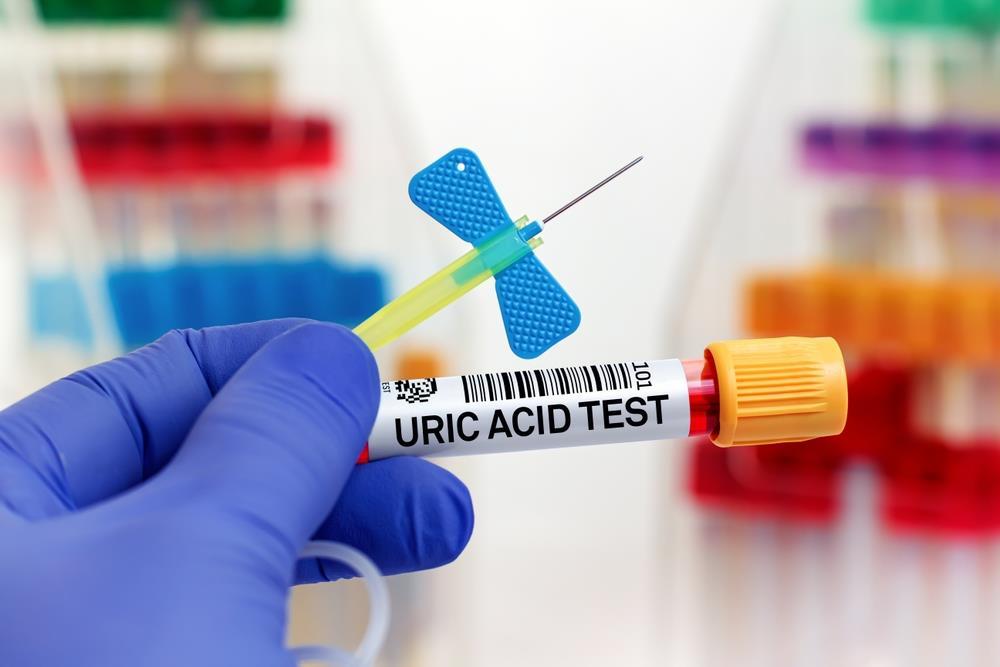
Your body constantly produces and eliminates various substances to maintain balance, and one of these is uric acid. While it may not receive as much attention as cholesterol or blood sugar, uric acid levels play a significant role in your overall health. A uric acid test provides valuable insights into how well your body is functioning especially when it comes to kidney efficiency and joint health.
Understanding this simple yet powerful test can help you detect potential health issues early and take preventive measures before complications arise.
What Is Uric Acid?
Uric acid is a natural waste product formed when the body breaks down purines substances found in certain foods and drinks such as red meat, seafood, and alcohol. Normally, uric acid dissolves in the blood, travels to the kidneys, and is excreted through urine.
However, when your body produces too much uric acid or fails to eliminate it effectively, levels can build up in the bloodstream. This condition, known as hyperuricemia, can lead to several health concerns, particularly affecting the joints and kidneys.
What Is a Uric Acid Test?
A uric acid test measures the amount of uric acid present in your blood or urine. It is a routine diagnostic test often recommended when symptoms suggest underlying issues such as joint pain or kidney dysfunction.
Doctors may advise this test if you experience:
- Sudden and severe joint pain
- Swelling or redness in joints
- Frequent kidney stones
- Unexplained fatigue or discomfort
The test is simple, quick, and typically requires either a blood sample or a 24-hour urine collection.
Why Is the Uric Acid Test Important?
A uric acid test acts as an early warning system for multiple health conditions. It helps healthcare providers assess how well your body is managing waste and whether any imbalances exist.
1. Detecting Gout
One of the most common reasons for a uric acid test is to diagnose gout a form of arthritis caused by uric acid crystal buildup in joints. High levels of uric acid can lead to sudden, intense pain, often in the big toe, along with swelling and redness.
Early detection allows for timely treatment, preventing long-term joint damage.
2. Monitoring Kidney Function
Your kidneys are responsible for filtering uric acid from the blood. Elevated levels may indicate that the kidneys are not functioning properly, potentially pointing to conditions like Chronic Kidney Disease.
By tracking uric acid levels, doctors can evaluate kidney performance and detect issues before they worsen.
3. Identifying Risk of Kidney Stones
Excess uric acid can crystallize and form stones in the urinary tract. These stones can cause severe pain and complications if not addressed promptly. A uric acid test helps determine whether you are at risk and guides preventive care.
Normal vs. High Uric Acid Levels
Uric acid levels are measured in milligrams per deciliter (mg/dL). While normal ranges may vary slightly depending on the laboratory, typical values are:
- Men: 3.4 to 7.0 mg/dL
- Women: 2.4 to 6.0 mg/dL
Higher-than-normal levels may indicate:
- Excess production of uric acid
- Poor kidney function
- Dietary factors
- Certain medications
On the other hand, low uric acid levels are less common but may also signal underlying health issues.
Causes of High Uric Acid Levels
Several factors can contribute to elevated uric acid levels, including lifestyle habits, medical conditions, and genetics.
Diet and Lifestyle
Consuming foods high in purines such as red meat, organ meats, and sugary beverages can increase uric acid production. Alcohol, particularly beer, is also a known contributor.
Medical Conditions
Certain conditions like Obesity, diabetes, and high blood pressure can disrupt the body’s ability to regulate uric acid levels effectively.
Medications
Some medications, including diuretics and certain chemotherapy drugs, may raise uric acid levels as a side effect.
Genetics
In some cases, individuals may inherit a tendency to produce more uric acid or have difficulty eliminating it.
Symptoms That May Require Testing
Many people with high uric acid levels may not experience symptoms initially. However, as levels rise, noticeable signs may appear.
Common symptoms include:
- Sharp joint pain, especially at night
- Swelling and stiffness in joints
- Reduced range of motion
- Pain in the lower back or sides (possible kidney stones)
If you notice any of these symptoms, it is advisable to consult a healthcare professional for evaluation.
How to Prepare for a Uric Acid Test
Preparation for a uric acid test is minimal, but following a few guidelines can help ensure accurate results:
- Avoid alcohol for at least 24 hours before the test
- Inform your doctor about any medications you are taking
- Follow fasting instructions if advised
Always consult your healthcare provider for specific instructions based on your condition.
Managing and Controlling Uric Acid Levels
If your test results indicate high uric acid levels, several strategies can help bring them under control.
Dietary Changes
Reducing purine-rich foods and increasing your intake of fruits, vegetables, and whole grains can significantly lower uric acid levels. Staying hydrated also helps the kidneys flush out excess uric acid.
Regular Exercise
Maintaining a healthy weight through regular physical activity can improve overall metabolic health and reduce uric acid production.
Medications
In some cases, doctors may prescribe medications to control uric acid levels, especially for individuals with recurring gout attacks or kidney issues.
Routine Monitoring
Regular testing ensures that your uric acid levels remain within a healthy range and helps track the effectiveness of treatment plans.
When Should You Get Tested?
You should consider getting a uric acid test if you:
- Experience recurring joint pain or swelling
- Have a family history of gout or kidney disease
- Are undergoing treatment for related conditions
- Want to monitor your overall metabolic health
Early testing can prevent complications and support better long-term health outcomes.
Conclusion
A uric acid test is more than just a routine lab check it offers a clear window into your kidney function and joint health. Identifying imbalances early empowers you to take proactive steps toward a healthier lifestyle.
Whether you are managing symptoms or simply staying informed about your health, regular testing plays a vital role in prevention and care. Platforms like Instacare.pk make it easier than ever to access reliable uric acid test in lahore, helping you stay on top of your health with convenience and confidence.
Taking control of your uric acid levels today can lead to a healthier, pain-free tomorrow.