
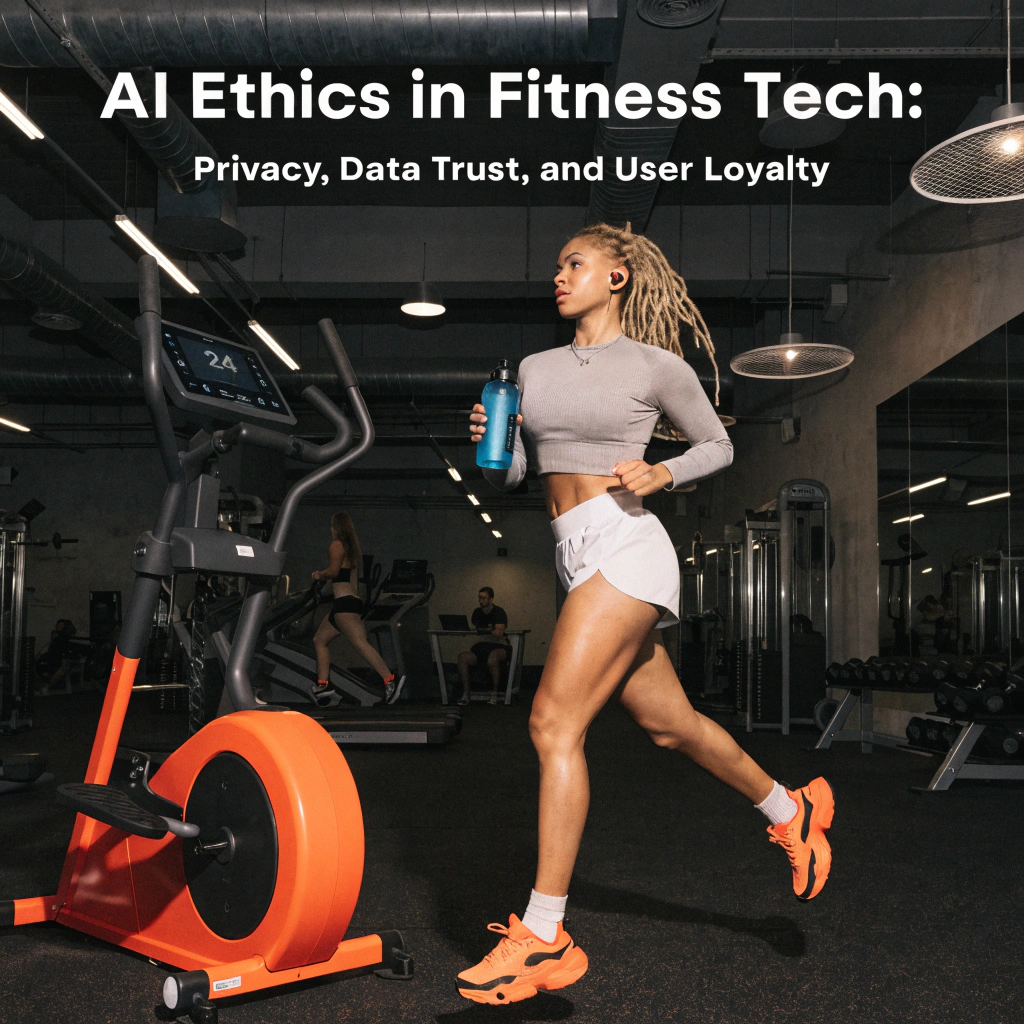
The fitness and wellness industry is being transformed at a rapid pace thanks to Artificial Intelligence. Starting from personalized fitness and AI-driven diets to predictive analysis and healthcare forecasts, AI is leading innovations in fitness applications. But along with an increasing use of AI in the fitness industry, issues related to ethics have also stepped into prominence.
For fitness brands and tech companies, success is no longer defined solely on the basis of innovation in terms of features but also on responsible data handling. It is the need of the hour for companies to adopt responsible AI, especially in this digitally driven global landscape.
It discusses the ethical considerations of AI within Fitness Apps, the significance of ethical data usage, and the ways in which organizations can capitalize on AI for ethical and sustainable fitness apps.
The Growing Role of AI in Fitness Technology
The Role of AI in Fitness has expanded significantly over the last few years. AI-powered algorithms now analyze user behavior, fitness levels, health data, and engagement patterns to deliver personalized experiences at scale.
Key applications of AI in fitness include:
- Smart workout recommendations
- Adaptive training plans
- AI-driven nutrition insights
- Real-time performance analytics
- Injury prevention and recovery suggestions
These innovations have transformed AI in the fitness industry, making apps more intelligent, engaging, and effective. However, this intelligence relies heavily on collecting and processing sensitive personal data—raising critical ethical questions.
Why AI Ethics Matters in Fitness Apps
Fitness-related applications tend to involve highly personal data, which can be categorized into health-related information, levels of activity, biometric details, location, and behavior trends. Once these details are processed through an AI system, there are obligations on businesses to handle this in an ethical manner.
Ethical AI is no longer about compliance but about delivering a competitive advantage. Users are becoming more and more aware of data usage and expect more from fitness brands in terms of trust and respect for their personal data and privacy.
A professional fitness application development company knows that responsible use of AI is basic to achieving long-term success rather than a last consideration.
Data Privacy: The Foundation of Ethical AI
Protecting Sensitive Health Data
Health and fitness data is among the most personal information a user can share. Ethical fitness apps must implement robust security measures, including encryption, secure cloud storage, and strict access controls.
Strong data protection practices are essential in modern fitness mobile app development, where apps often integrate with wearables, third-party APIs, and cloud platforms.
Transparent Data Collection Policies
Users should clearly understand what data is collected, how it is used, and why it is needed. Transparent privacy policies and consent mechanisms help users feel in control of their information.
Trust grows when businesses explain how AI systems work—rather than hiding behind complex technical jargon.
Compliance with Global Data Regulations
Ethical AI aligns closely with regulatory compliance, including GDPR, HIPAA, and other data protection laws. Following these standards helps reduce legal risks while reinforcing credibility.
A reliable fitness app development company ensures compliance is built into the app architecture from day one.
Building Data Trust Through Responsible AI
Explainable AI for Users
One of the biggest challenges with AI systems is their “black box” nature. Ethical fitness apps aim to make AI decisions more understandable—explaining why a workout or nutrition plan was recommended.
Explainable AI builds confidence and helps users trust the technology guiding their health journey.
Minimizing Data Bias
AI systems are only as good as the data they are trained on. Bias in training data can lead to inaccurate recommendations or the exclusion of certain user groups.
Responsible AI in Fitness Apps requires continuous monitoring, diverse data sets, and regular audits to ensure fairness and inclusivity.
Data Minimization Principles
Ethical AI systems collect only the data they truly need. Over-collection increases security risks and undermines user trust.
Businesses focused on ethical fitness app development services prioritize purpose-driven data usage rather than unnecessary data accumulation.
User Loyalty: The Business Impact of Ethical AI
Ethical AI practices directly influence user loyalty. When users trust a fitness app, they are more likely to stay engaged, subscribe to premium features, and recommend the app to others.
Long-Term Engagement Over Short-Term Gains
Aggressive data monetization may deliver short-term revenue but often damages trust. Ethical AI focuses on delivering genuine value, leading to sustainable growth.
This trust-driven approach is increasingly important in the competitive AI in the fitness industry.
Personalized Experiences Without Privacy Intrusion
AI allows personalization without being invasive—when implemented responsibly. Ethical personalization respects boundaries while still delivering relevant insights.
This balance is a key success factor for modern fitness mobile app development projects.
Brand Reputation and Market Differentiation
Fitness brands that prioritize ethics stand out in a crowded market. Transparency, privacy protection, and responsible AI use become powerful brand differentiators.
Partnering with an experienced fitness mobile app development company helps businesses embed these principles into their digital products.
Ethical AI as a Competitive Advantage for Fitness Businesses
As users become more privacy-conscious, ethical AI is evolving from a “nice-to-have” to a core business requirement. Fitness apps that fail to address ethical concerns risk losing users, facing regulatory penalties, and damaging their brand reputation.
In contrast, companies that invest in ethical custom fitness app development create products that users trust and rely on, driving higher retention and lifetime value.
Best Practices for Ethical AI in Fitness Apps
To build trust-driven fitness applications, businesses should follow these best practices:
- Implement privacy-by-design principles
- Use a transparent AI decision-making model
- Secure user data with industry-standard protocol
- Regularly audit AI systems for bias and accuracy
- Provide users control over their data and preferences
A professional fitness app development agency ensures these practices are integrated into every stage of the development lifecycle.
The Future of Ethical AI in Fitness Tech
The future of fitness tech will also be determined based on effective use of AI. As time progresses, effective use of AI will require stronger ethical guidelines.
The Future of Fitness and Artificial Intelligence: The Role of AI in Fitness will expand and evolve. However, not all Fitness Businesses and Organizations will be well-suited for this change. Only Fitness Brands that adapt and focus on Privacy and trust with
Contrary to what many people might think, ethical AI is what will enable innovation, not something that gets in the way. It’s what will make innovation that
Conclusion
AI has enabled revolutionary possibilities within the fitness industry, which range from intelligent personalization to successful digital solutions, but with ethical obligations attached to these advantages.
With a commitment to privacy, transparency, and the responsible use of data, fitness businesses can establish trust with their audience and create strong loyalty and a market differentiator. It is not only desirable but necessary for the healthy growth of the fitness industry that fitness businesses embrace ethical AI.
To ensure innovation and ethics integration, and advancement with businesses investing in AI-powered fitness solutions, collaboration with the right development experts is paramount.