
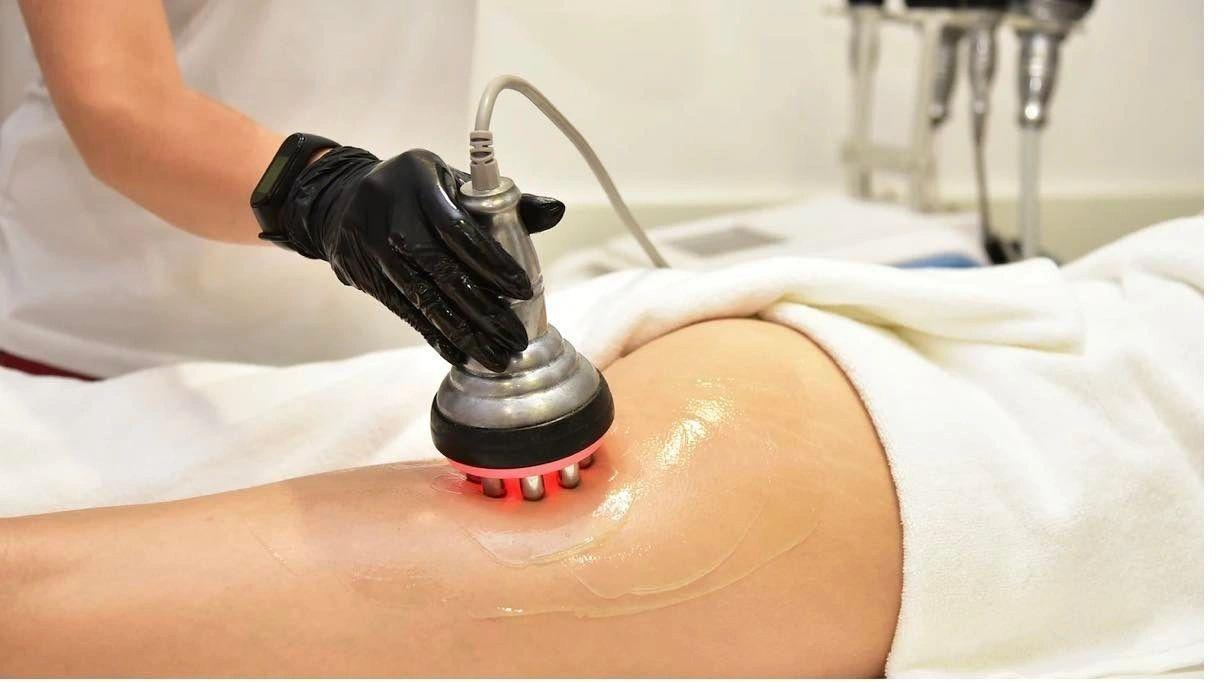
When stubborn fat pockets refuse to budge despite healthy eating and regular exercise, many people turn to non-surgical fat reduction methods. These treatments target specific areas like the abdomen, thighs, or chin without requiring a scalpel or long recovery time. Among the most popular options is CoolSculpting, but it is far from the only choice available today. Other techniques include laser lipolysis, radiofrequency fat reduction, and injection-based treatments. Each method works differently, suits different body types, and offers unique benefits. Understanding how they compare helps anyone make a confident, informed decision.
What Is CoolSculpting and How Does It Work?
Coolsculpting in Dubai uses cryolipolysis, a technology that freezes fat cells. A device applies controlled cooling to the targeted area, causing fat cells to crystallize and die. Over the following weeks, the body naturally processes and eliminates these dead cells. The result is a gradual reduction of fat in the treated area. This method does not damage skin or nearby tissues because fat cells freeze at a higher temperature than other cells. CoolSculpting works best on pinchable fat, such as love handles, belly bulges, or double chins. Patients often describe the sensation as intense cold followed by numbness, and they can read, nap, or work during the session.
Other Non-Surgical Fat Reduction Methods
Laser lipolysis uses heat from laser energy to destroy fat cells. A small fiber is placed under the skin or applied externally, depending on the device. The laser melts fat, which the body then removes naturally. Some laser treatments also tighten skin by stimulating collagen. This method works well for smaller areas like the chin or knees.
Radiofrequency Fat Reduction
Radiofrequency energy heats the deeper layers of skin and fat. The heat disrupts fat cells while tightening existing skin. Unlike freezing or laser methods, radiofrequency often feels like a warm massage. It tends to be preferred for areas where skin laxity is also a concern, such as the arms or lower belly.
Injection Lipolysis
Injection-based treatments involve a series of small shots into the fat pocket. The solution breaks down fat cell walls, and the body eliminates them over time. This method typically requires multiple sessions and works best for small, stubborn areas like a double chin or bra fat.
Key Differences Between CoolSculpting and Other Methods
CoolSculpting freezes fat cells, while laser and radiofrequency methods use heat. Injection lipolysis uses a chemical solution. This fundamental difference affects comfort, session length, and results. Freezing tends to cause temporary numbness, while heat-based methods may cause a warm or prickly feeling.
Treatment Areas
CoolSculpting effectively treats larger pinchable areas such as the flanks, lower abdomen, and inner thighs. Laser lipolysis excels in smaller, more delicate zones like the chin or knees. Radiofrequency works well on looser skin areas, and injections are ideal for tiny, isolated fat pockets.
Number of Sessions
Most people need one to three CoolSculpting sessions per area, with results appearing over three months. Laser and radiofrequency methods often require multiple sessions spaced weeks apart. Injection lipolysis usually demands a series of four to six treatments for optimal results.
Sensation During Treatment
During CoolSculpting, intense cold gives way to numbness. Laser lipolysis may produce a pinching or heating feeling. Radiofrequency is often described as a hot stone massage. Injection lipolysis involves multiple small stings, similar to minor bee stings.
Results Timeline
CoolSculpting results begin to show around three weeks, with full results visible after three months. Laser and radiofrequency results appear more gradually over several weeks. Injection lipolysis results develop over months as the body clears dissolved fat.
Which Method Might Suit Different Body Types?
People with pinchable, soft fat often see excellent results with CoolSculpting. Those with firmer, fibrous fat or cellulite may prefer radiofrequency. Laser lipolysis fits well for individuals with small stubborn pockets resistant to diet and exercise. Injection lipolysis works for those with very targeted concerns, such as a small chin bulge or bra fat. The best method also depends on skin quality, age, and personal comfort with cold versus heat.
FAQs
Is CoolSculpting more effective than laser lipolysis?
Effectiveness depends on the person and the area. CoolSculpting reduces a higher volume of fat in one session for larger areas. Laser lipolysis may be more precise for tiny zones and offers mild skin tightening. Neither is universally better; each has strengths.
Can radiofrequency fat reduction replace CoolSculpting?
Radiofrequency can replace CoolSculpting for people who dislike cold sensations or have loose skin. However, radiofrequency often requires more sessions to achieve similar fat reduction. Some people combine both methods for enhanced results.
How long do results last from these methods?
All these methods permanently destroy treated fat cells. Remaining fat cells can still grow if a person gains weight. Maintaining a stable weight keeps results visible for years. No method prevents future weight gain.
Are these treatments painful without numbing?
CoolSculpting causes intense cold and pulling sensations initially, then numbness. Laser lipolysis may sting slightly. Radiofrequency feels warm but rarely painful. Injection lipolysis produces brief sharp sensations with each shot. Most people tolerate all methods well.
Which method works fastest?
CoolSculpting often shows visible changes in three weeks, with full effect at three months. Laser and radiofrequency may take two to three months. Injection lipolysis takes the longest, often four to six months.
Making a Choice Without Confusion
Choosing between CoolSculpting and other methods comes down to personal preference, body goals, and tolerance for cold or heat. CoolSculpting remains a top choice for treating larger, pinchable fat areas with a single session. Laser lipolysis offers precision and mild skin tightening. Radiofrequency combines fat reduction with skin firming, ideal for those with mild laxity. Injection lipolysis targets tiny, stubborn spots without any device touching the skin. No single method wins for everyone. Understanding the differences in sensation, session count, and results timeline helps people pick what fits their life and comfort.
Conclusion
Coolsculpting stands out for its freezing technology and ability to treat larger fat pockets in fewer sessions, but it is not the only effective non-surgical fat reduction method. Laser lipolysis, radiofrequency, and injection-based treatments each offer unique advantages for different body types and problem areas. Laser lipolysis shines in delicate zones, radiofrequency excels where skin tightening matters, and injection lipolysis handles the smallest stubborn spots. The right choice depends entirely on individual anatomy, comfort preferences, and how quickly results are expected. By understanding how each method works and comparing them honestly, anyone can confidently select a path toward a more contoured shape without surgery or downtime.