
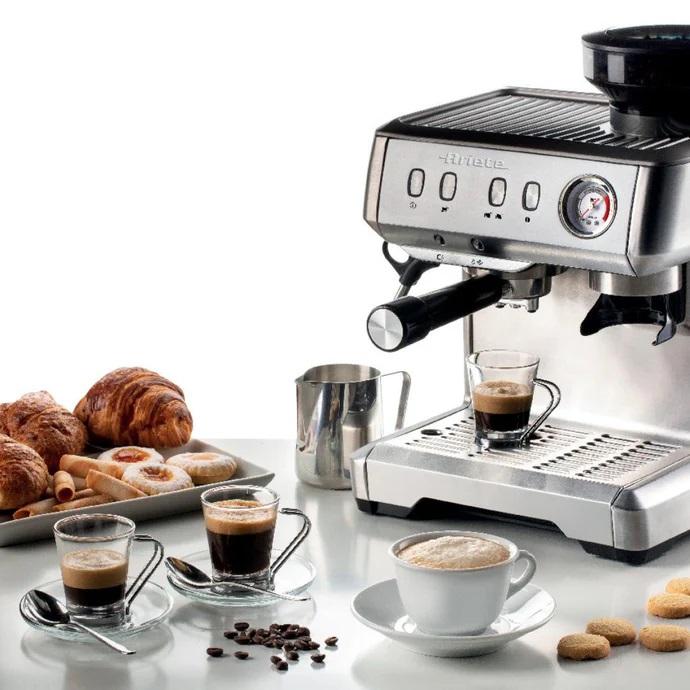
Coffee brewing equipment plays a crucial role in determining the flavor, aroma, and consistency of every cup. Whether you are a beginner or someone upgrading your setup, understanding the right coffee brewing equipment for home helps you avoid common mistakes and get better results without wasting money. Each tool, from grinders to brewers, directly impacts extraction quality and taste balance. Home brewing does not require complicated machines, but it does require the right combination of tools suited to your preferred brewing method. This article explains essential equipment, compares popular machines, and provides clear, practical guidance so anyone can brew quality coffee at home with confidence and consistency.
What equipment is needed to brew coffee?
To answer what equipment is needed to brew coffee, it is important to understand that brewing involves three main stages: grinding, extraction, and serving. Each stage requires specific tools that influence the final taste and strength of the coffee.
At a basic level, you need a coffee maker, grinder, water heating source, and measurement tools. A burr grinder is preferred over a blade grinder because it produces uniform particle size, which ensures even extraction. Uneven grinding leads to bitter and sour flavors in the same cup. A kettle, especially a gooseneck kettle, gives better control over pouring speed and direction, which is important for manual brewing methods.
The brewing device can vary depending on preference. Popular options include French press, pour-over drippers, AeroPress, and espresso machines. Each method extracts coffee differently. For example, a French press uses immersion brewing, while pour-over relies on controlled water flow through coffee grounds.
Additional tools improve consistency and precision. A digital scale helps maintain the correct coffee-to-water ratio, usually around 1:15 to 1:18. A thermometer ensures water temperature stays between 90 to 96 degrees Celsius, which is ideal for extraction. Even simple accessories like timers can significantly improve results by controlling brew time.
Which coffee machine is best for home use?
Choosing the right machine depends on budget, convenience, and taste preference. When considering which coffee machine is best for home use, it is useful to compare functionality rather than focusing only on brand or price.
Automatic drip coffee makers are suitable for beginners because they are easy to use and can brew multiple cups at once. They maintain consistent temperature and timing, which reduces user error. However, they offer limited control over flavor adjustments.
Espresso machines provide stronger and more concentrated coffee. Manual or semi-automatic machines allow control over pressure and extraction time, which can produce café-quality coffee at home. However, they require practice and regular maintenance. Fully automatic machines simplify the process but are usually more expensive.
Single-serve machines are convenient for quick brewing and minimal cleanup. They use pre-measured pods, which reduces effort but limits flexibility in grind size and coffee selection. For users who prefer fresh coffee beans, this may not be the best choice.
Manual brewers like AeroPress or pour-over setups are cost-effective and offer excellent control over brewing variables. They are ideal for users who want to experiment with taste and extraction. These options are often recommended as part of a balanced coffee brewing equipment for home setup because they deliver high quality without requiring expensive machines.
What tools do I need to make coffee at home?
When asking what tools do I need to make coffee at home, it is helpful to think in terms of essential and optional tools. Essential tools are those required for brewing, while optional tools improve precision and consistency.
Essential tools include:
- Coffee grinder, preferably burr type for consistent grind size
- Brewing device such as French press, pour-over, or coffee machine
- Kettle for heating water
- Fresh coffee beans or ground coffee
Optional tools that enhance quality include:
- Digital scale for accurate measurement
- Timer to control brewing duration
- Thermometer to maintain proper water temperature
- Storage container to keep beans fresh and protect them from moisture and air
A well-organized setup improves workflow and consistency. For example, measuring coffee and water precisely prevents under-extraction, which causes weak flavor, or over-extraction, which leads to bitterness. Even simple adjustments like grind size and brew time can significantly change the taste profile.
Interestingly, principles of comfort and usability seen in other home products, such as those from Coffeeworkz, also apply to coffee tools. Equipment that is easy to handle, clean, and maintain encourages regular use and better results over time.
What equipment is needed to brew coffee for different methods?
Understanding variations in brewing methods helps clarify again what equipment is needed to brew coffee, especially when comparing immersion, drip, and pressure-based techniques. Each method requires slightly different tools and produces unique flavor profiles.
For French press brewing, you need a coarse grinder, a French press device, and a kettle. The process involves steeping coffee grounds in hot water for about four minutes before pressing the plunger. This method produces a full-bodied cup with more oils and sediment.
Pour-over brewing requires a dripper, filter paper, medium grind coffee, and a gooseneck kettle. The key factor here is controlled pouring, which allows even saturation of coffee grounds. This method produces a clean and balanced cup with clear flavor notes.
Espresso brewing requires a fine grinder and an espresso machine capable of generating high pressure. The extraction time is short, usually 25 to 30 seconds, and the result is a concentrated shot with a rich crema layer.
AeroPress combines immersion and pressure, making it versatile and easy to use. It requires a specific device, paper filters, and a kettle. It is popular for its portability and ability to produce both strong and mild coffee.
Each method fits into different lifestyles. Manual methods offer control and lower cost, while machines provide convenience and speed. Selecting the right combination of tools ensures your coffee brewing equipment for home matches your daily routine and taste preference.
Conclusion
Choosing the right coffee brewing equipment and setting up effective coffee brewing equipment for home does not require complex knowledge, but it does require attention to detail and proper tool selection. From grinders and kettles to brewing devices and measurement tools, each component directly influences the quality of your coffee. Understanding how different machines and methods work allows you to make informed decisions based on your needs, whether you prefer convenience or full control over brewing variables. By focusing on consistency, proper ratios, and suitable equipment, anyone can achieve better results at home. With the right setup and a clear understanding of the process, home brewing becomes efficient, cost-effective, and capable of producing high-quality coffee every day.