
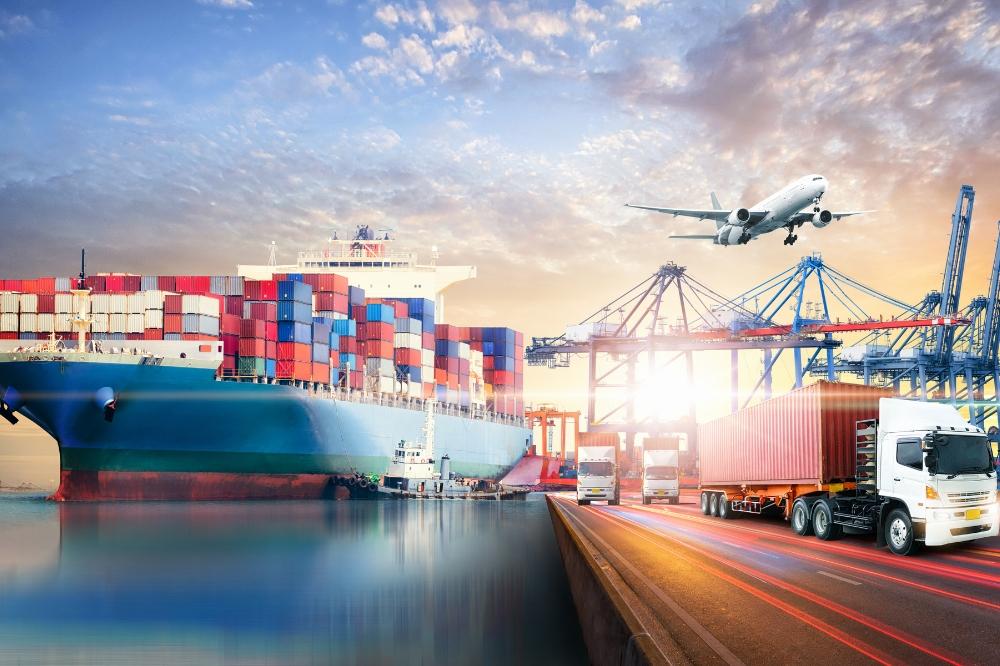
What if your supply chain could save money and protect the environment at the same time? That’s exactly what green logistics is doing for modern businesses.
Today, every forward-thinking logistics company in chennai and across India is shifting toward eco-friendly practices. With rising fuel costs, strict environmental rules, and growing customer awareness, green logistics is no longer optional—it’s essential.
In this blog, you’ll learn what green logistics is, why it matters, and how businesses can build a sustainable supply chain that benefits both profit and the planet.
What is Green Logistics?
Green logistics refers to the use of eco-friendly practices in transportation, warehousing, packaging, and distribution. The goal is simple: reduce environmental impact while maintaining efficiency.
Key Elements of Green Logistics:
- Reduced carbon emissions
- Fuel-efficient transportation
- Eco-friendly packaging
- Smart route planning
- Waste reduction in warehouses
It combines sustainability with operational efficiency, helping companies lower costs while protecting natural resources.
Why Green Logistics is Important in India
India is one of the fastest-growing economies, and logistics plays a huge role in this growth. However, it also contributes significantly to pollution and carbon emissions.
Major Reasons to Adopt Green Logistics:
1. Environmental Protection
Transportation contributes heavily to air pollution. Green logistics helps reduce carbon footprint and supports cleaner cities.
2. Cost Savings
Fuel-efficient vehicles, optimized routes, and reduced waste lead to long-term cost reduction.
3. Government Regulations
The Indian government is promoting sustainability through policies like:
- BS6 emission norms
- Electric vehicle incentives
- Green warehousing initiatives
4. Customer Demand
Today’s customers prefer eco-conscious brands. Businesses that adopt green logistics gain a competitive advantage.
Key Strategies for Building a Sustainable Supply Chain
1. Use Fuel-Efficient and Electric Vehicles
Switching to electric or hybrid vehicles can significantly reduce emissions. Many logistics providers are now investing in EV fleets for last-mile delivery.
2. Optimize Transportation Routes
Smart route planning using AI and GPS reduces fuel consumption and delivery time.
Benefits:
- Less fuel usage
- Faster deliveries
- Lower operational costs
3. Green Warehousing Practices
Warehouses are a critical part of the supply chain. Making them eco-friendly can create a big impact.
Sustainable Warehouse Techniques:
- Solar panel installation
- Energy-efficient lighting (LED)
- Rainwater harvesting
- Automated systems to reduce waste
4. Eco-Friendly Packaging
Packaging waste is a major environmental concern.
Solutions:
- Use biodegradable materials
- Reduce plastic usage
- Adopt reusable packaging
- Optimize packaging size to avoid waste
5. Reverse Logistics (Recycling & Returns)
Reverse logistics focuses on returning, recycling, and reusing products.
Advantages:
- Reduces landfill waste
- Saves resources
- Improves brand image
6. Digital Transformation in Logistics
Technology plays a key role in green logistics.
Tools Used:
- AI-based route optimization
- IoT for real-time tracking
- Warehouse automation systems
These technologies reduce unnecessary fuel use and improve efficiency.
Benefits of Green Logistics Services
1. Reduced Carbon Footprint
Eco-friendly practices significantly lower greenhouse gas emissions.
2. Cost Efficiency
Although initial investment may be high, long-term savings are substantial.
3. Better Brand Reputation
Companies adopting sustainable practices are trusted more by customers.
4. Compliance with Regulations
Avoid penalties and stay aligned with environmental laws.
5. Improved Operational Efficiency
Smart logistics systems improve delivery speed and accuracy.
Challenges in Implementing Green Logistics
While green logistics offers many benefits, businesses may face some challenges:
1. High Initial Investment
Electric vehicles, solar panels, and automation systems require upfront costs.
2. Lack of Awareness
Many small businesses are still unaware of sustainable logistics practices.
3. Infrastructure Limitations
EV charging stations and green warehouses are still developing in India.
How to Choose the Right Green Logistics Partner
Choosing the right logistics partner is crucial for building a sustainable supply chain.
Look for These Features:
1. Eco-Friendly Fleet
Check if they use electric or fuel-efficient vehicles.
2. Technology Integration
Ensure they use advanced tools like AI and IoT for optimization.
3. Sustainable Packaging Options
A good provider offers eco-friendly packaging solutions.
4. Transparent Operations
Real-time tracking and reporting help monitor sustainability goals.
A reliable logistics company in chennai with green initiatives can help your business achieve both sustainability and efficiency.
Future of Green Logistics in India
The future of logistics in India is green and technology-driven.
Emerging Trends:
- Electric delivery vehicles
- Drone deliveries
- Smart warehouses
- Carbon-neutral logistics services
Government support and increasing awareness will accelerate the adoption of green logistics in the coming years.
Conclusion: Build a Smarter, Greener Supply Chain Today
Green logistics is not just a trend—it’s the future of supply chain management. Businesses that adopt eco-friendly practices today will lead tomorrow’s market.
By investing in sustainable transportation, smart warehousing, and eco-friendly packaging, you can reduce costs, improve efficiency, and protect the environment.
Take Action Now
If you want to stay ahead in today’s competitive market, partner with a trusted logistics provider that focuses on sustainability.
Start building your green supply chain today—and make a positive impact on both your business and the planet.