
Introduction
In the United States, safe and reliable water storage is a critical component of residential, commercial, and industrial infrastructure. Whether it’s for drinking water, emergency reserves, or operational use, maintaining water quality is just as important as ensuring availability. With increasing awareness about public health and regulatory compliance, choosing the right storage solution has become more complex than ever. Poor-quality tanks can lead to contamination, system failures, and costly repairs.
This is why certified solutions play a vital role in protecting both human health and long-term investments. By understanding how to evaluate water storage options effectively, property owners and businesses can make informed decisions that ensure safety, efficiency, and peace of mind.
What Does NSF Certification Mean?
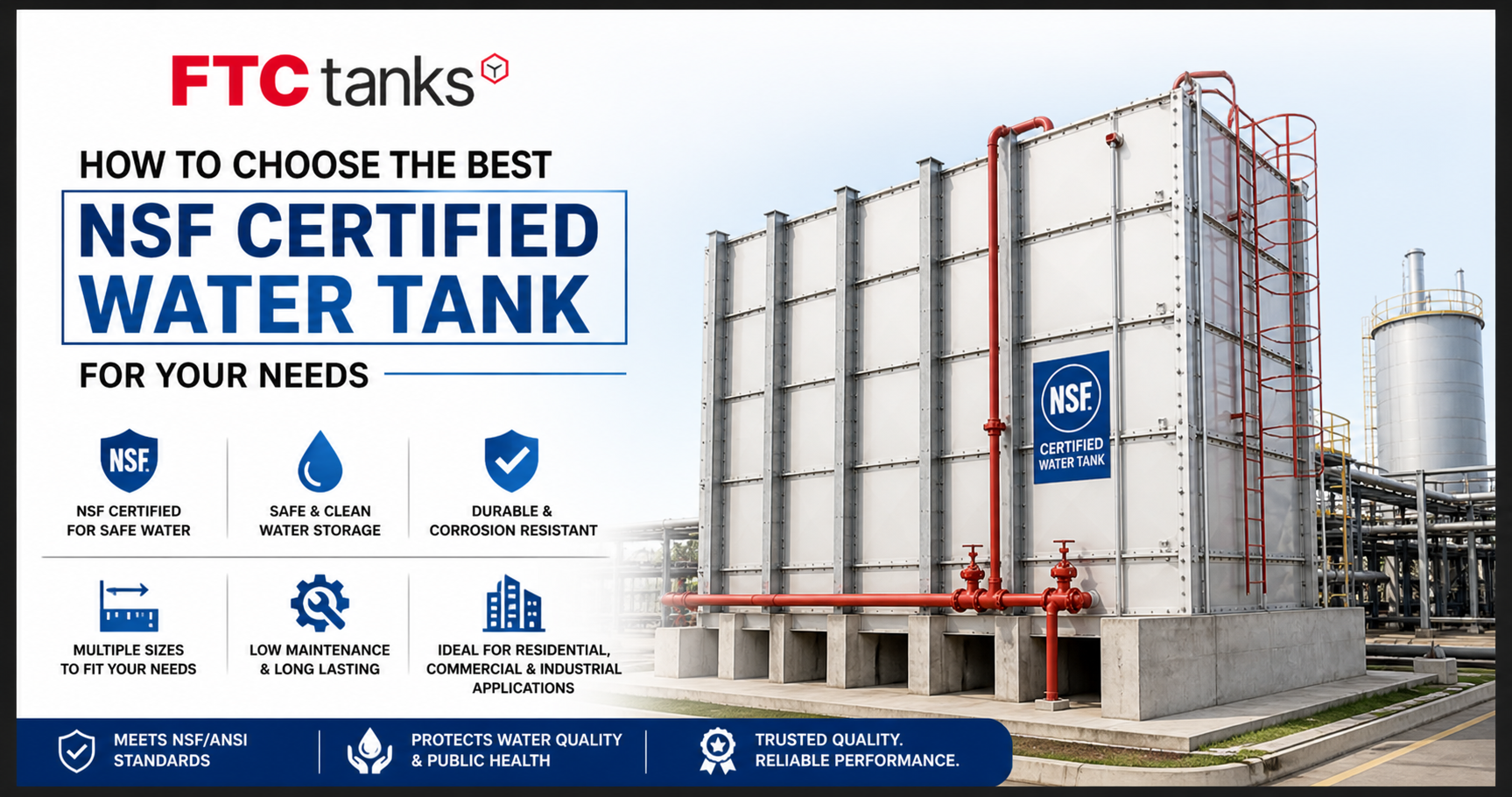
NSF certification is a recognized standard in the United States that ensures products meet strict public health and safety guidelines. When it comes to water storage, this certification verifies that the tank materials do not contaminate stored water and are safe for potable use.
Choosing NSF certified water tanks means you are investing in a product that has been rigorously tested for durability, safety, and compliance. These tanks are commonly used in residential homes, commercial buildings, and industries where water quality is a top priority.
Understanding this certification is the first step toward making a reliable and compliant choice.
Key Factors to Consider When Choosing a Water Tank
Selecting the right tank requires careful evaluation of several important factors:
1. Purpose of Use
Determine whether the tank will be used for drinking water, fire protection, or industrial processes. Each application has different requirements.
2. Tank Capacity
Choose a size that meets your daily consumption and emergency needs without overestimating, which can increase costs unnecessarily.
3. Material Quality
Materials such as fiberglass, polyethylene, or steel offer different benefits. Ensure the material aligns with your environmental conditions and usage.
4. Installation Location
Consider whether the tank will be installed above ground, underground, or on rooftops, as this affects design and durability.
By assessing these factors, you can narrow down the best options for your specific needs.
Why NSF Certification Matters for Water Safety
Water contamination can have serious health consequences, making certification a non-negotiable factor for many applications. NSF-certified tanks are designed to prevent harmful chemicals from leaching into the water supply.
These tanks are especially important for hospitals, schools, and food-related industries where water quality directly impacts health and safety. Additionally, using certified tanks can help meet local and federal regulations, reducing legal risks.
For a deeper look into reliable solutions, exploring trusted providers of NSF certified water tanks can help ensure you’re selecting products that meet high safety standards.
Exploring Different Types of Water Storage Tanks
There are various types of tanks available, each suited to different applications:
Fiberglass Tanks
Known for their durability and corrosion resistance, fiberglass tanks are ideal for long-term use in harsh environments.
Polyethylene Tanks
Lightweight and cost-effective, these tanks are commonly used for residential and small commercial applications.
Steel Tanks
Steel tanks offer high strength and are often used in large-scale industrial settings, though they may require additional maintenance.
If you are comparing options, reviewing a wide range of water storage tanks can help you identify the best fit based on your specific requirements and budget.
Installation and Maintenance Best Practices
Proper installation and maintenance are essential to maximize the lifespan and performance of your water tank.
Professional Installation
Hiring experienced professionals ensures the tank is installed according to safety standards and manufacturer guidelines.
Regular Inspections
Routine checks can help detect leaks, cracks, or contamination risks early, preventing costly repairs.
Cleaning and Sanitization
Periodic cleaning is crucial to maintain water quality, especially for potable water applications.
Following these best practices ensures your investment remains reliable and efficient over time.
Common Mistakes to Avoid
When selecting a water tank, avoiding common pitfalls can save time and money:
- Choosing a tank without proper certification
- Underestimating or overestimating capacity needs
- Ignoring environmental factors such as climate and exposure
- Skipping regular maintenance
Being aware of these mistakes helps you make a more informed and practical decision.
Conclusion
Choosing the best water storage solution is a decision that directly impacts safety, efficiency, and long-term costs. NSF-certified tanks provide the assurance needed for maintaining water quality while meeting regulatory standards in the United States. By understanding certification requirements, evaluating key factors, and selecting the right material and size, you can find a solution tailored to your needs.
Additionally, proper installation and maintenance play a crucial role in ensuring lasting performance. Ultimately, investing in a high-quality, certified water tank is not just about storage—it’s about protecting health, ensuring reliability, and building a system you can trust for years to come.