
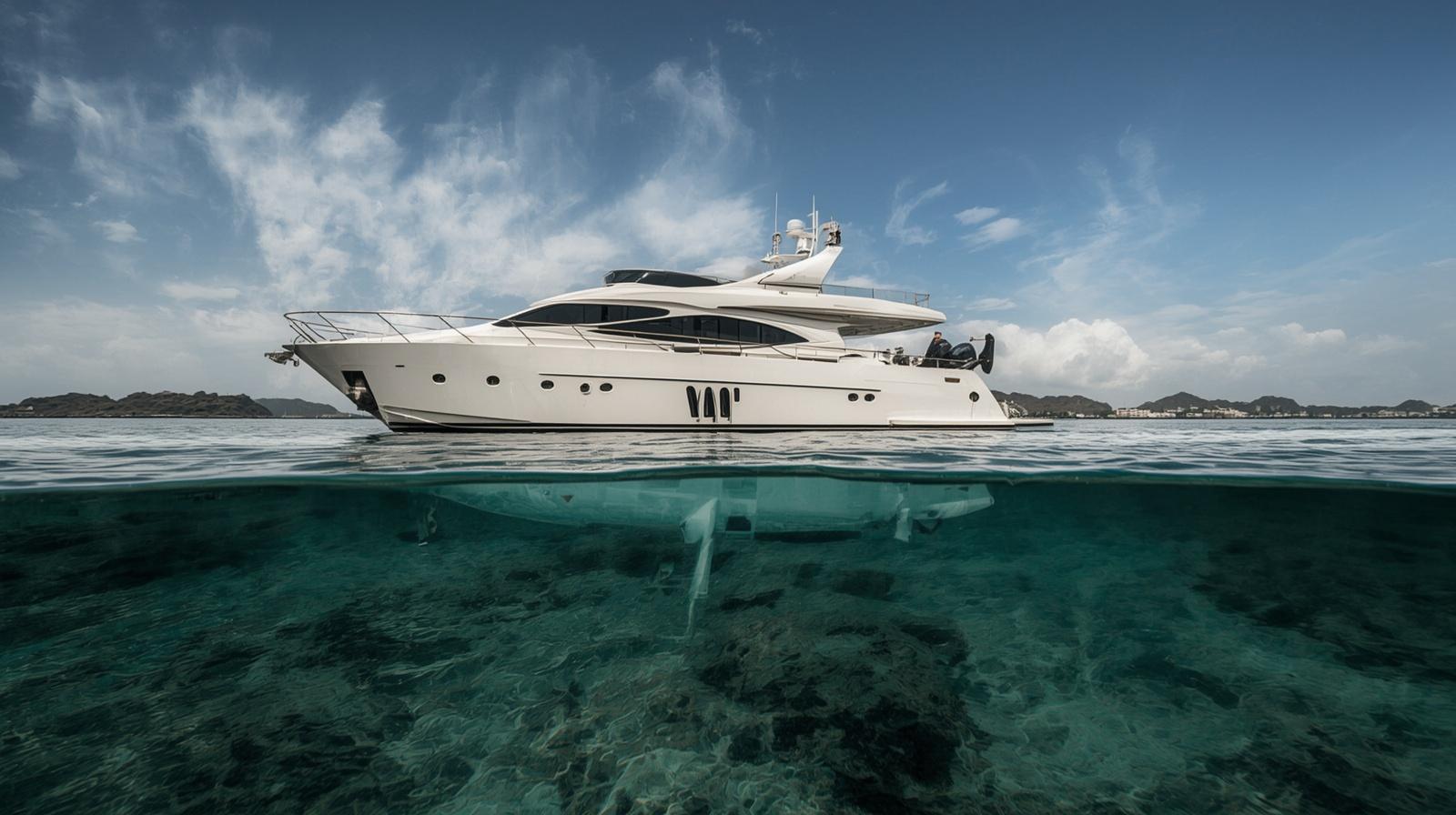
Quick Answer:Shallow vs Deep Draft Boats Explained
- A shallow draft boat requires less water depth to operate, making it ideal for coastal cruising, island hopping, and shallow anchorages.
- A deep draft boat extends farther below the waterline, improving offshore stability, tracking, and rough-water performance.
- Shallow draft designs provide greater marina access and route flexibility, especially in tidal or shallow-water regions.
- Deep draft designs offer better comfort and control in open seas but may face limitations in smaller harbors and coastal passages.
- Choosing the correct draft depends on cruising style, typical destinations, and the balance between accessibility and offshore capability.
One of the most common discussions I have with yacht buyers revolves around shallow draft vs deep draft boat comparison and how each design changes the cruising experience. While many owners initially focus on yacht size or onboard luxury, draft often becomes the factor that truly determines long-term satisfaction.
In real-world cruising, draft affects everything from marina access to offshore comfort. I’ve worked with clients who loved exploring shallow island anchorages and others who prioritized stable long-distance passages across open water. In both cases, selecting the correct draft was far more important than simply choosing the largest or newest model.
For buyers considering a New Yacht, understanding these differences early helps avoid costly compromises later.
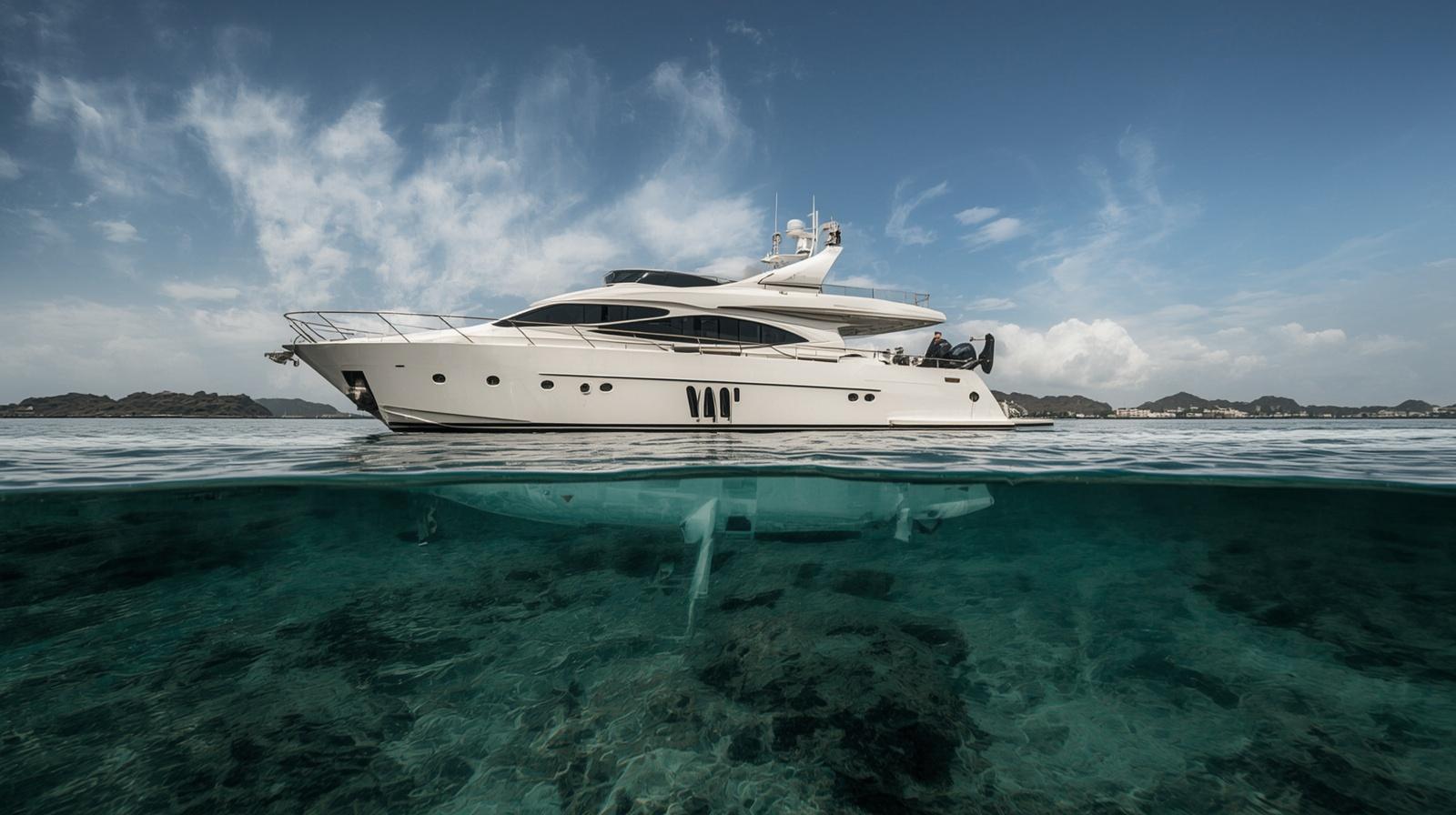
What Boat Draft Means and Why It Matters
Boat draft refers to the vertical distance between the waterline and the deepest point of the hull, usually the keel or propulsion system.
This measurement determines:
- Minimum safe operating depth
- Accessibility to marinas and anchorages
- Offshore handling characteristics
- Risk of grounding in shallow areas
From my experience in yacht brokerage, many first-time owners underestimate how dramatically draft affects daily cruising decisions. Even a modest difference in draft can change the number of accessible destinations within a cruising region.
Draft also changes slightly depending on:
- Fuel and water load
- Passenger weight
- Equipment onboard
- Sea conditions
This is why experienced captains rarely rely solely on brochure specifications when planning routes.
Advantages of Shallow Draft Boats for Coastal Cruising
Shallow draft boats are designed for flexibility and accessibility.
Their main advantages include:
- Easier navigation in shallow bays and coastal waters
- Access to secluded beaches and island anchorages
- Greater marina availability in older ports
- Reduced grounding risk in tidal regions
In cruising areas such as the Bahamas, parts of Southeast Asia, or Mediterranean coastal villages, shallow draft designs offer a major operational advantage. I’ve seen owners anchor much closer to beaches and explore areas completely inaccessible to deeper-keel yachts.
Shallow draft also benefits casual cruisers who prioritize relaxed coastal exploration over offshore performance.
Benefits of Deep Draft Boats for Offshore Stability
Deep draft boats are optimized for offshore confidence and open-water efficiency.
Their deeper keel structure typically provides:
- Improved directional stability
- Better wave penetration
- Reduced rolling motion
- Stronger upwind sailing performance
From practical experience, deeper draft yachts often feel calmer and more predictable in rough sea conditions. During longer offshore crossings, this added stability significantly improves comfort and reduces fatigue for both crew and passengers.
Many performance-oriented New Yacht designs intended for bluewater cruising intentionally favor deeper draft configurations because of these offshore advantages.
Marina Access, Anchoring, and Route Flexibility Compared
One of the clearest differences between these two designs appears when planning routes and selecting marinas.
Shallow draft yachts generally enjoy:
- Wider marina compatibility
- Easier anchoring near shore
- Access to narrower channels
- Greater tidal flexibility
Deep draft yachts may require:
- Careful tide calculations
- Dredged marina entrances
- Greater anchor depth
- Restricted access in shallow regions
I’ve advised owners who discovered after purchase that certain dream destinations became difficult or impossible to access due to excessive draft. Route flexibility is often underestimated until real cruising begins.
Performance Differences in Rough Seas and Open Water
When you start leaving sheltered waters, draft differences become very noticeable.
Deep draft boats excel in rough seas:
- Their extended keel improves tracking and reduces leeway.
- Rolling and pitching are significantly minimized, which enhances passenger comfort.
- Upwind performance is stronger, making longer passages more efficient.
Shallow draft boats are more limited offshore:
- They may experience increased rolling and lateral drift.
- Strong winds and high seas can challenge directional control.
- Planning offshore routes often requires extra caution and experience.
In my experience, sailors who primarily stay in coastal or island areas rarely require deep draft advantages, but anyone planning open-water passages will feel the benefits immediately.
Choosing the Right Draft Based on Your Cruising Lifestyle
Selecting the appropriate draft should reflect your cruising goals rather than aesthetics or brand appeal. Key considerations include:
- Typical cruising grounds: shallow bays versus open ocean routes.
- Marina and anchorage availability in your preferred regions.
- Frequency of offshore passages and expected sea conditions.
- Your comfort level with managing a vessel’s stability and maneuverability.
I often tell clients that the “perfect draft” balances accessibility and offshore capability. For instance, some New Yacht designs incorporate lifting keels or retractable centerboards to give owners flexibility in both shallow and deep waters—a compromise that works well for mixed cruising styles.
Conclusion
Choosing between a shallow draft and deep draft boat requires understanding your cruising priorities. Shallow drafts maximize access and flexibility near shorelines, while deep drafts improve offshore stability and comfort. Matching draft to your typical cruising environment ensures safe, enjoyable, and stress-free yachting.
FAQ
Q1: What is considered a shallow draft boat?
A1: Shallow draft boats generally have a draft under 4 feet, allowing access to most coastal waters, bays, and shallow anchorages, making them ideal for island hopping and coastal cruising.
Q2: Are deep draft boats safer offshore?
A2: Yes, deeper drafts improve stability in rough seas and reduce rolling, providing better performance and comfort during offshore passages, especially in bluewater cruising conditions.
Q3: Which draft is better for island cruising?
A3: Shallow draft boats are preferable for island cruising because they allow access to shallow anchorages and tight coastal areas that deep draft vessels cannot reach.