
In real estate marketing, first impressions matter. Before a buyer reads the full property description, checks the floor plan, or contacts an agent, they usually look at the visuals first. A strong image can make someone stop scrolling, open a listing, or save a property for later.
For real estate agents, property managers, and small brokerage teams, this creates a constant need for visual content. A single property may need listing photos, social media posts, open house flyers, blog images, email graphics, neighborhood guide visuals, and sometimes even short promotional videos.
The challenge is that not every team has a designer or photographer available for every small marketing task. Professional photography is still important for actual property listings, but many daily marketing assets do not always require a full design process. Agents often just need clean, attractive visuals to support content around home buying tips, local market updates, rental advice, moving guides, or open house announcements.
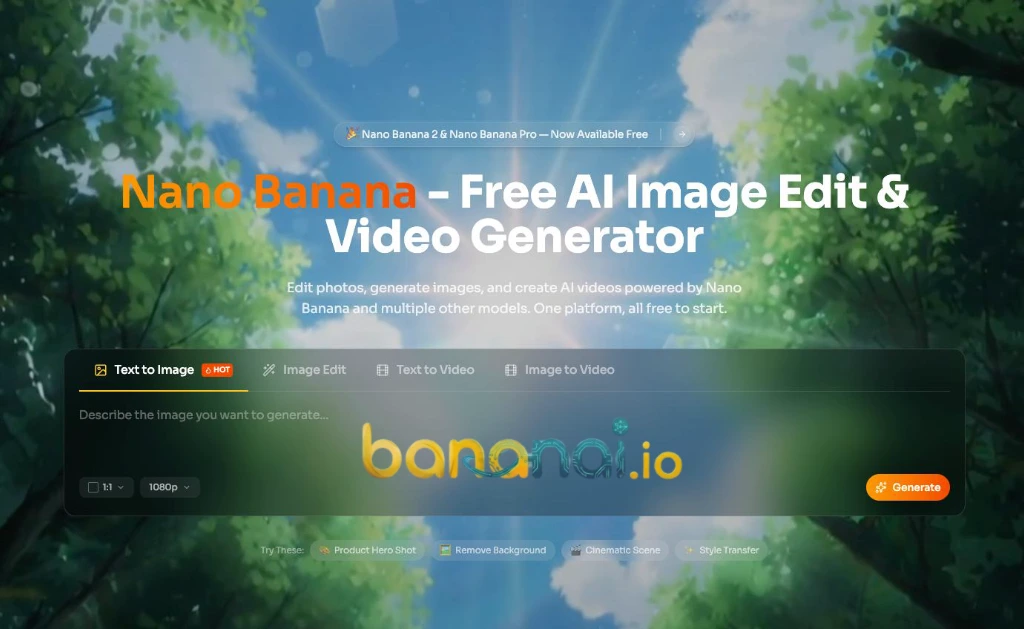
This is where AI visual tools can be useful. Instead of spending hours searching for stock photos or creating simple graphics from scratch, real estate marketers can use tools like nano banana to quickly generate and edit visual assets for different marketing needs.
For example, an agent writing a blog post about “How to prepare your home for sale” may need a warm, clean image of a staged living room. A property manager promoting rental tips may need simple visuals for social media. A brokerage preparing a neighborhood guide may need lifestyle images that match the feeling of the local area. In these cases, AI-generated visuals can help create useful supporting content faster.
Another practical use case is creating multiple versions of the same marketing idea. A real estate team might test different styles for a Facebook ad, such as a modern apartment look, a cozy family home style, or a luxury property mood. With an AI image generator, they can quickly explore different visual directions before deciding which one fits the campaign best.
AI tools can also help with image editing tasks. Removing a background, improving image resolution, changing the visual style, or creating a short AI video can save time when preparing content for websites, newsletters, and social media. This is especially helpful for small real estate teams that need to publish often but do not have a full creative department.
Of course, AI should be used responsibly in real estate. Actual property photos should not be misleading or edited in a way that changes the real condition of a home. But for educational content, general marketing graphics, blog covers, social posts, and campaign visuals, AI can be a practical way to improve speed and consistency.
The biggest value is not simply making attractive images. The real value is helping real estate professionals communicate faster. When agents can turn ideas into usable visuals quickly, they can publish more helpful content, test more campaigns, and stay more visible to potential buyers and sellers.
For an industry where trust, timing, and presentation all matter, AI visual creation can become a useful part of the modern real estate marketing workflow.