
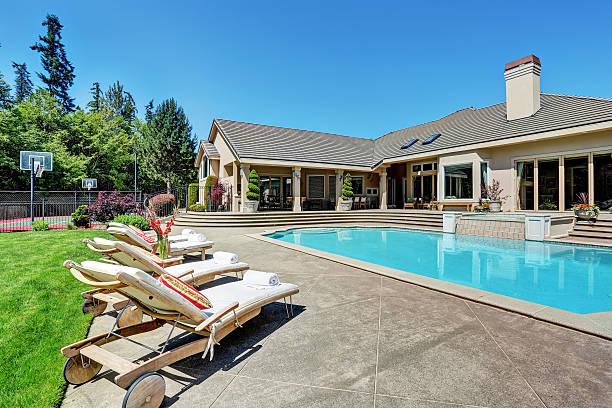
When looking to improve your backyard, the terminology can sometimes be confusing. Many people use terms like coating and resurfacing interchangeably, but they refer to different processes. Modern outdoor spaces often combine custom pool construction with practical upgrades that improve comfort, efficiency, and long-term durability, and choosing the right method depends on your deck's condition.
Defining the Scope of Pool Deck Resurfacing
Resurfacing is a more comprehensive process than simply applying a coat of paint. It involves adding a new layer of material—usually a cementitious overlay—over the existing concrete. This method is ideal for fixing minor damage, leveling uneven spots, or completely changing the texture and appearance of the ground surrounding your pool.
When to Choose a Coating
A coating is typically a thinner product, like an acrylic sealer or a specialized concrete paint. It is best used when the underlying concrete is in excellent structural condition and only needs a fresh color or a new layer of protection. Coatings are great for routine maintenance but won't hide significant cracks or surface flaws.
Structural vs. Cosmetic Improvements
The main difference lies in the thickness and composition of the material. Resurfacing adds a structural layer that can be stamped or textured, whereas a coating is primarily cosmetic. If your goal is to change the shape of the texture or fix "spalling" (where the top layer of concrete flakes off), resurfacing is the necessary route.
Comparison of Cost and Labor
Because resurfacing involves more material and more intensive preparation, it generally costs more than a simple coating. However, the results are much more dramatic and long-lasting. Coating is a faster, more budget-friendly option for homeowners who just want to refresh the look of a deck that is already in good shape.
The Versatility of Pool Deck Resurfacing
For those who want a total transformation, resurfacing offers endless design possibilities. You can achieve the look of stone, tile, or wood using various stamping techniques. pool deck resurfacing is also commonly used to refresh worn surfaces, improve safety, and enhance the overall appearance of the surrounding area.
Durability and Protection
Both methods provide protection against the elements, but a resurfaced deck generally offers a thicker shield against wear and tear. This is particularly beneficial in high-traffic areas or environments where the pool chemicals might otherwise degrade the concrete. The added thickness helps absorb impact and resist the heavy usage of a busy backyard.
Integration with Spa Construction
If your project includes spa construction that creates a more relaxing environment, you want the surrounding deck to match perfectly. Resurfacing allows you to create a unified look across different sections of your outdoor space, ensuring that the new spa and the old pool area look like they were built at the same time.
Modern Features for Your Pool Area
Beyond the surface, many homeowners are looking for ways to make their pools more efficient. Features such as pool heater installation and pool automation systems can help simplify maintenance while improving temperature control, lighting, and water circulation. These systems ensure that your newly finished deck is part of a high-tech, modern oasis.
Slip Resistance and Safety
One of the major benefits of choosing a resurfacing overlay is the ability to customize the grip. You can choose a "knockdown" texture or an orange-peel finish that provides excellent traction. This is a significant upgrade over old, smooth concrete or thin coatings that can become very slippery when they get wet from splashes.
Maintenance Considerations
Maintaining a resurfaced deck is relatively simple, but it does require periodic sealing to keep the colors vibrant. Coatings may need to be reapplied more frequently than a full resurfacing overlay. Understanding these long-term maintenance needs will help you decide which method fits your lifestyle and your vision for your home's outdoor living space.
Conclusion
Whether you need a full resurfacing or just a fresh coating depends on the current state of your concrete and your design goals. Resurfacing offers a more durable and transformative solution, while coating is perfect for a quick aesthetic touch-up. Both options will help protect your investment and keep your pool area looking its best.