
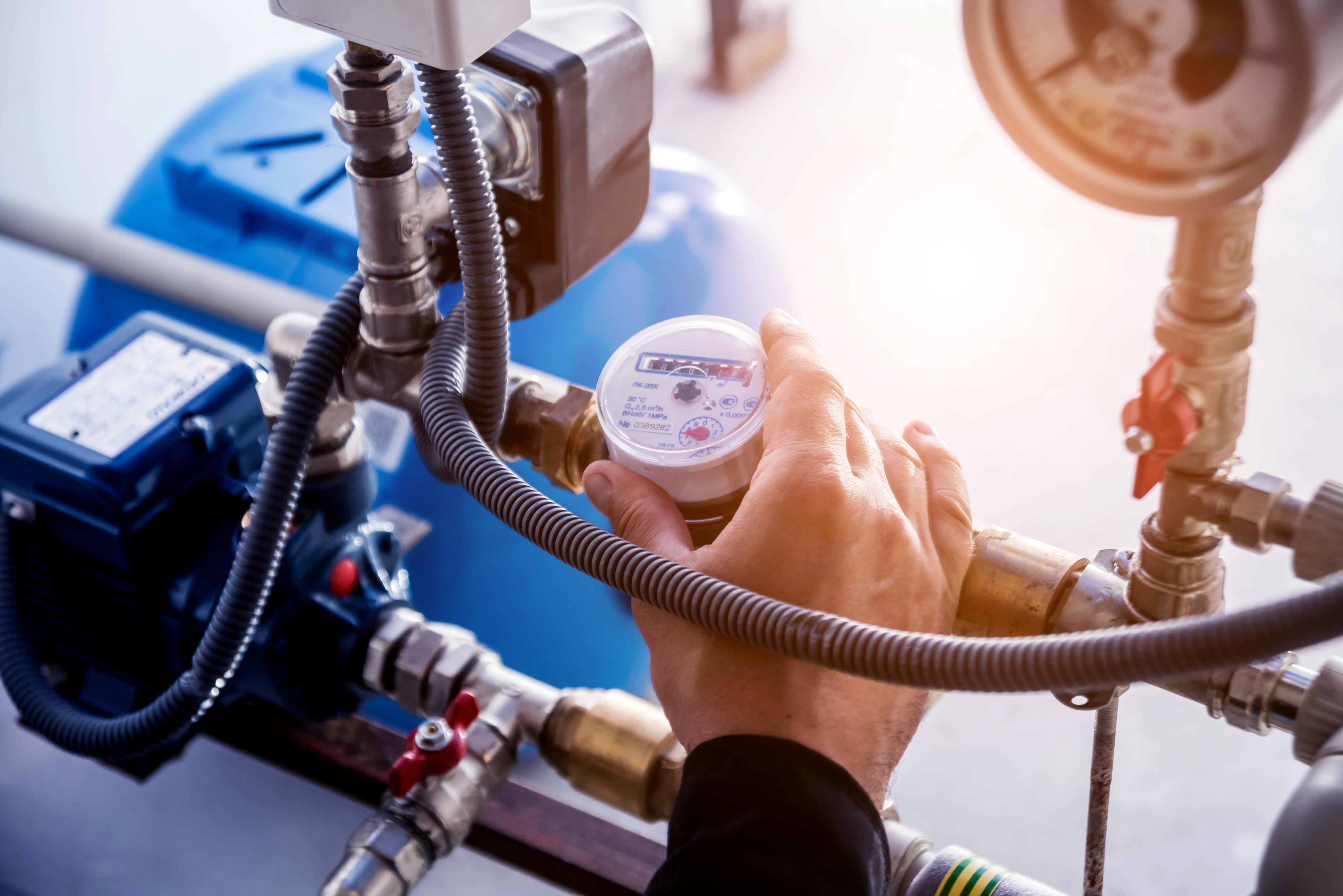
Water is one of the most important natural resources for human survival, yet it is often wasted due to poor monitoring and inefficient management systems. As urban populations continue to grow and water demand increases, cities and industries are searching for smarter ways to manage water consumption. One of the most effective solutions is the use of smart water meters.
Traditional water meters only provide basic usage readings and usually require manual monitoring. In contrast, smart water meters use advanced digital technology to provide real-time data, accurate measurements, and automated monitoring. These systems are transforming the way water is managed in homes, businesses, industries, and cities.
What Are Smart Water Meters?
Smart water meters are digital devices designed to measure and monitor water consumption automatically. Unlike traditional mechanical meters, these advanced systems can transmit water usage data directly to utility providers and users through wireless communication networks.
They are often connected with technologies such as IoT, cloud computing, and data analytics to provide real-time insights into water consumption patterns.
These meters help both consumers and authorities understand how water is being used and identify areas where wastage can be reduced.
How Smart Water Meters Work
Smart water meters collect data continuously through built-in sensors. The collected information is transmitted through communication technologies such as Wi-Fi, cellular networks, or radio frequency systems.
The data is then stored and analyzed on cloud platforms or utility management systems. Users and water providers can access this information through dashboards, mobile apps, or web portals.
The system can also generate alerts for unusual water usage, leaks, or pipeline issues, helping users take immediate action.
Why Efficient Water Usage Matters
Water scarcity is becoming a major global challenge. Many cities face problems such as:
- Growing water demand
- Aging water infrastructure
- Water leakage and wastage
- Climate change impacts
- Unequal water distribution
Efficient water usage is essential to ensure that future generations have access to clean and safe water. Smart water meters play a critical role in achieving this goal by improving monitoring and reducing unnecessary consumption.
Benefits of Smart Water Meters
1. Real-Time Water Monitoring
One of the biggest advantages of smart water meters is real-time monitoring. Users can track their water consumption instantly instead of waiting for monthly bills.
This helps households and businesses understand their usage habits and make better decisions to conserve water.
2. Leak Detection
Water leaks are one of the main causes of water loss in cities and buildings. Smart meters can quickly identify unusual water flow patterns and send alerts when leaks are detected.
Early leak detection helps prevent water wastage, property damage, and high repair costs.
3. Accurate Billing
Traditional meters may sometimes lead to inaccurate readings due to manual errors. Smart water meters automatically record usage data, ensuring accurate and transparent billing.
Consumers only pay for the exact amount of water they use.
4. Reduced Water Wastage
By providing real-time usage insights, smart water meters encourage people to use water more responsibly. Users become more aware of their consumption patterns and can reduce unnecessary usage.
5. Better Utility Management
Water utility providers can monitor the entire distribution network more efficiently. They can identify high-consumption areas, detect system failures, and improve water distribution planning.
6. Lower Operational Costs
Automated data collection reduces the need for manual meter readings and inspections. This helps utility companies save time and operational costs.
7. Environmental Sustainability
Efficient water usage supports environmental sustainability by conserving natural water resources and reducing energy consumption associated with water treatment and distribution.
Applications of Smart Water Meters
Smart water meters are used in different sectors to improve water management.
Residential Buildings
Homeowners use smart meters to monitor daily water usage and detect leaks early.
Commercial Properties
Businesses use smart meters to manage water consumption and reduce operational costs.
Industrial Facilities
Industries monitor large-scale water usage to improve efficiency and comply with environmental regulations.
Smart Cities
Cities integrate smart water meters into urban infrastructure to optimize water distribution and reduce losses.
Challenges in Adopting Smart Water Meters
Although smart water meters offer many benefits, there are still some challenges in implementation.
High Initial Cost
Installing smart meters and communication systems requires significant investment.
Data Security Concerns
Since smart meters transmit digital data, cybersecurity measures are necessary to protect user information.
Infrastructure Limitations
Older water systems may require upgrades to support smart technologies.
Technical Maintenance
Smart systems require regular maintenance and technical support to ensure proper functioning.
Despite these challenges, the long-term benefits make smart water meters a valuable investment for modern water management.
Future of Smart Water Metering
The future of water management is becoming more intelligent and connected. Smart water meters will continue to evolve with technologies such as artificial intelligence, machine learning, and advanced analytics.
Future systems may automatically predict water demand, detect hidden leaks before they become serious, and optimize distribution in real time.
As smart city initiatives grow worldwide, smart water meters will become an essential part of urban infrastructure.
Why Cities and Businesses Must Act Now
Water conservation is becoming more important every year. Cities and businesses that continue using outdated monitoring systems may face increased water loss, higher operational costs, and inefficient resource management.
By adopting smart water meters today, organizations can improve efficiency, reduce wastage, and support sustainable development goals.
Final Thoughts
Smart water meters are transforming the way water is monitored and managed. With real-time tracking, leak detection, accurate billing, and automated monitoring, these systems provide a smarter and more efficient approach to water usage.
As water demand continues to rise globally, investing in smart technologies will be essential for creating sustainable communities and protecting valuable water resources for the future.