
For those exploring options to support metabolic health or appetite regulation, glucagon-like peptide-1 supplement products have become a topic of interest. Understanding the real cost and accessibility of these supplements can help consumers make informed choices without falling for overhyped promises or unexpected expenses. This article dives into key factors influencing pricing, availability, and quality considerations surrounding glucagon-like peptide-1 supplements.
What Is a Glucagon-Like Peptide-1 Supplement?
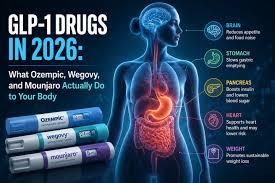
Glucagon-like peptide-1, commonly abbreviated as GLP-1, is a naturally occurring hormone involved in insulin secretion and appetite control. Supplements related to GLP-1 usually aim to mimic or support its effects to potentially aid in blood sugar management and satiety. However, the market includes various types, from peptide-based injections to oral supplements claiming to influence GLP-1 pathways. It is important to differentiate between pharmaceutical GLP-1 receptor agonists, which are prescription medications, and dietary supplements that may support GLP-1 function without requiring a prescription.
Cost Factors Influencing GLP-1 Supplement Prices
Pricing of glucagon-like peptide-1 supplements varies widely due to several factors. Prescription GLP-1 receptor agonists, like semaglutide or liraglutide, often come with high costs, reflecting pharmaceutical research, regulatory approval, and manufacturing complexity. Meanwhile, over-the-counter supplements that claim to boost GLP-1 naturally tend to be more affordable but vary significantly in ingredient quality, dosage, and scientific backing.
Production complexity plays a role; peptide compounds require specialized synthesis and cold-chain storage, increasing costs. Conversely, natural extracts or amino acid blends targeting GLP-1 pathways can be produced at scale more economically. Brand reputation, third-party testing, and transparency about ingredients also influence pricing, with premium products charging more for quality assurance.
Accessibility Challenges and Availability
Access to glucagon-like peptide-1 supplements depends on product type and regulatory status. Prescription GLP-1 agonists require a healthcare provider's approval and are subject to insurance coverage variability, often making them less accessible to some consumers. Over-the-counter supplements can be purchased online or in health stores but often lack standardized dosing and regulatory oversight, creating uncertainty about efficacy and safety.
Geographic location affects availability; some areas have better pharmacy access, while others depend more on online retailers. Consumers should also consider shipping restrictions, import regulations, and product authenticity when purchasing GLP-1 supplements from international sources.
Evaluating Quality and Efficacy: A Practical Framework
When considering a glucagon-like peptide-1 supplement, it helps to apply a practical evaluation framework focusing on safety, transparency, and evidence.
First, verify whether the product provides a clear ingredient list with standardized dosages. Transparency about sourcing and manufacturing processes is a positive sign. Look for third-party lab testing or certifications ensuring purity and absence of contaminants.
Second, assess scientific support. Reliable supplements will reference clinical studies or credible research backing their formulations. Be wary of products making extraordinary claims without evidence.
Third, consider the form and delivery method. Injectable peptides require medical supervision and cold storage, while oral supplements vary in bioavailability. Understand these differences to match your preferences and lifestyle.
Lastly, factor in cost relative to potential benefit and your budget. Expensive does not always mean better, but unusually cheap products might compromise on quality.
For a detailed comparison of supplements designed to influence GLP-1 pathways, this FormBlends breakdown offers a helpful, research-based overview.
Balancing Cost, Access, and Personal Goals
Choosing a glucagon-like peptide-1 supplement involves balancing cost, access, and personal health goals. Prescription peptides may offer precise dosing and clinical backing, but they can be costly and less accessible without insurance. Over-the-counter supplements provide easier access and affordability but come with less regulatory oversight.
Consumers should weigh their priorities carefully. Consulting healthcare professionals can clarify whether a GLP-1-related product fits into an overall wellness plan. Considering lifestyle, budget constraints, and desired outcomes will also guide better decision-making.
Short FAQ
What is the difference between GLP-1 supplements and prescription GLP-1 medications?
Prescription GLP-1 medications are pharmaceutical agents approved to treat specific conditions under medical supervision. GLP-1 supplements typically consist of natural ingredients or peptides sold over the counter, aiming to support GLP-1 activity without requiring prescriptions.
Are glucagon-like peptide-1 supplements safe to use?
Safety depends on product quality, dosage, and individual health conditions. Supplements with transparent labeling and third-party testing reduce risks, but it is advisable to consult a healthcare provider before starting any new supplement regimen.
How can I tell if a GLP-1 supplement is effective?
Look for scientific evidence supporting the ingredients and formulations. Verified clinical studies, clear dosing information, and credible manufacturer reputation are key indicators. User reviews and expert opinions can also offer practical insights.
Final Note
This article provides informational content based on current market observations and research. It does not substitute professional medical advice. Always consult a healthcare provider before beginning any new supplement or treatment.