
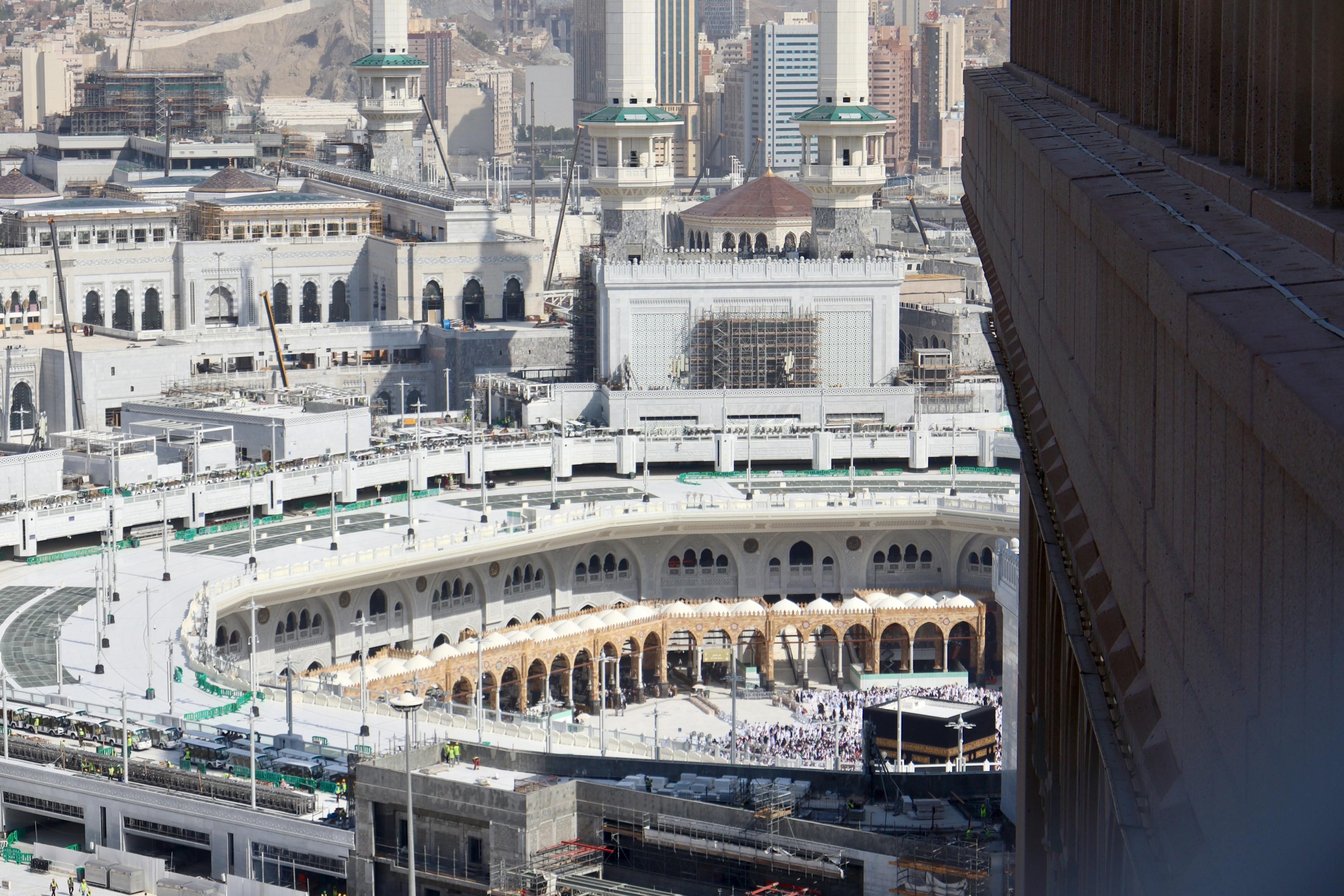
Hajj is one of the most sacred acts of worship in Islam and a lifelong dream for millions of Muslims worldwide. Every year, pilgrims travel to the holy city of Mecca to fulfill this important religious obligation. For first-time pilgrims, understanding the rituals, preparations, and spiritual significance of Hajj can feel overwhelming. This complete beginner’s guide to the Hajj pilgrimage explains the essential steps, requirements, and practical tips to help make the journey smoother and more meaningful.
What Is Hajj and Why Is It Important?
Hajj is the fifth pillar of Islam and is mandatory for every financially and physically capable Muslim at least once in their lifetime. The pilgrimage takes place annually during the Islamic month of Dhul Hijjah and brings together Muslims from all backgrounds in an act of unity, devotion, and submission to Allah.
The rituals of Hajj commemorate the faith and sacrifices of Prophet Ibrahim (AS), his wife Hajar, and their son Ismail (AS). Pilgrims perform a series of acts that symbolize patience, obedience, humility, and spiritual renewal.
Preparing for Hajj Pilgrimage
Spiritual Preparation
Before beginning the journey, pilgrims should focus on spiritual readiness. This includes sincere repentance, strengthening daily prayers, reading the Quran, and learning the meaning behind each Hajj ritual. Many scholars recommend studying the pilgrimage beforehand to avoid confusion during the journey.
Pilgrims should also purify their intentions and remember that Hajj is not simply a physical trip but a deeply spiritual experience.
Financial and Physical Preparation
Hajj can be physically demanding because pilgrims spend long hours walking and standing in crowded areas. Preparing physically through light exercise and maintaining good health can make the experience easier.
Financial preparation is equally important. Pilgrims should ensure that their Hajj expenses come from halal earnings and plan a realistic budget for travel, accommodation, food, and other necessities.
Essential Documents and Travel Arrangements
Travelers should arrange their passport, visa, vaccination certificates, and travel insurance well in advance. Many pilgrims choose authorized Hajj travel operators to manage accommodation and transportation.
It is also helpful to pack modest, comfortable clothing, personal hygiene products, medications, prayer essentials, and lightweight walking shoes.
Key Rituals in a Complete Beginner’s Guide to Hajj Pilgrimage
Entering the State of Ihram
The pilgrimage begins with entering the sacred state of Ihram. Male pilgrims wear two white unstitched cloths, while women dress modestly according to Islamic guidelines.
In Ihram, pilgrims make the intention for Hajj and recite the Talbiyah:
“Labbayk Allahumma Labbayk”
This declaration reflects complete devotion and obedience to Allah.
Tawaf Around the Kaaba
Pilgrims perform Tawaf by circling the Kaaba seven times in a counterclockwise direction. This act symbolizes the unity of believers worshipping one God.
The atmosphere during Tawaf is powerful and emotional, as millions of Muslims from different cultures gather in one place with the same purpose.
Sa’i Between Safa and Marwah
Sa’i involves walking seven times between the hills of Safa and Marwah. This ritual honors Hajar’s struggle as she searched for water for her son Ismail.
It teaches pilgrims about faith, perseverance, and trust in Allah during difficult times.
Standing at Arafat
The Day of Arafat is considered the most important part of Hajj. Pilgrims gather at the plain of Mount Arafat to pray, seek forgiveness, and make sincere supplications.
Many Muslims describe this day as the emotional peak of their Hajj journey because it reminds them of the Day of Judgment and the mercy of Allah.
Muzdalifah and Stoning the Jamarat
After sunset, pilgrims travel to Muzdalifah, where they collect pebbles for the ritual of stoning the Jamarat. The next day, pilgrims throw pebbles at three pillars representing the rejection of Satan’s temptations.
This ritual symbolizes resisting evil and remaining firm in faith.
Animal Sacrifice and Eid al-Adha
Pilgrims who perform Hajj also participate in the sacrifice associated with Eid al-Adha. The act commemorates Prophet Ibrahim’s willingness to sacrifice his son in obedience to Allah.
The meat from the sacrifice is often distributed to people in need, emphasizing compassion and generosity.
Practical Tips for First-Time Pilgrims
Stay Hydrated and Rested
The weather in Saudi Arabia can be extremely hot, especially during the summer months. Pilgrims should drink plenty of water, rest whenever possible, and avoid overexertion.
Follow Group Instructions
Traveling with a guided Hajj group can help beginners navigate the crowded pilgrimage sites more easily. Listening carefully to group leaders and staying connected with fellow pilgrims can reduce stress and confusion.
Practice Patience and Kindness
Large crowds and long waiting times are common during Hajj. Patience, respect, and kindness toward others are essential parts of the spiritual journey.
Pilgrims should remember that Hajj is not only about completing rituals but also about improving character and strengthening faith.
The Spiritual Impact of Hajj
One of the greatest benefits of Hajj is spiritual transformation. Many pilgrims return home feeling renewed, grateful, and more connected to their faith. The experience encourages self-reflection, humility, and a stronger commitment to Islamic values.
Hajj also reminds Muslims of equality and unity. Regardless of nationality, wealth, or status, all pilgrims stand side by side in worship.
Conclusion
This complete beginner’s guide to the Hajj pilgrimage highlights the spiritual importance, essential rituals, and practical preparations involved in this sacred journey. From entering Ihram to standing at Arafat, every step of Hajj carries deep meaning and teaches valuable lessons about faith, patience, and devotion.
Starting your Hajj journey can feel overwhelming when you are learning about rituals, preparation, and spiritual responsibilities for the first time. A clear beginner’s guide helps pilgrims understand every stage of the sacred pilgrimage with confidence and peace of mind. Reliable travel experts and experienced Hajj service providers can also offer valuable guidance, trusted information, and practical support to make the Hajj experience smoother and more comfortable for first-time pilgrims.