
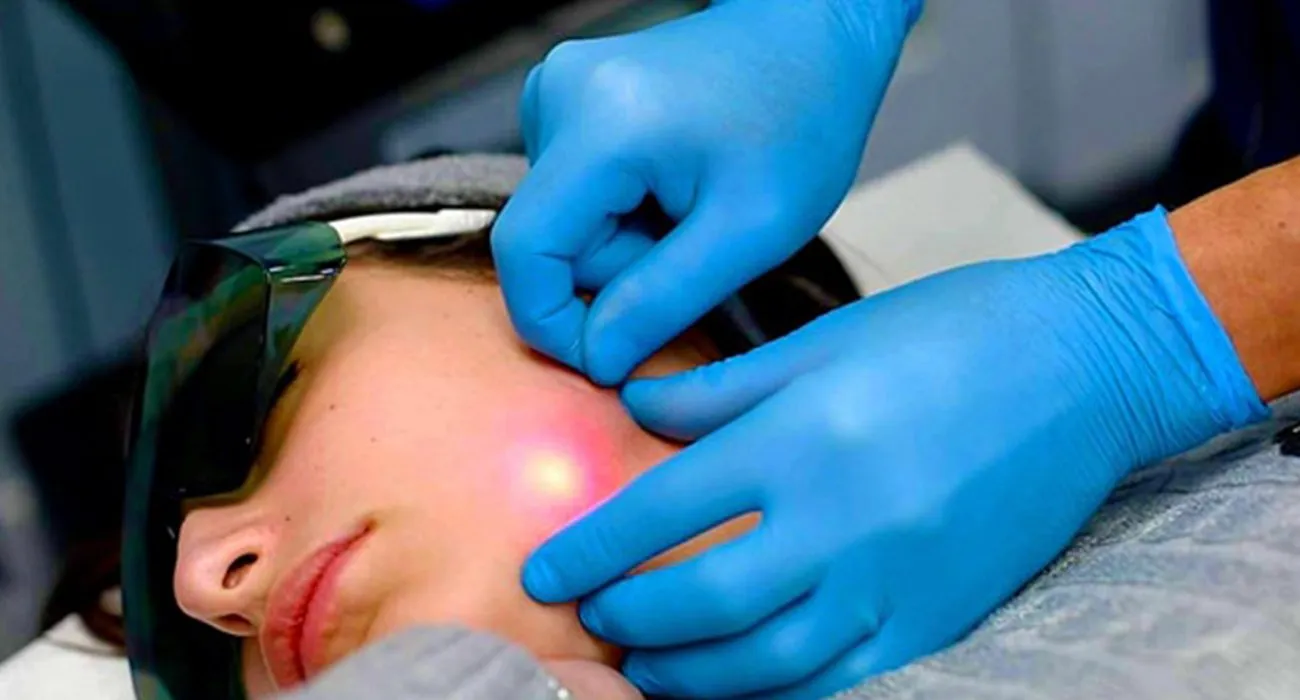
Skin tightening and facial contouring treatments have evolved rapidly, offering non-surgical solutions for lifting, firming, and rejuvenating the skin without downtime-heavy procedures. Among the most discussed options today are RF microneedling and advanced laser-based lifting technologies. Both target skin laxity, texture concerns, and early signs of aging, but they work in fundamentally different ways and deliver different levels of structural change. Choosing between them depends on skin condition, depth of aging, and desired outcomes, especially when patients are seeking long-term firmness versus surface refinement. In modern aesthetic practice, technologies like Endolift in Dubai are often compared with RF microneedling because both aim to stimulate collagen while improving skin architecture, yet their depth of action and results vary significantly.
Understanding RF Microneedling and How It Works
RF microneedling combines two established technologies: controlled micro-injuries and radiofrequency energy. Tiny needles create microchannels in the skin while delivering heat into the dermis. This controlled thermal injury triggers a healing response that increases collagen and elastin production over time.
The primary strength of RF microneedling lies in its ability to improve surface-level concerns such as fine lines, acne scars, enlarged pores, and mild skin laxity. It is particularly effective for individuals who want smoother texture and subtle tightening without aggressive intervention.
Unlike deeper lifting methods, RF microneedling primarily focuses on the superficial and mid-dermal layers. This makes it a strong option for early aging signs but less impactful for significant sagging or deeper structural laxity.
Understanding Endolift and Its Mechanism
Endolift is a minimally invasive laser-based treatment that works beneath the skin’s surface. It uses a fine fiber optic laser to target deeper layers, stimulating collagen while also creating controlled tissue contraction. Unlike surface treatments, it works in the subdermal layer where structural laxity begins.
The treatment focuses on remodeling deeper skin tissues and may also influence small fat compartments, contributing to improved facial contouring. This dual action—skin tightening and subtle fat modulation—sets it apart from many non-invasive technologies.
Because it works at a deeper level, it is often considered more suitable for moderate skin laxity and early jowling rather than purely surface concerns.
Depth of Action: Surface vs Structural Remodeling
One of the most important differences between RF microneedling and Endolift lies in penetration depth. RF microneedling primarily targets the epidermis and upper dermis, making it ideal for improving texture and superficial firmness.
In contrast, Endolift works at a deeper subdermal level, influencing connective tissue structure. This deeper stimulation leads to more noticeable lifting effects, particularly in areas such as the jawline, lower face, and neck.
This structural difference means that while RF microneedling refines the skin’s appearance, Endolift focuses on reshaping and tightening underlying support systems.
Skin Tightening and Lifting Results
RF microneedling delivers gradual tightening that becomes more visible over multiple sessions. The improvements are subtle but consistent, making it suitable for maintenance and early intervention.
Endolift, however, tends to produce more immediate and progressive lifting effects due to its deeper thermal impact. It encourages tissue contraction and collagen remodeling in a way that enhances definition in sagging areas.
For individuals seeking noticeable contour enhancement, Endolift typically provides stronger lifting outcomes compared to RF microneedling.
Fat Reduction and Facial Contouring Differences
Another key distinction is the effect on fat compartments. RF microneedling does not significantly affect fat tissue; its primary role is dermal rejuvenation.
Endolift, on the other hand, can gently influence localized fat pockets while tightening surrounding skin. This makes it particularly useful for redefining jawlines and improving lower-face contour without surgical intervention.
This added contouring benefit gives Endolift an advantage for individuals dealing with mild facial heaviness or early volume descent.
Downtime and Recovery Experience
RF microneedling is known for minimal downtime. Patients may experience temporary redness and mild sensitivity, but recovery is generally quick, allowing a fast return to daily routines.
Endolift involves a slightly more advanced recovery profile due to its deeper action. Mild swelling or tightness may occur as the tissues respond to laser energy, but these effects are typically temporary.
Despite the difference, both treatments remain non-surgical alternatives with significantly reduced downtime compared to traditional lifting procedures.
Ideal Candidates for Each Treatment
RF microneedling is best suited for individuals with early aging signs, uneven texture, acne scars, or mild skin laxity. It works well as a preventive and corrective treatment for maintaining youthful skin quality.
Endolift is more appropriate for those experiencing moderate skin laxity, early jowling, or loss of facial definition. It is often chosen by individuals who want deeper structural improvement without surgical intervention.
The selection depends on whether the primary concern is surface refinement or deeper lifting and contour restoration.
Safety and Treatment Considerations
Both RF microneedling and Endolift are considered safe when performed with appropriate technique and parameters. RF microneedling has a long-established safety profile due to its controlled micro-injury approach.
Endolift, being a deeper laser-based treatment, requires more precise targeting to ensure controlled tissue interaction. When properly performed, it supports natural collagen remodeling without compromising surrounding structures.
In both cases, gradual improvement is expected as collagen production continues over time.
Which Is More Effective Overall?
Effectiveness depends entirely on treatment goals. RF microneedling is highly effective for improving skin texture, pores, and fine lines, making it a strong choice for surface rejuvenation.
Endolift is more effective for structural lifting, contour definition, and deeper skin tightening. It provides more pronounced changes in facial architecture compared to RF microneedling.
In essence, RF microneedling excels in skin quality enhancement, while Endolift focuses on lifting and reshaping deeper tissues. Many modern approaches even consider combining both strategies for layered rejuvenation.
Book Us
For individuals seeking tailored skin tightening and facial contouring solutions, professional consultation ensures the most suitable approach based on skin condition and aesthetic goals. Treatments like Endolift offer advanced structural rejuvenation for those aiming to restore definition and firmness through modern non-surgical techniques.