
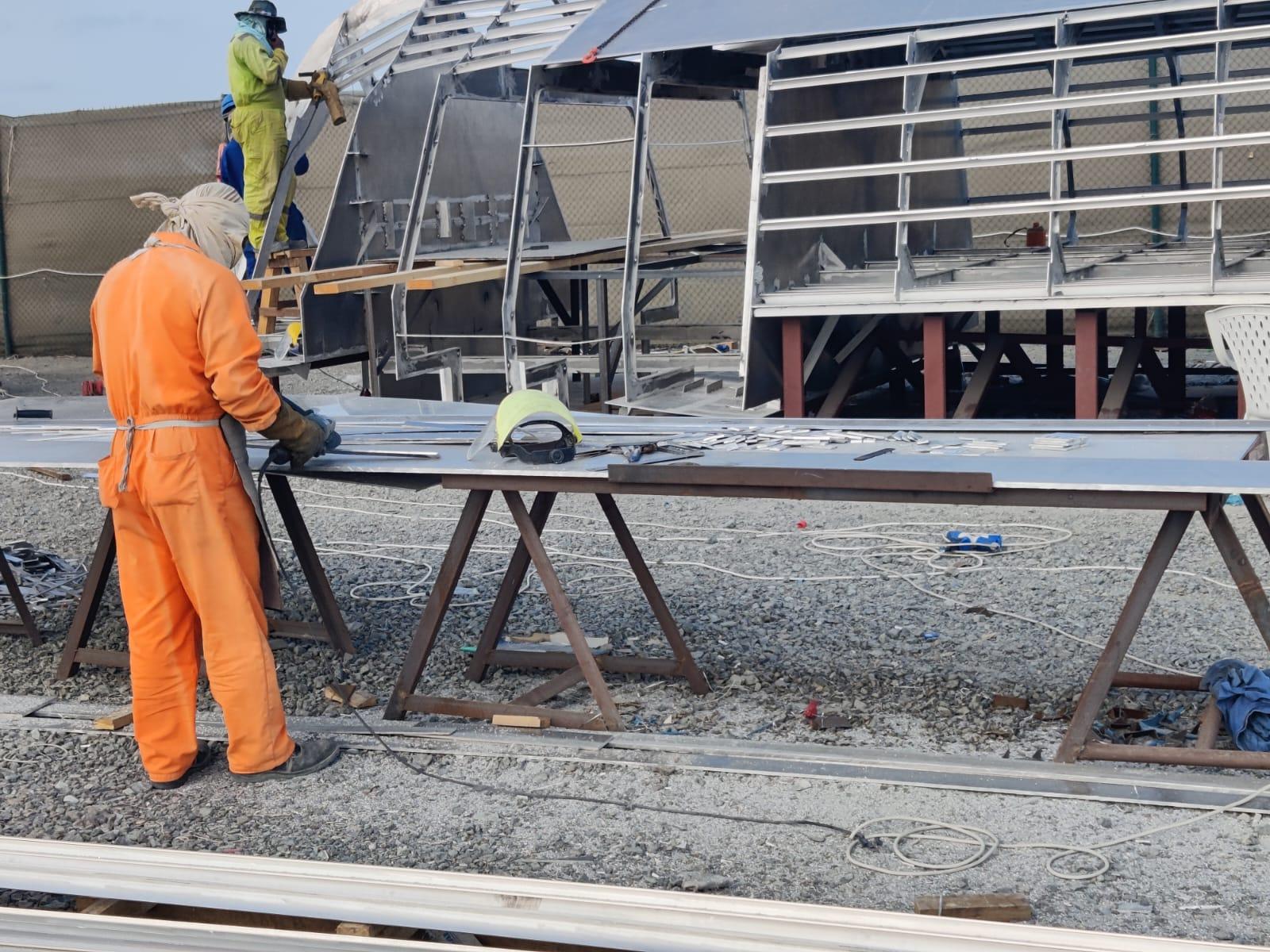
Aluminium boat building has become one of the most important innovations in the modern marine industry. As environmental concerns continue to grow, boat owners, marine operators, and governments are looking for sustainable solutions that reduce fuel consumption, lower emissions, and minimize environmental impact. Aluminium boats offer a practical answer to these challenges because they are lightweight, durable, recyclable, and highly efficient.
The global marine sector is under increasing pressure to adopt greener technologies and materials. According to the International Maritime Organization (IMO), shipping contributes nearly 3% of global greenhouse gas emissions. This has encouraged the industry to invest in vessels that support long-term sustainability goals. Companies such as VU Marine are helping promote environmentally responsible marine transportation through advanced aluminium vessel construction.
Why Sustainability Matters in the Marine Industry
Marine transportation plays a vital role in global trade, tourism, fishing, and offshore operations. However, traditional vessel construction materials can contribute to higher fuel consumption, increased maintenance requirements, and greater environmental impact.
Sustainable marine solutions focus on:
- Reducing carbon emissions
- Improving fuel efficiency
- Extending vessel lifespan
- Lowering maintenance needs
- Supporting recyclable materials
- Protecting marine ecosystems
Aluminium has emerged as one of the best materials for achieving these objectives.
Aluminium Is a Highly Recyclable Material
One of the biggest environmental advantages of aluminium is its recyclability. Unlike many materials used in manufacturing, aluminium can be recycled repeatedly without losing its quality or strength.
According to the International Aluminium Institute, approximately 75% of all aluminium ever produced is still in use today. Recycling aluminium requires up to 95% less energy than producing new aluminium from raw materials.
This provides several environmental benefits:
- Reduced energy consumption
- Lower industrial emissions
- Less waste sent to landfills
- Conservation of natural resources
These characteristics make aluminium an ideal choice for sustainable vessel construction.
Lightweight Design Improves Fuel Efficiency
A key reason why aluminium boats are considered environmentally friendly is their lightweight construction.
Compared to steel, aluminium is approximately 30–40% lighter while maintaining excellent structural strength. A lighter vessel requires less engine power to move through the water, resulting in lower fuel consumption.
Industry studies suggest that lightweight marine vessels can reduce fuel usage by 15% to 25% depending on vessel type and operating conditions.
Lower fuel consumption leads to:
- Reduced carbon dioxide emissions
- Lower operating costs
- Improved vessel performance
- Enhanced energy efficiency
These benefits contribute significantly to sustainable marine transportation.
The Contribution of Aluminium Boat Builders to Green Marine Transport
Modern aluminium boat builders play a crucial role in advancing sustainable marine solutions. By designing vessels that prioritize efficiency, durability, and environmental responsibility, they help operators meet evolving environmental standards.
Advanced engineering techniques allow builders to create lightweight hulls that maximize performance while minimizing resource consumption. These improvements support cleaner transportation across commercial, recreational, and government marine sectors.
As demand for environmentally friendly vessels continues to grow, skilled builders remain essential to the industry's sustainable future.
Longer Lifespan Reduces Environmental Impact
Sustainability is not only about fuel savings. It also involves reducing the resources needed throughout a vessel's lifecycle.
Aluminium naturally forms a protective oxide layer that helps resist corrosion in marine environments. This corrosion resistance allows aluminium boats to remain operational for decades with proper maintenance.
Many aluminium vessels continue operating efficiently for 30 to 40 years or more. A longer lifespan means:
- Fewer replacement vessels are required
- Less manufacturing-related resource consumption
- Reduced material waste
- Lower environmental impact over time
This long-term durability makes aluminium a highly sustainable construction material.
Lower Maintenance Requirements
Maintenance activities often involve paints, coatings, replacement parts, and chemical treatments that can affect the environment.
Because aluminium resists rust and corrosion, maintenance requirements are generally lower than those of many traditional vessel materials.
Benefits include:
- Reduced use of chemical treatments
- Lower paint consumption
- Fewer replacement components
- Reduced maintenance-related emissions
Over the life of a vessel, these reductions contribute significantly to environmental sustainability.
How Aluminium Boats Manufacturers Support Eco-Friendly Operations
Today's aluminium boats manufacturers are increasingly focused on producing vessels that meet modern environmental standards. Advanced manufacturing techniques help reduce material waste while improving production efficiency.
Many manufacturers also incorporate recycled aluminium into their production processes, further reducing energy consumption and carbon emissions.
These efforts help create vessels that deliver both economic and environmental benefits while supporting the industry's transition toward greener marine transportation.
Improved Operational Efficiency
Aluminium boats offer excellent operational performance because of their lightweight construction.
Advantages include:
- Higher speed capabilities
- Better maneuverability
- Increased payload capacity
- Improved fuel economy
- Greater operational flexibility
For commercial operators, these benefits mean more efficient transportation with fewer emissions per journey.
This efficiency makes aluminium vessels suitable for passenger transport, offshore support, patrol operations, tourism, and marine service applications.
Supporting Future Green Technologies
The future of marine transportation will rely heavily on cleaner propulsion systems and alternative energy sources.
Aluminium is particularly well suited for:
- Electric boats
- Hybrid vessels
- Solar-assisted marine systems
- Hydrogen-powered vessels
Because electric and hybrid vessels depend heavily on weight reduction, aluminium provides a major advantage by improving energy efficiency and extending operational range.
As clean marine technologies continue to evolve, aluminium vessels are expected to play an increasingly important role.
The Role of a Boat Building Company in Sustainable Development
Every modern boat building company has a responsibility to support environmental goals through innovative vessel design and responsible manufacturing practices.
Sustainable boat construction involves:
- Using recyclable materials
- Reducing manufacturing waste
- Improving vessel efficiency
- Supporting cleaner propulsion systems
- Extending product lifespan
These practices help create marine transportation systems that are more environmentally responsible and economically sustainable.
Reduced Environmental Impact During Manufacturing
Although primary aluminium production requires energy, modern manufacturing processes have become significantly more efficient.
Many facilities now use:
- Renewable energy sources
- Advanced recycling systems
- Energy-efficient production technologies
- Waste reduction programs
When considering the entire lifecycle of a vessel, aluminium often delivers a lower overall environmental footprint due to its recyclability, durability, and fuel-saving capabilities.
Innovation and the Future of Sustainable Boat Construction
Continuous innovation is helping improve the sustainability of aluminium vessel construction.
Modern technologies include:
- Computer-aided vessel design
- Precision welding systems
- Lightweight structural engineering
- Advanced hull optimization
- Integration of clean propulsion technologies
An experienced aluminium boat builder company can use these innovations to create vessels that maximize performance while minimizing environmental impact.
Companies like VU Marine continue supporting the development of efficient marine solutions that align with global sustainability goals.
Conclusion
The marine industry is increasingly focused on reducing emissions, improving efficiency, and protecting the environment. Aluminium has emerged as one of the most effective materials for achieving these goals. Its lightweight structure reduces fuel consumption, its durability extends vessel lifespan, and its recyclability supports a circular economy.
With fuel savings of up to 25%, recycling energy reductions of up to 95%, and service lives often exceeding 30 years, aluminium provides significant environmental and economic advantages. As sustainable marine transportation continues to evolve, aluminium vessels will remain a key part of the industry's future.
Through innovation, responsible manufacturing, and environmentally conscious design, VU Marine and the broader marine sector are helping create cleaner, more sustainable waterways for future generations.