
Modern vehicles rely on dozens of embedded computers to keep everything running smoothly, and few of those components are as critical as the transmission control module. This small but vital unit acts as the brain behind gear shifts, throttle response, and drivetrain efficiency. When it fails, the consequences range from rough shifting to a vehicle that refuses to move at all.
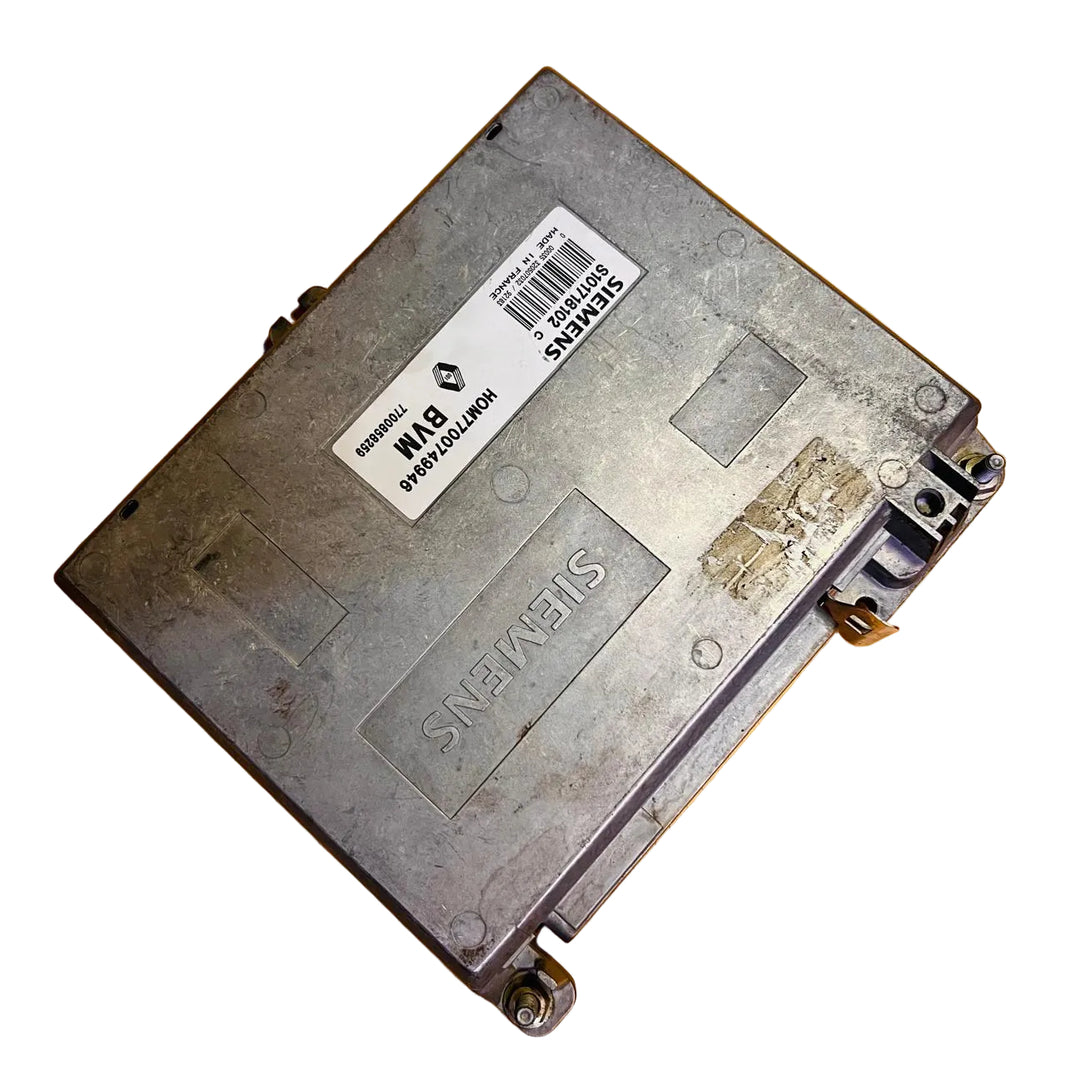
What Does a Transmission Control Module Actually Do?
The transmission control module, often abbreviated as TCM or TCU, monitors input from wheel speed sensors, throttle position sensors, and engine load data to determine the optimal moment to shift gears. In automatic transmissions, it commands solenoids inside the valve body to engage or release clutch packs. Without it, an automatic gearbox cannot function. In semi-automatic and dual-clutch setups, the module's precision becomes even more important, as shift times are measured in milliseconds.
Recognising the Early Warning Signs
TCM problems rarely appear without warning. Most drivers first notice a delay when shifting from park into drive or reverse. You might also experience harsh or jerky gear changes, particularly under acceleration. Other symptoms include the transmission becoming stuck in a single gear (often second or third, known as limp-home mode), illuminated check engine or gear warning lights, and a noticeable drop in fuel efficiency. If your onboard diagnostics display a code in the P0700 range, the powertrain control module has detected a general transmission fault that often traces back to the TCM.
Choosing the Right Replacement Part
Not all control modules are interchangeable. Each module is programmed with software specific to the vehicle's make, model, engine size, and even the final-drive ratio. When sourcing a replacement, the part number on the original unit is the single most important identifier. Cross-referencing that number against an OEM catalogue prevents the costly mistake of installing a unit that looks identical but runs different shift logic. For owners searching for a reliable transmission control module, working with a specialist who understands these part-number nuances saves both time and money.
Programming and Adaptation After Installation
Swapping a TCM is not a plug-and-play repair on most modern vehicles. After physical installation, the new module must be programmed or flashed with software that matches the vehicle's configuration. Many manufacturers also require an adaptation procedure, which teaches the module the specific wear characteristics of your clutch packs and solenoids. Skipping this step leads to harsh shifts and premature wear. Some independent garages have the diagnostic tools to perform this work, while others may need to send the vehicle to a dealership for final programming.
Protecting the Module From Common Failure Causes
The most frequent cause of TCM failure is water intrusion. The module is typically located under the centre console or beneath a seat, where it sits low in the chassis. Clogged sunroof drains, leaking windshield seals, or spilled beverages can send moisture straight into the module's circuitry. Vibration and heat cycling over many years also weaken solder joints and connector pins. Having the module inspected during routine service, keeping drain channels clear, and addressing interior water leaks immediately all help extend its service life.
Final Thoughts
A healthy transmission control module is essential for smooth, efficient, and predictable driving behaviour. Understanding what it does, recognising the symptoms of failure, and sourcing the correct replacement can save thousands in unnecessary transmission rebuilds. If your vehicle is showing signs of TCM trouble, have it diagnosed promptly by a qualified technician before a minor issue becomes a major repair.