
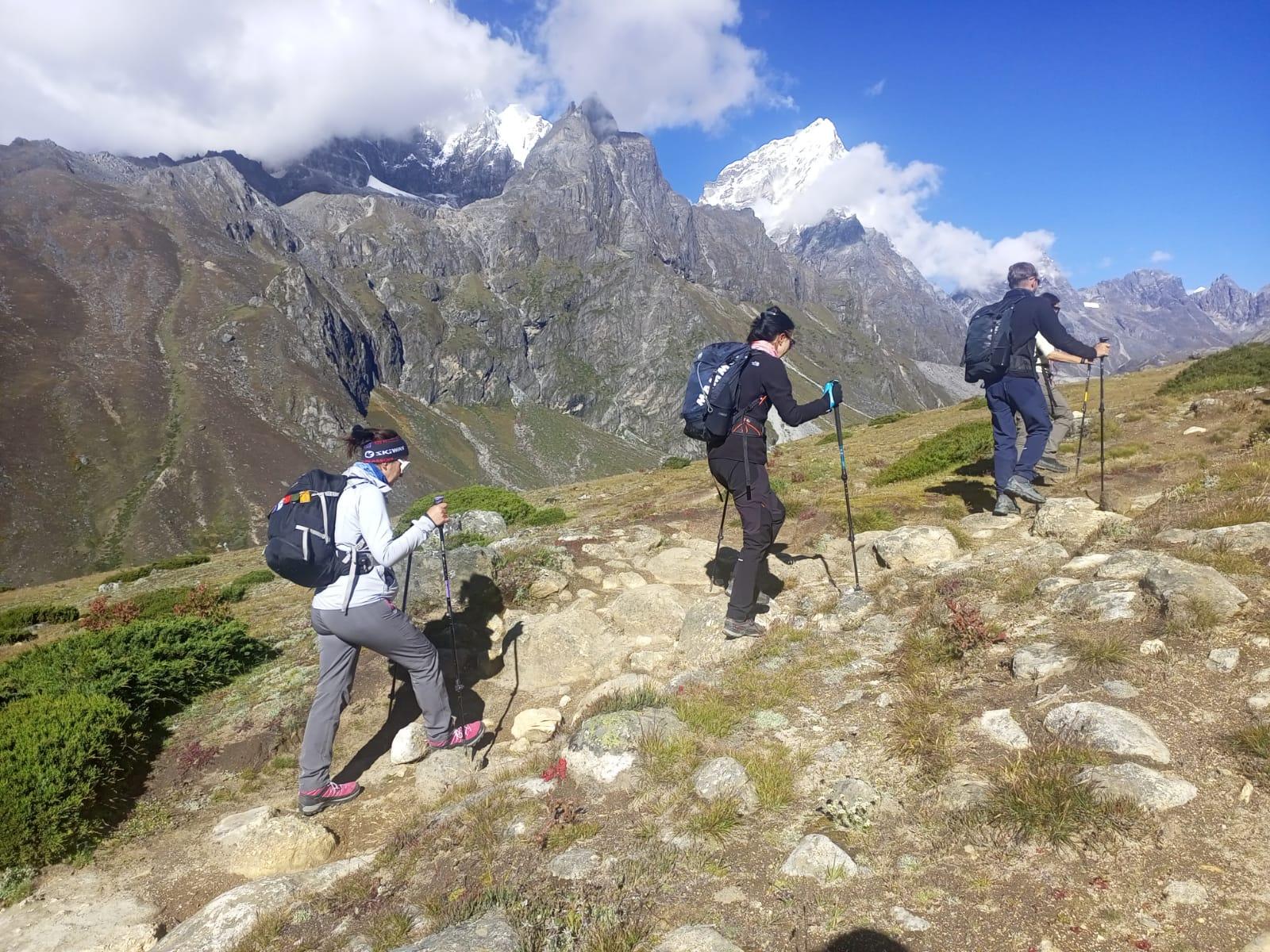
Starting your trek without coverage might leave you exposed when problems strike. High up in the mountains, help can be hours away if things go wrong. When sickness hits from thin air or a misstep causes injury, aid may not come fast. Delays happen too - planes get stuck, storms roll in without warning. The path is clear but stretches far beyond hospitals or clinics. Money worries fade once you know care won’t drain savings. Calm comes easier knowing rescue or evacuation has backup. Focus stays sharp when stress about bills disappears.
Coverage for High Altitude Trekking
High up on the list for travel insurance when doing this trek? Coverage that includes high-altitude hiking. Most regular plans skip protection past a specific elevation - something worth double-checking before heading out. Close to Annapurna Base Camp, the air gets thin, increasing chances of altitude issues. Protection must clearly state it works at heights between 4,000 and 5,000 meters. Miss this detail, and sudden health problems could mean steep bills instead of safe returns.
Emergency Helicopter Evacuation Coverage
When things go wrong on a trail in Nepal, getting out fast often means relying on a helicopter. If someone gets hurt badly, hits altitude sickness, or falls ill suddenly, flying out might be the sole way to survive - especially far from cities. Without insurance, paying for that flight alone could drain savings quickly. That is why it pays to check if emergency evacuations are part of any travel plan. Knowing help can arrive swiftly brings peace, particularly in mountain zones where clinics are distant and every minute counts. High paths demand smart choices before boots even touch dirt.
Medical Care and Hospital Bills
Getting sick while trekking? That is where medical coverage steps in. Far from home, a sudden fever might mean needing care fast - doctors, pills, overnight stays. Cities such as Pokhara or Kathmandu have clinics ready for worse cases. Imagine twisting an ankle near Lukla; infection could follow unless help arrives quickly. Without insurance, even basic meds add up, draining savings before you know it. When snow blocks trails and phones fail, knowing your treatment costs are covered brings quiet relief. Remote paths demand backup plans - not just extra socks, but real healthcare support.
Trip Cancellation and Delay Protection
When storms hit, trips might get cut short or pushed back. Because of sudden illness, bad forecasts, or airline issues, journeys often go off track mid-way or at the start. Coverage steps in to return money spent on things like tickets, lodging, or climbing passes that would otherwise vanish. Around places like Annapurna, skies shift fast - delays happen, routes change overnight. With a policy in hand, hikers face fewer money worries when rerouting becomes necessary. Plans bend easier under pressure if costs aren’t lost outright.
Lost or damaged baggage coverage
Luggage going missing or getting ruined pops up now and then on trips. When flights, car rides, and mountain hikes stretch out, bags might not show up when expected - maybe they vanish altogether. Boots, heavy coats, rucksacks - these aren’t extras but must-haves high up in cold peaks. If things go wrong, policies step in to pay back or swap what vanished, so climbers keep moving forward smoothly. People crossing borders with pricey outdoor kits benefit most from this kind of backup.
How to Pick an Insurance Plan
Most people miss key details when picking an insurance plan. Those planning to trek need plans clearly stating Nepal treks and high elevation protection. Hidden clauses often cause confusion later on. Providers known for fast claims and solid help during emergencies tend to work better. When things go wrong up in the mountains, a strong policy makes dealing with them far easier.
Conclusion
High up near Annapurna Base Camp, having travel insurance isn’t just smart - it’s necessary. When altitude brings trouble, help might mean a flight out by helicopter - insurance handles those costs. Medical care in remote areas adds up fast; coverage keeps expenses from piling higher than the mountains themselves. If storms cancel flights or illness cuts trips short, reimbursement softens the blow of sudden change. Lost bags or delayed gear? Protection kicks in before frustration takes root. Knowing risks are managed lets attention stay where it belongs - on views, steps, and breath. Safety grows when plans include solid backing for what cannot be predicted. A well-chosen policy turns uncertainty into calm, one mountain at a time.