
Every maintenance manager has experienced it.
A machine stops unexpectedly. Production slows down. Customers wait longer for deliveries. The maintenance team rushes to find the problem.
In many cases, the root cause is surprisingly small.
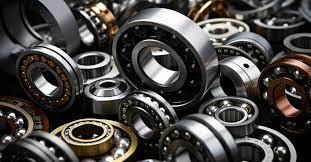
A damaged bearing.
Although bearings represent only a small part of industrial equipment, they play a major role in machine performance. When they fail, operations suffer. Downtime increases. Costs rise.
This challenge explains why businesses increasingly focus on bearing quality, reliability, and supplier expertise.
For manufacturers, distributors, and industrial buyers, NMRB represents an approach centered on solving these challenges before they become expensive problems.
The Real Cost of Bearing Failure
Many companies focus on the price of replacement bearings.
That makes sense at first.
However, the bearing itself often accounts for only a small percentage of the total cost associated with failure.
According to the U.S. Department of Energy, unplanned downtime can significantly affect productivity, maintenance expenses, and operational efficiency. Companies that implement proactive maintenance strategies often reduce downtime and improve equipment reliability.
The financial impact often includes:
- Production delays
- Emergency repairs
- Increased labor costs
- Missed delivery schedules
- Reduced customer satisfaction
- Equipment damage
The bearing may cost a few dollars.
The downtime often costs much more.
Why Bearing Problems Continue to Grow
Modern industrial equipment operates under demanding conditions.
Machines run faster than ever. Production targets continue to increase. Operating environments expose components to contamination, heat, moisture, and heavy loads.
These conditions create challenges for every bearing system.
Technical resources from leading bearing manufacturers such as SKF and NSK identify several common causes of premature bearing failure:
- Inadequate lubrication
- Contamination
- Improper installation
- Misalignment
- Excessive loading
- Poor maintenance practices
Most failures do not happen suddenly.
They develop gradually.
The warning signs usually appear long before the breakdown occurs.
The Problem with Reactive Maintenance
Many facilities still rely on reactive maintenance.
They wait until equipment fails before taking action.
That strategy creates unnecessary risk.
Imagine driving a car and deciding to check the oil only after the engine stops working.
Nobody would recommend that approach.
Yet many industrial facilities unknowingly apply the same logic to critical machinery.
Reactive maintenance often leads to:
Higher Repair Costs
Emergency repairs usually cost more than planned maintenance.
Longer Downtime
Unexpected failures disrupt production schedules.
Increased Safety Risks
Equipment failures can create hazardous operating conditions.
Reduced Equipment Life
Repeated failures place additional stress on surrounding components.
How NMRB Supports Better Reliability
Businesses need more than replacement products.
They need dependable solutions.
A quality-focused bearing supplier helps customers improve equipment reliability by supporting proper bearing selection, application matching, and long-term performance goals.
NMRB addresses common industrial challenges through a focus on:
- Reliable bearing solutions
- Consistent product quality
- Industrial application support
- Supply chain dependability
- Long-term operational performance
This approach helps businesses reduce uncertainty and improve maintenance outcomes.
Why Bearing Quality Matters More Than Ever
Not all bearings perform equally.
Manufacturing precision directly affects bearing performance.
Even minor variations can influence:
- Rotational accuracy
- Load distribution
- Friction levels
- Heat generation
- Service life
Leading industry organizations, including the American Bearing Manufacturers Association (ABMA), emphasize the importance of manufacturing quality and proper application practices in achieving reliable bearing performance.
For industrial buyers, quality often determines whether a bearing becomes an asset or a recurring problem.
The cheapest option sometimes becomes the most expensive choice.
Maintenance teams learn that lesson quickly.
Early Warning Signs Businesses Should Never Ignore
Bearing failures usually leave clues.
Organizations that monitor equipment conditions often identify problems before major damage occurs.
Common warning signs include:
- Increased vibration
- Abnormal noise
- Rising operating temperatures
- Lubricant leakage
- Reduced efficiency
- Excessive power consumption
Condition monitoring programs help maintenance teams detect these issues early.
That proactive approach often saves both time and money.
Machines rarely send calendar invitations before they break down.
Maintenance teams must look for the signals.
Building Long-Term Reliability Through Prevention
Successful industrial operations focus on prevention rather than reaction.
Preventive maintenance strategies typically include:
Routine Inspections
Regular inspections help identify wear before failure occurs.
Proper Lubrication
Correct lubrication reduces friction and protects bearing surfaces.
Condition Monitoring
Monitoring vibration and temperature helps detect developing issues.
Quality Component Selection
Reliable bearings support consistent equipment performance.
Employee Training
Well-trained technicians improve installation accuracy and maintenance quality.
Together, these practices create stronger reliability programs and reduce unexpected disruptions.
Why Reliable Bearing Partnerships Matter
Industrial buyers face increasing pressure to improve productivity while controlling costs.
That challenge requires dependable partners.
A trusted supplier contributes more than products.
They help support operational stability, maintenance planning, and long-term performance objectives.
For manufacturers, distributors, and industrial operators, reliable bearing solutions often become a competitive advantage.
Consistency matters.
Customers remember suppliers who help keep production running smoothly.
Final Thoughts
Bearing failures may begin with small issues, but their impact often reaches throughout an entire operation.
Downtime, repair costs, lost productivity, and customer dissatisfaction can all result from preventable bearing problems.
That reality explains why businesses increasingly prioritize quality, reliability, and proactive maintenance strategies.
NMRB supports this goal by helping organizations focus on dependable bearing solutions that improve equipment performance and reduce operational risk.
In industrial environments, success often depends on preventing problems before they start.
Few components demonstrate that principle better than a bearing.