
Safety-focused, women-only ride services have moved from novelty to a serious category, driven by real demand in markets where many women feel uneasy in conventional cabs. The model is compelling — a clear mission, a loyal user base, and a differentiation that giants struggle to replicate. But it also carries unique challenges around driver supply, verification, and regulation. Before you commit, it pays to reason through the decision deliberately. This guide lays out the questions that actually determine whether a women-only service will thrive in your market or stall.
Question 1: Is the Demand Real and Local?
Mission alone does not make a market. Look for concrete signals: surveys showing women avoid existing options after dark, social media frustration, or strong uptake by similar services in comparable cities. The strongest opportunities are in regions where safety concerns are acute and current providers ignore them. A focused Uber Clone configured for women-only matching lets you test that demand quickly, but the demand must exist before the software can serve it.
Question 2: Can You Build a Female Driver Supply?
This is the make-or-break question, because a women-only service needs women drivers, and recruiting them is harder than recruiting drivers generally. Consider whether your market has women open to driving, whether part-time and daytime-only shifts would widen your pool, and what safety assurances would convince them to sign up. A flexible Ride-Hailing App lets you offer shift preferences and curated zones that make driving feel safe and worthwhile, which directly expands the supply you can attract.
Question 3: Is Your Safety Design Genuinely Strong?
A safety brand that suffers one serious incident can collapse overnight, so the safety layer cannot be cosmetic. Rigorous identity verification for both riders and drivers, live trip sharing, an emergency button, and audited records are baseline, not premium. Choose Taxi Booking Software that bakes these features in rather than bolting them on, because in this category safety is the product, and the technology must reflect that from the first ride.
Question 4: Does Regulation Allow It?
Gender-restricted services sit in a legal gray zone that varies sharply by jurisdiction. Some regions explicitly permit or even encourage women-only transport; others have anti-discrimination frameworks that complicate it. Investigate your local position before building, and structure the service to comply, sometimes as a safety-priority option rather than a strict exclusion. The flexibility of a White Label App Solution helps you adapt the matching rules to whatever your legal advisor confirms is permissible.
Making the Call
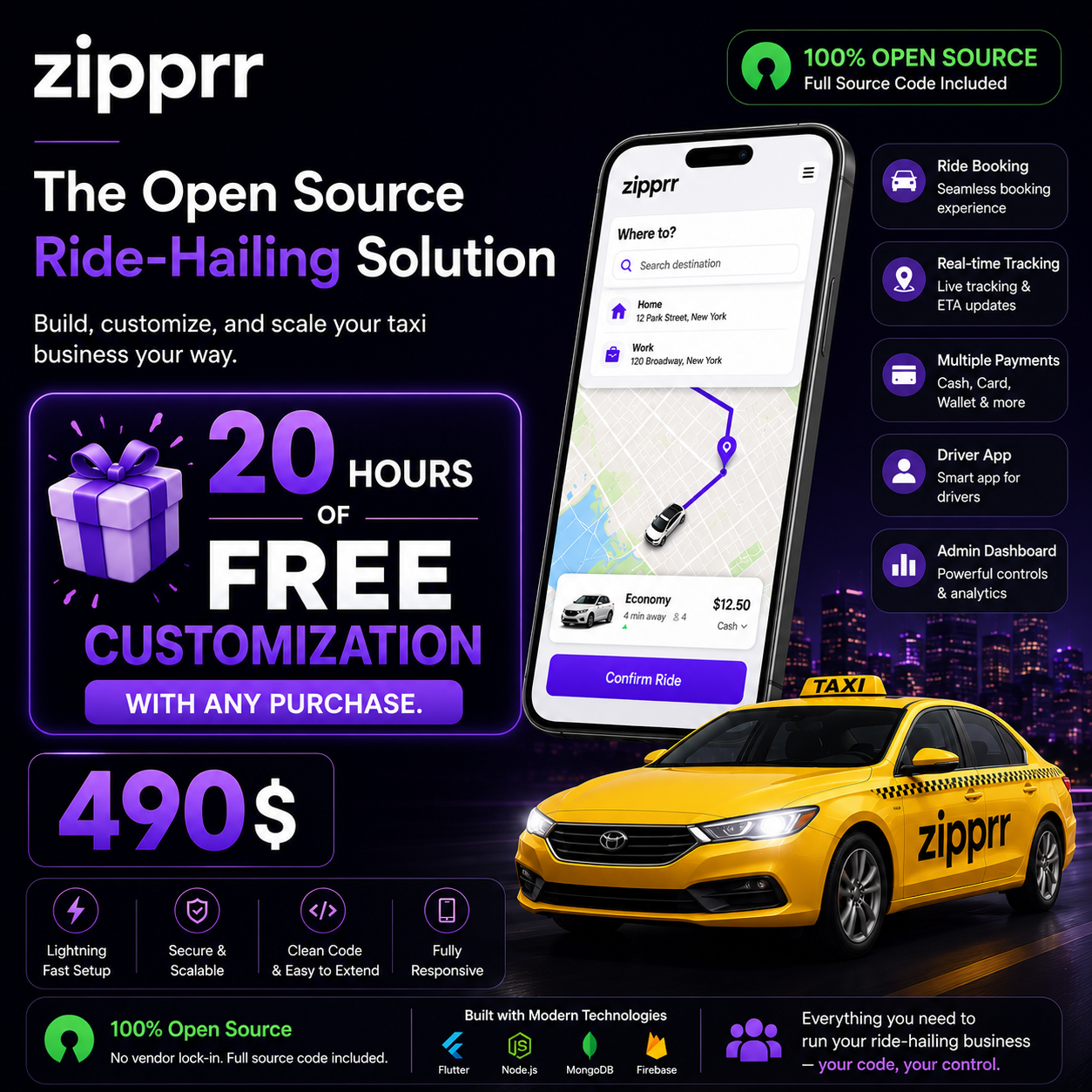
If demand is real, female driver supply is reachable, your safety design is rigorous, and regulation permits the model, a women-only service can be a defensible, mission-driven business with fierce loyalty. If any pillar is shaky — especially driver supply — you may want to start as a safety-first general service and evolve toward women-only as your roster grows. A configurable Uber Clone Script from Zipprr lets you launch along that spectrum and shift your positioning as you learn, so the decision is not all-or-nothing on day one. Many of the strongest safety-focused services grew this way — proving the mission with a smaller, carefully vetted roster, earning a reputation for reliability, and then leaning fully into the women-only identity once supply could meet the demand without long wait times. Patience with the model often beats forcing it before the pieces are ready.
FAQ
Is there really enough demand for women-only rides? In many markets, yes — particularly where safety concerns keep women from using conventional services at night. The key is verifying that demand locally through surveys and signals before you build, rather than assuming a mission guarantees a market.
What is the hardest part of this model? Recruiting enough women drivers. Demand often outpaces supply, so the operators who succeed invest heavily in making driving safe, flexible, and attractive for women, frequently with daytime shifts and curated service zones.
Can I start broad and narrow later? Yes. Many operators launch a safety-first service open to a wider driver pool, then introduce women-only matching as their female roster grows. Zipprr's configurable matching makes that gradual evolution practical without re-platforming.
Conclusion
A women-only ride service can be one of the most differentiated and loyalty-rich models in mobility, but only if four pillars hold: genuine local demand, attainable female driver supply, uncompromising safety design, and regulatory clearance. Reason through each honestly. If they stand, you have a mission-driven business giants cannot easily copy; if one wobbles, evolve toward it rather than forcing it. The decision rewards clear thinking over enthusiasm.