
How Machine Embroidery Trends in 2026 Are Borrowing From Hand Stitch Traditions
The embroidery world has changed almost 360 degrees over the last few years. Fast and easy to use embroidery machines (both home & commercial), advanced digitizing software & best quality threads have made it possible to create designs that looked impossible 10 to 30 years ago.
Well the biggest embroidery trends 2026 is not about replacing machine embroidery with hand stitching. Instead, machine embroidery borrows visual ideas from traditional stitch work to create designs with more texture, depth, and movement. Today's commercial embroidery machines can recreate many of these effects through better digitizing, making final result look stunning & more attractive. This growing embroidery trend shows how technology & classic design ideas can work together to create modern embroidery with lasting appeal.
Why Traditional Hand Embroidery is Making a Comeback?
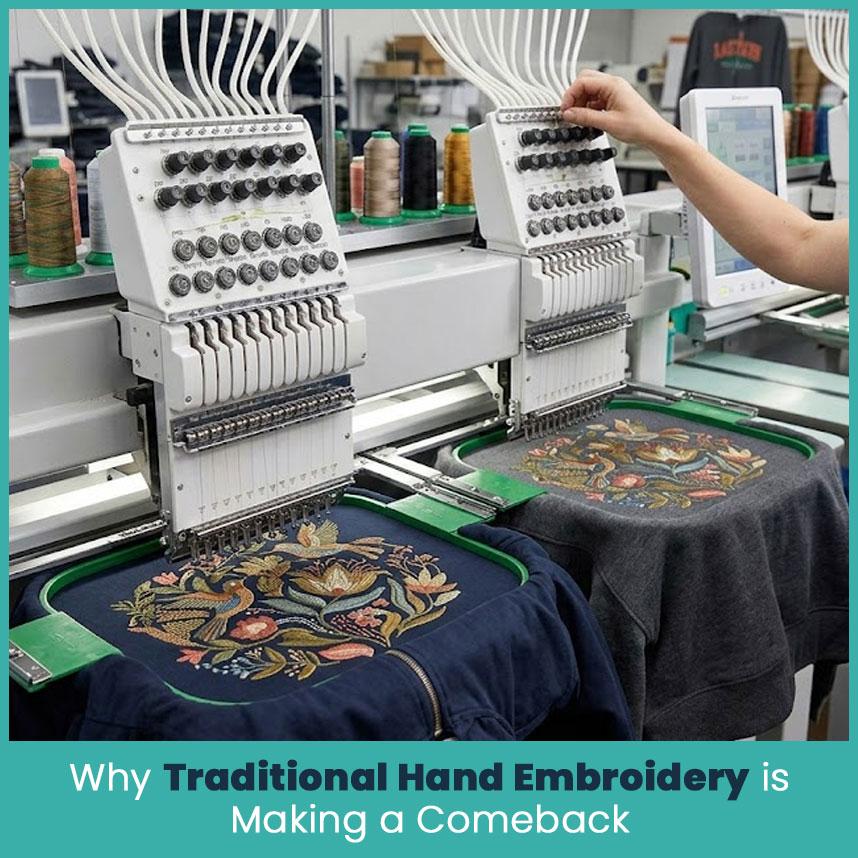
The biggest change is happening in machine embroidery shops. Brands are asking digitizers to create embroidery that looks more detailed and handcrafted while keeping the speed and consistency of commercial embroidery.
Instead of copying hand embroidery exactly, digitizers use advanced embroidery software to recreate its visual style through machine stitching. This approach also works well for minimalist embroidery designs, where clean layouts and subtle texture create a premium appearance without adding unnecessary stitch count.
This shift is happening because:
- Commercial brands want embroidery with more texture and dimension.
- Customers prefer premium looking apparel instead of flat logo embroidery.
- Digitizers create stitch paths that add natural depth to every design.
- Advanced embroidery software makes these effects much easier to produce.
Advanced Digitizing Makes Handmade Effects Possible
Modern machine embroidery depends on good digitizing. The embroidery machine only follows the stitch file, so every decision made during digitizing directly affects the final result.
Today's software gives digitizers much better control than ever before, making it easier to create designs that have depth without adding unnecessary stitches. Understanding different embroidery stitch types also helps digitizers choose the right combination for every fabric and design. Skilled professionals who specialize in custom embroidery digitizing adjust these settings based on the fabric, thread & final product, which helps the embroidery stitch more cleanly & look more natural.
Some techniques are:
- Variable stitch angles for natural movement.
- Layered fill stitches that create dimension.
- Short satin stitch segments for cleaner details.
- Randomized stitch flow instead of repetitive patterns.
- Better underlay techniques for improved stability.
- Modern embroidery software with advanced editing tools.
The goal is simple. Use machine embroidery to create artwork that looks more natural while maintaining production efficiency.
Textured Stitching is Becoming More Popular
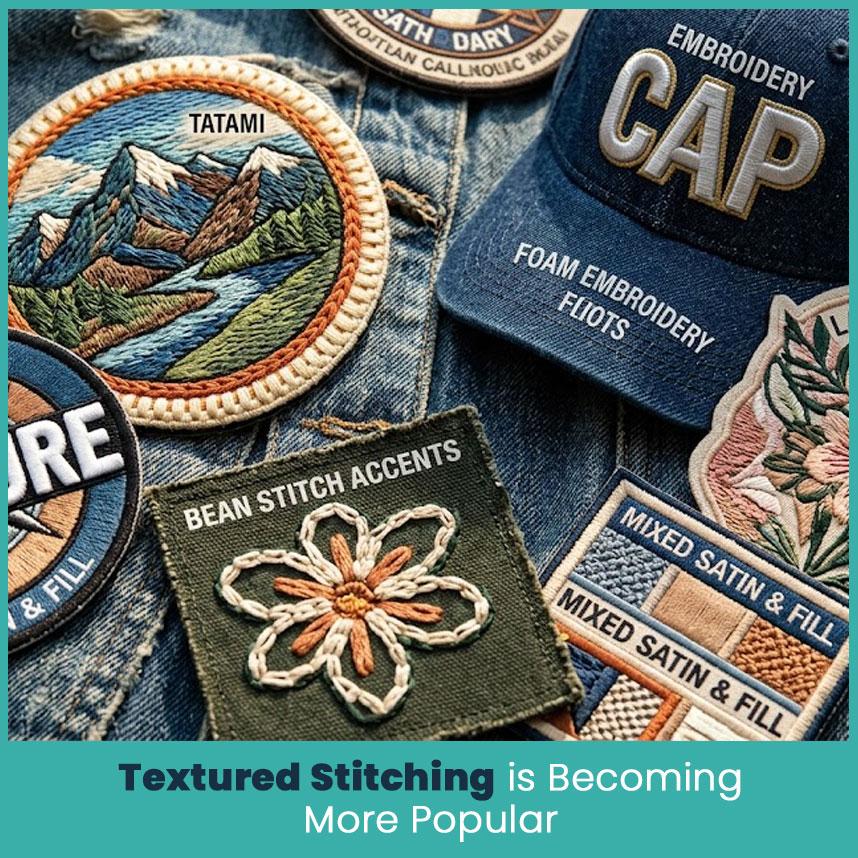
Flat embroidery is slowly giving way to designs with more texture. Instead of depending on heavy fill stitches, digitizers combine different stitch types to create a layered appearance.
This approach makes logos, patches & fashion embroidery unique without increasing stitch count too much.
Popular techniques are:
- Tatami fills with changing stitch angles.
- Mixed satin & fill stitches.
- Raised embroidery for extra dimension.
- Foam embroidery on caps.
- Bean stitch accents for decorative outlines.
- Layered embroidery for richer visual depth.
Vintage Styles Continue to Inspire New Designs
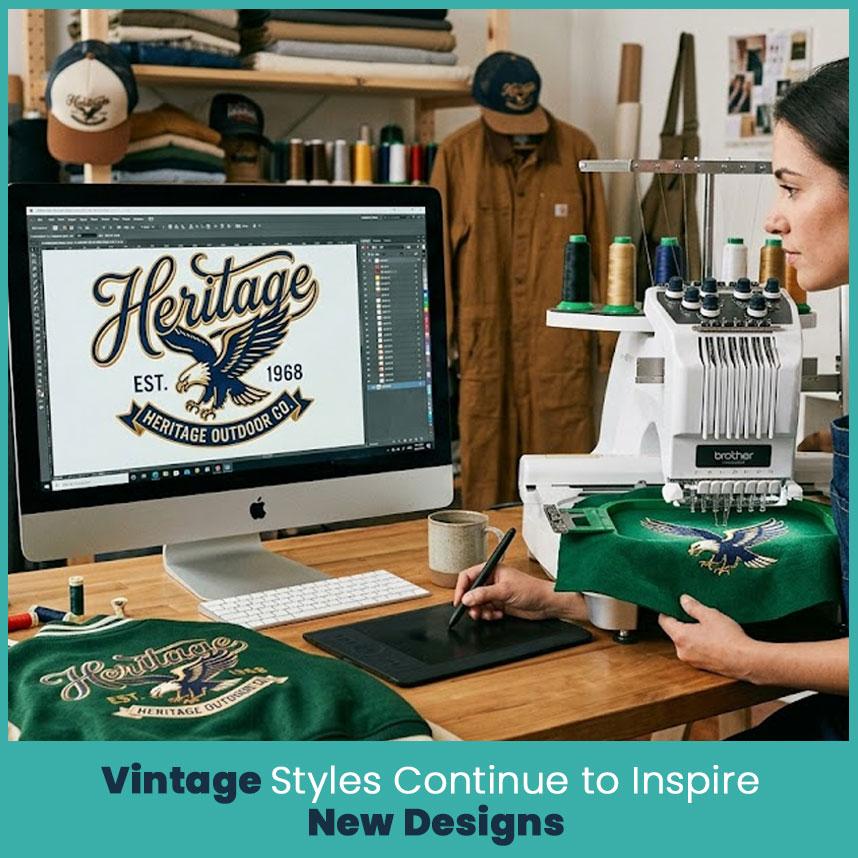
Vintage artwork continues to influence today's machine embroidery, especially in fashion and branded apparel. Instead of copying old patterns exactly, digitizers modernize them for current clothing styles.
These classic elements work well because they give identity to machine embroidery without making the design look outdated.
Popular applications include:
- Vintage varsity jackets.
- Workwear logos.
- Heritage brand apparel.
- Western shirts.
- Structured caps.
- Fashion collections.
Small Imperfections Make Designs Look Better
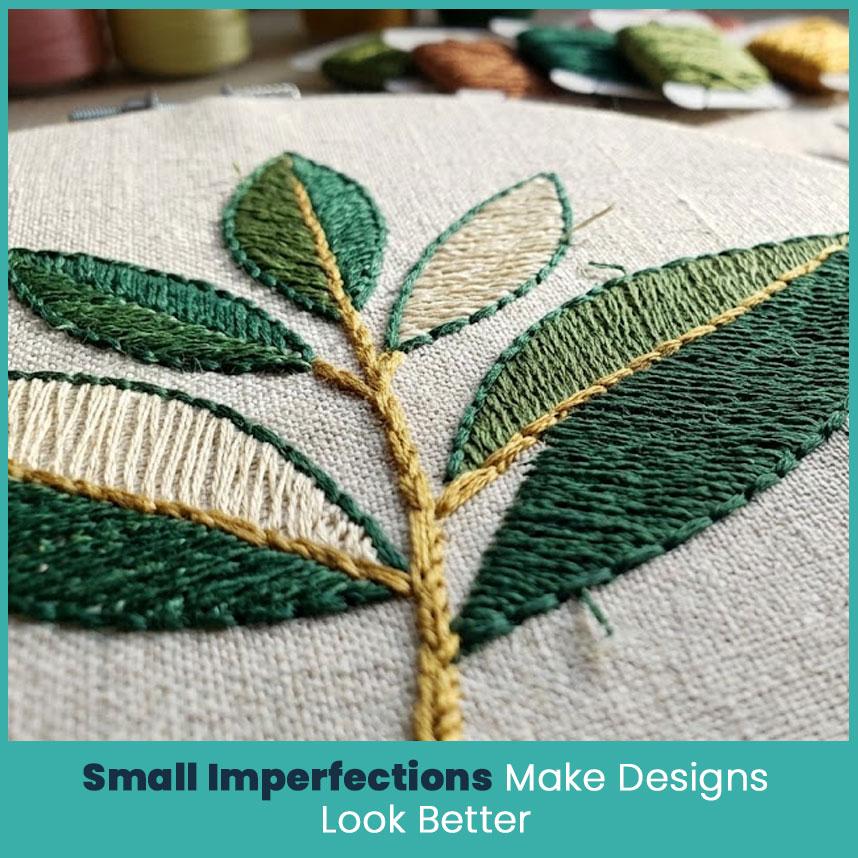
Experienced digitizers know that perfectly uniform stitching doesn’t always create the best embroidery. Small adjustments produce a cleaner and more natural appearance once the design is stitched.
Rather than making every section identical, they carefully vary stitch direction and spacing where needed.
Some common adjustments include:
- Slight stitch angle changes.
- Different stitch lengths.
- Balanced spacing between fills.
- Reduced stitch density in large areas.
These small modifications make machine embroidery look more refined without changing the artwork itself.
Fabric Plays a Bigger Role Than Ever
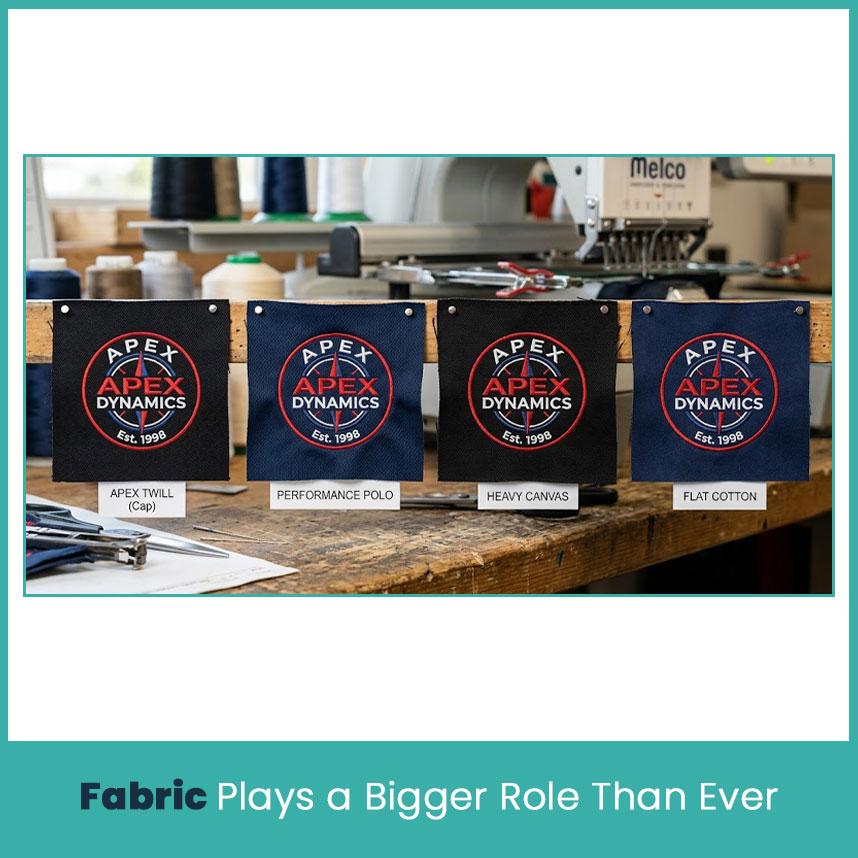
Fabric plays a major role in embroidery quality. The same design can stitch beautifully on one material & require several adjustments on another.
Professional digitizers always match the embroidery file to the fabric before project begins.
Common applications include:
- Cap embroidery.
- Flat embroidery.
- Left chest logos.
- Jacket back embroidery.
- Performance apparel.
Matching stitch settings to the fabric improves both appearance & production quality.
Traditional Patterns are Getting a Modern Update
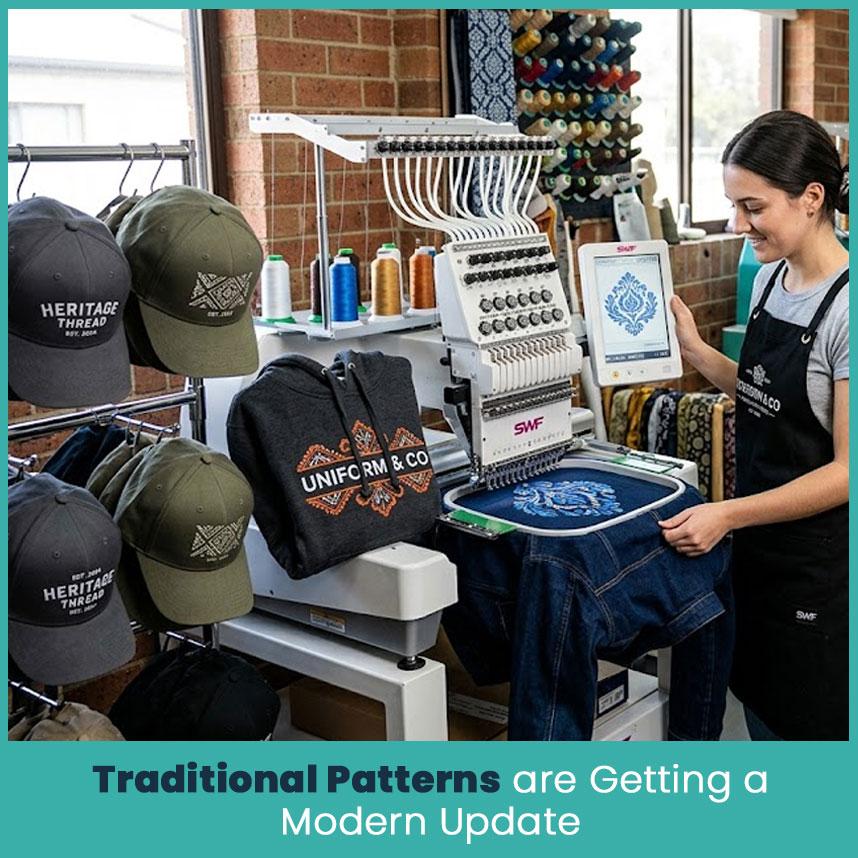
Classic artwork continues to inspire today's embroidery, but the final products are designed for modern apparel and commercial production.
Machine embroidery shops are updating traditional patterns to match today's fashion while keeping production practical.
Popular products include:
- Hoodies.
- Structured caps.
- Tote bags.
- Denim jackets.
- Work uniforms.
This combination creates designs that look timeless while still fitting modern apparel collections.
Color Choices are Becoming More Natural
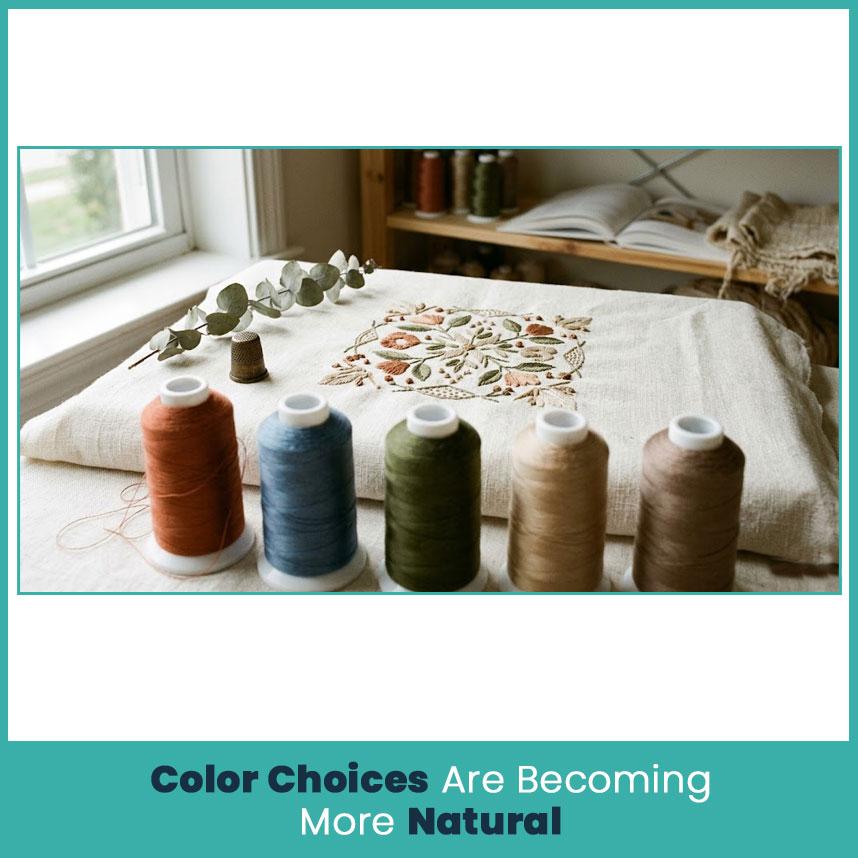
Thread selection is changing along with embroidery styles. Mostly brands now choose softer color combinations because they highlight texture & stitch direction more effectively.
Natural looking thread colors also complement today's premium apparel collections.
Popular choices include:
- Earth tones.
- Olive greens.
- Warm beige.
- Dusty blue.
- Rust shades.
Digitizers are Spending More Time Planning Than Stitching
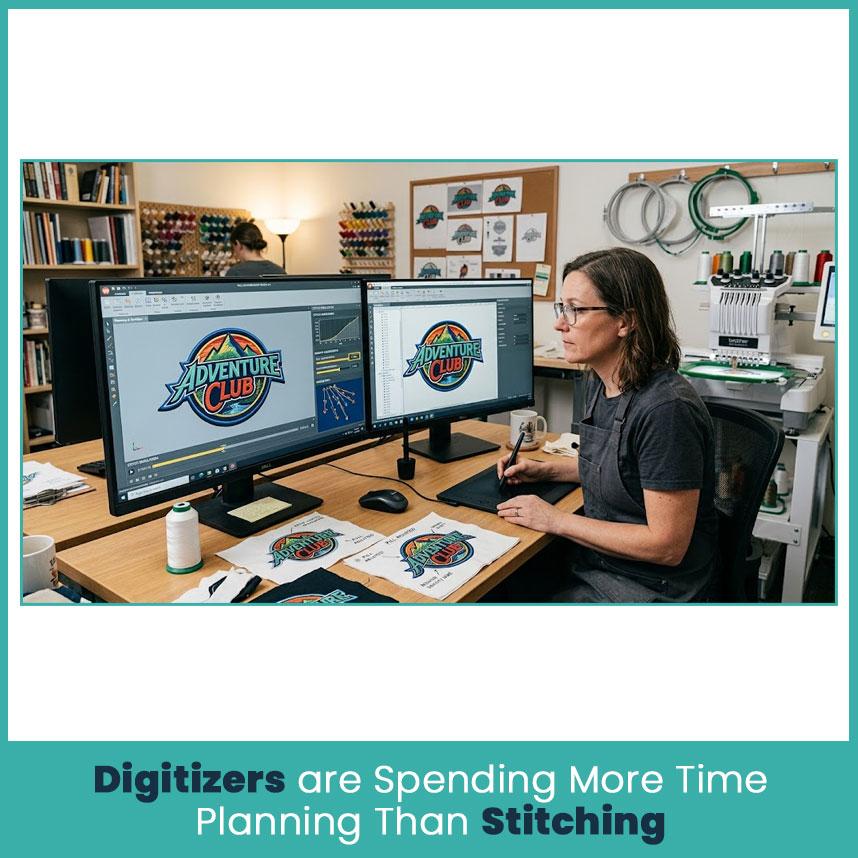
Successful embroidery begins long before the machine starts sewing. Experienced digitizers spend more time planning because proper preparation reduces production problems later.
Testing and refining a design before production saves both time and material.
Planning usually includes:
- Stitch simulation.
- Test sew-outs.
- Density adjustments.
- Pull compensation.
- Push compensation.
- Thread path planning.
These steps help embroidery machines run more smoothly while producing cleaner results.
Current Embroidery Styles Focus on Quality Instead of Quantity
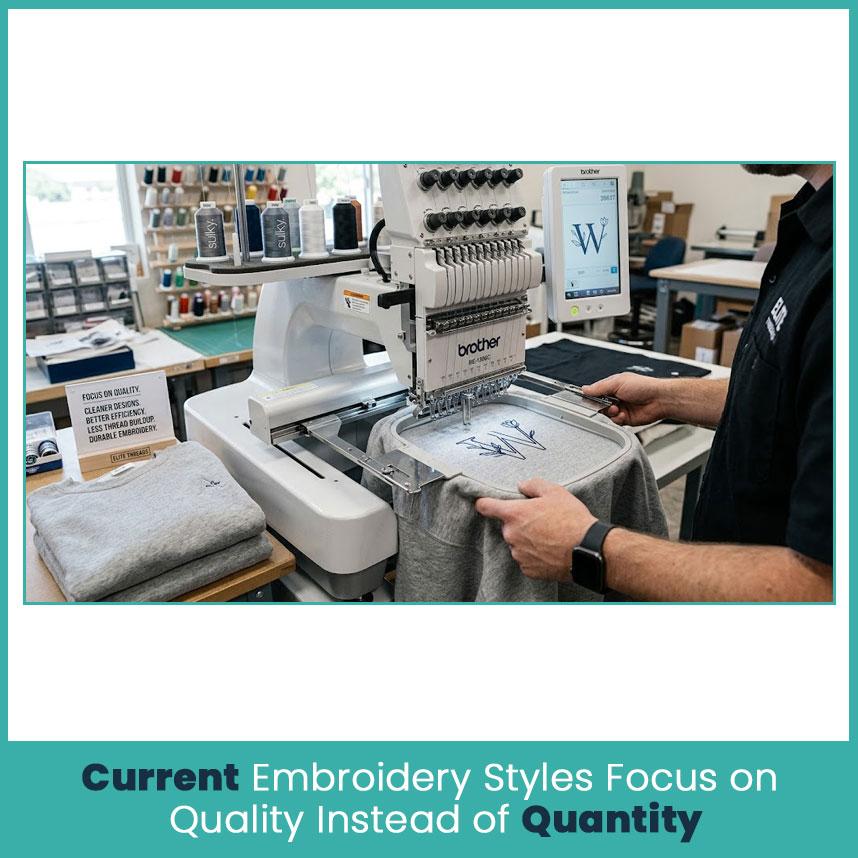
98% embroidery brands prefer cleaner designs instead of filling every available space with stitches. This approach creates embroidery that looks more attractive & performs better during production.
Well planned stitch placement has a bigger visual impact than adding more thread.
Current machine embroidery focuses on:
- Cleaner stitch counts.
- Better production efficiency.
- Longer lasting embroidery.
- Less thread buildup.
- Better machine performance.
Why This Direction Will Continue Beyond 2026?
Machine embroidery continues to improve every year. Better software, faster equipment, and smarter production methods are making quality embroidery easier to produce.
Traditional stitching will continue inspiring design styles but machine embroidery will remain the foundation of commercial production.
Future developments include:
- AI assisted digitizing tools.
- Better embroidery software.
- Multi needle commercial embroidery machines.
- Sustainable embroidery threads.
- Faster production without compromising quality.
FAQs
What makes hand stitch inspired machine embroidery popular in 2026?
People like embroidery that looks natural and handcrafted while still benefiting from modern machine accuracy and production speed.
Can embroidery machines really copy hand embroidery?
They can recreate many traditional effects through careful digitizing, stitch direction, density changes & thoughtful planning.
Are textured embroidery designs harder to digitize?
We can say yes. They require more planning because stitch order, angles, and fabric behavior all affect the final result.
Which fabrics work best with traditional embroidery styles?
Denim, canvas, twill, linen & quality cotton all work well because they support detailed stitching without losing definition.
Why are handcrafted embroidery styles returning?
Customers appreciate authentic looking embroidery that has depth, texture, and a timeless appearance instead of overly perfect machine stitching.
Author Bio
Matthew Davis
Senior Embroidery Digitizer
I'm Matthew Davis, a skilled embroidery digitizer with more than 15 years of practical experience. I specialize in logo digitizing, 3D puff embroidery designs, applique digitizing, custom embroidery digitizing, and working with difficult fabrics. Over the years, I have worked with different fashion brands and production teams worldwide. I always share simple tips and useful techniques to help both beginners and businesses improve their embroidery work.