
As railway infrastructure continues to evolve, operators are under increasing pressure to build track systems that are stronger, lighter, and more sustainable. Whether it's high-speed passenger rail, heavy-haul freight corridors, urban metro systems, or industrial railways, modern networks demand materials that can withstand years of dynamic loading while keeping maintenance costs under control.
For decades, timber sleepers and conventional steel structures have been the industry standard. However, as operating conditions become more demanding, many railway engineers are beginning to explore advanced alternatives.
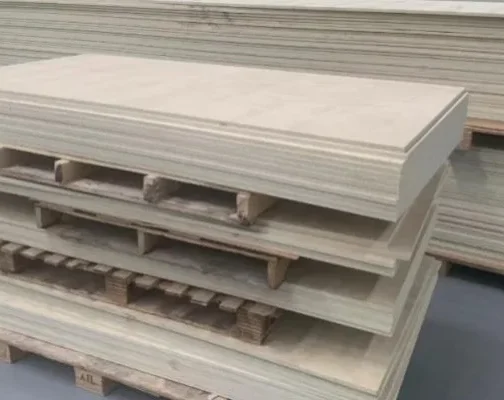
One solution gaining attention is KF Synthetic Wood & Light-Core Steel, an innovative composite material that combines the durability of engineered steel with the practical advantages of synthetic wood. This hybrid structure offers an attractive balance between strength, weight, longevity, and environmental performance.
Why Traditional Railway Materials Are Becoming Less Practical
Although timber and concrete remain widely used, each material has limitations that become more apparent as railway systems expand and traffic intensity increases.
The Challenges of Timber Components
Wood has long been valued for its elasticity and ease of installation, but it also presents several maintenance concerns.
Common problems include:
- Moisture absorption
- Rot and fungal growth
- Insect damage
- Surface cracking
- Dimensional deformation over time
As these issues develop, railway operators often face higher inspection frequencies, more frequent replacements, and increased maintenance costs.
Heavy Steel and Concrete Structures
Steel and reinforced concrete provide excellent structural strength, but they also introduce practical challenges.
For example:
- Greater transportation costs due to heavier weight
- More complex lifting and installation procedures
- Higher labor requirements during construction
- Increased stress on supporting foundations
As infrastructure projects place greater emphasis on construction efficiency and lifecycle cost reduction, lighter yet equally durable materials are becoming increasingly attractive.
What Makes KF Synthetic Wood & Light-Core Steel Different?
KF Synthetic Wood & Light-Core Steel combines engineered synthetic materials with a lightweight steel core to create a structural solution that addresses many of the shortcomings of traditional railway materials.
Instead of relying solely on mass for strength, the composite design optimizes mechanical performance while reducing overall weight.
This approach delivers multiple engineering advantages.
Excellent Durability for Long-Term Service
Railway infrastructure must operate reliably under changing weather conditions and continuous train traffic.
KF Synthetic Wood & Light-Core Steel is engineered to resist:
- Water penetration
- Corrosion
- UV exposure
- Temperature fluctuations
- Industrial pollution
- Long-term outdoor aging
These characteristics help reduce maintenance frequency and extend service life compared with conventional materials.
Lightweight Design Without Sacrificing Strength
One of the biggest advantages of light-core steel technology is its ability to maintain structural integrity while significantly reducing overall weight.
For railway contractors, this translates into several practical benefits:
- Easier transportation
- Faster installation
- Lower labor requirements
- Improved handling on-site
- Reduced construction time
On large infrastructure projects, these efficiencies can lead to meaningful reductions in total project costs.
Stable Performance Under Dynamic Railway Loads
Every train passing over the track generates repeated vibration and impact forces.
Materials used in railway infrastructure must maintain dimensional stability despite:
- Heavy axle loads
- Continuous vibration
- Thermal expansion and contraction
- Long-term fatigue loading
KF Synthetic Wood & Light-Core Steel is designed to maintain its structural performance under these demanding operating conditions, helping preserve track geometry and support safer railway operations.
Supporting Sustainable Railway Infrastructure
Environmental responsibility has become an increasingly important consideration for railway owners and government agencies.
Composite railway materials contribute to sustainability in several ways.
Reducing Dependence on Natural Timber
Traditional railway construction consumes large quantities of hardwood.
By replacing timber with engineered synthetic alternatives, railway projects can reduce pressure on forest resources while maintaining reliable infrastructure performance.
Longer Service Life Means Less Waste
Materials that last longer naturally require fewer replacements.
This reduces:
- Material consumption
- Maintenance activities
- Transportation requirements
- Construction waste
Over the lifetime of a railway line, these savings become increasingly significant.
Recyclable Steel Components
The steel core can be recycled after its service life, supporting circular economy initiatives and helping reduce environmental impact.
For many infrastructure owners, recyclability has become an important factor during material selection.
Where Is KF Synthetic Wood & Light-Core Steel Used?
The versatility of this material makes it suitable for a wide range of railway applications.
Urban Rail Transit
Metro systems and light rail networks require infrastructure capable of handling intensive daily operations with minimal maintenance interruptions.
The durability and dimensional stability of KF Synthetic Wood & Light-Core Steel make it well suited for these environments.
Heavy-Haul Freight Railways
Freight rail operators benefit from:
- High structural strength
- Excellent fatigue resistance
- Long maintenance intervals
- Reliable long-term performance
These characteristics are especially valuable on routes carrying high axle loads.
Mining Railways
Mining operations expose railway infrastructure to moisture, dust, vibration, and corrosive environments.
The material's corrosion resistance and structural durability make it an effective solution for these demanding applications.
Ports and Industrial Rail Networks
Industrial facilities require dependable railway infrastructure to support continuous logistics operations.
KF Synthetic Wood & Light-Core Steel is increasingly used in:
- Port terminals
- Steel plants
- Manufacturing facilities
- Bulk material handling systems
- Industrial logistics centers
Its combination of strength and reduced maintenance helps minimize operational downtime.
Why Many Railway Projects Choose HuiBo Railway
Selecting the right supplier is just as important as selecting the right material.
HuiBo Railway has extensive experience supplying railway infrastructure solutions for projects across different regions and operating environments.
Its engineering capabilities include:
- Consistent manufacturing quality
- Reliable structural performance
- Custom project solutions
- Long service life products
- Competitive lifecycle value
- Professional technical support
By combining advanced material technology with practical engineering expertise, HuiBo Railway helps customers build railway infrastructure designed for long-term performance.
Final Thoughts
Railway infrastructure is entering a new era where durability, efficiency, and sustainability are becoming equally important design priorities.
While traditional timber and heavy steel structures have served the industry for many years, modern railway projects increasingly require materials capable of delivering better performance with lower maintenance requirements.
KF Synthetic Wood & Light-Core Steel provides a balanced solution by combining lightweight construction, excellent durability, environmental resistance, and long service life. These advantages make it suitable for applications ranging from urban transit systems and freight railways to mining operations and industrial transportation networks.
As railway operators continue investing in future-ready infrastructure, innovative composite materials will play an increasingly important role in improving operational reliability and reducing total lifecycle costs.
With its commitment to quality engineering and advanced railway solutions, HuiBo Railway continues to support customers worldwide in building safer, more efficient, and more sustainable rail systems for the future.
https://www.hbrailwayfastening.com/the-advantages-of-kf-synthetic-wood-light-core-steel.html