
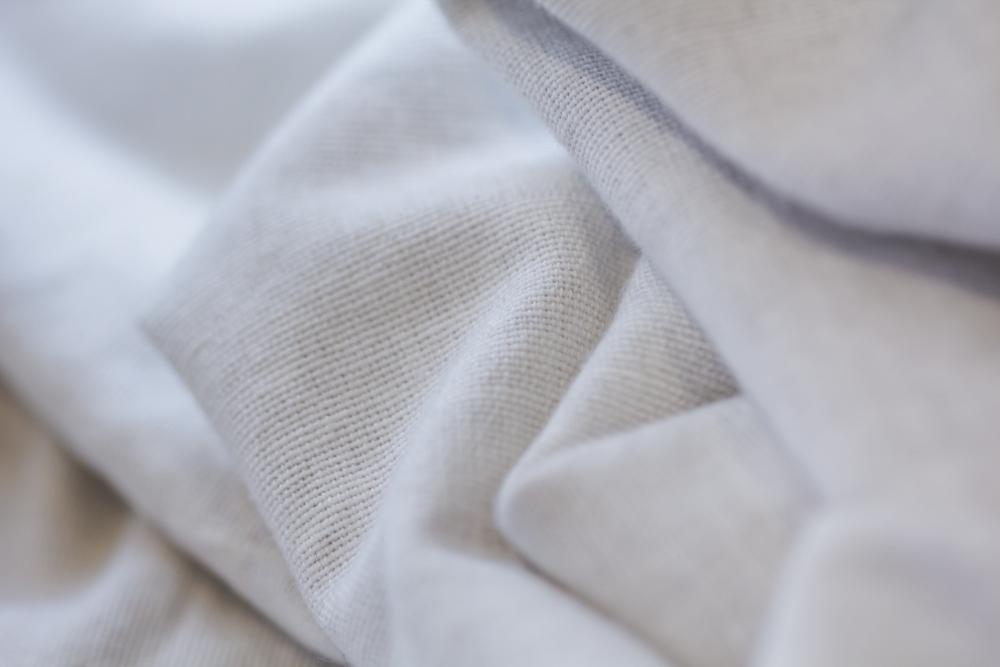
Cotton fabric is one of the most versatile materials for clothing. For shirts, poplin and oxford work best. For dresses, voile and lawn are top picks. For bottomwear, twill and canvas offer the most durability. The right cotton depends on the garment's structure, weight, and intended use.
Cotton has been a wardrobe staple for centuries—and for good reason. It breathes, it lasts, and it works across a wide range of garments. From a crisp dress shirt to a flowing summer dress to sturdy trousers, cotton fabric adapts to what you need it to do.
But not all cotton is the same. The weave, weight, and finish of a fabric determine how it looks, feels, and performs. Choosing the wrong type can mean a shirt that wrinkles too easily or a dress that doesn't drape right. This guide breaks down the best cotton fabrics by garment type—so you can make smarter choices for your next project or purchase.
Why Choose Cotton Fabric?
Comfort and breathability
Cotton is naturally breathable, which makes it comfortable across seasons. It absorbs moisture and allows air to circulate, keeping the body cool in warm weather. Unlike synthetic fabrics, cotton doesn't trap heat or cause skin irritation.
Durability and ease of care
Cotton fabric holds up well with regular washing and daily wear. Most cotton garments are machine washable, which makes maintenance simple. Higher-quality weaves become softer over time without losing their structure.
Versatility in weaving and finishes
Cotton can be woven in dozens of ways—fine and sheer, dense and heavy, smooth or textured. Manufacturers also apply finishes like mercerization (which adds sheen and strength) or pre-washing (which reduces shrinkage). This flexibility makes cotton suitable for almost any garment type.
Best Cotton Fabrics for Shirts
Poplin: Crisp and smooth
Poplin has a tight, plain weave that produces a smooth, crisp surface. It holds its shape well and is lightweight enough for year-round wear. Dress shirts made from poplin look polished and resist wrinkling better than loosely woven alternatives.
Broadcloth: Fine and soft
Broadcloth is a finer, softer version of poplin. It has a subtle sheen and a dense weave, which makes it feel premium against the skin. It's commonly used in formal and dress shirts.
Oxford: Durable and textured
Oxford cloth uses a basket weave that creates a slightly textured surface. It's heavier than poplin, which makes it more casual in look but more durable in use. Button-down and casual business shirts often use oxford weave.
Chambray: Lightweight and denim-like
Chambray mimics the look of denim but is significantly lighter. It uses a plain weave with colored warp and white weft threads, giving it a subtle texture. It works well for casual shirts and warm-weather wear.
Best Cotton Fabrics for Dresses
Voile: Sheer and delicate
Voile is a thin, semi-sheer fabric with a soft drape. It's ideal for flowy, layered dresses and summer styles. Because of its light weight, it pairs well with linings or works as an overlay.
Lawn: Lightweight and smooth
Lawn is a finely woven cotton with a smooth finish and subtle crispness. It holds prints well and is often used in floral dresses and children's clothing. Despite being lightweight, it has a tight weave that gives it structure.
Sateen: Soft and lustrous
Sateen uses a satin weave applied to cotton threads, resulting in a soft, slightly glossy fabric. It has more body than voile or lawn, which makes it suitable for more structured dress styles.
Shirting cottons: Structured yet comfortable
Shirting cottons—including poplin and broadcloth—also work well for shirt dresses and tailored dress styles. Their structure holds seams cleanly and gives the garment a neat, put-together look.
Best Cotton Fabrics for Bottomwear
Twill: Strong and classic
Twill weave creates diagonal lines in the fabric, which adds strength and flexibility. Denim and chino are both twill-woven cotton fabrics. Twill bottomwear resists wear and tear, making it a reliable choice for everyday trousers, jeans, and shorts.
Duck: Heavy-duty and dense
Duck fabric is a heavy, tightly woven cotton known for its durability. It's used in workwear, cargo pants, and structured trousers that need to hold up under pressure. Its weight gives it a stiff hand that softens with wear.
Canvas: Sturdy and versatile
Canvas is similar to duck but slightly lighter. It works well for utility bottoms, casual pants, and even bags. Canvas cotton holds dye well and resists abrasion, which extends the life of the garment.
How to Select Quality Cotton Fabric
Thread count and weave
Thread count refers to the number of threads per square inch. A higher thread count generally means a finer, softer fabric. However, the weave matters just as much. A tightly woven fabric with a moderate thread count can outperform a loosely woven fabric with a high thread count.
Organic vs. conventional cotton
Organic cotton is grown without synthetic pesticides or fertilizers. It tends to be softer and is a better option for those with sensitive skin. Conventional cotton is more widely available and often less expensive, but its production has a higher environmental footprint.
Considering the garment's purpose
Match the fabric weight and weave to the garment's function. Lightweight fabrics like voile and lawn suit warm-weather or layered styles. Heavier weaves like twill and duck suit garments that need to hold their shape under regular use.
Where to Buy Cotton Fabric Online
Buying fabric online saves time and gives you access to a much wider range of options than most local stores carry. You can compare weights, weaves, and finishes side by side, request swatches before committing to a bulk order, and have fabric delivered directly to your studio or home.
For both local and online sourcing, Fabriclore Pvt Ltd stands out as one of the most reliable options in India and globally. Fabriclore carries 5,000+ base fabrics and supports everything from small sample orders to industrial-scale bulk production of up to 20 lakh meters per month. Their platform is built for fashion businesses, private labels, and designers who need quality, consistency, and speed.
Fabriclore also offers customized dyeing, printing, and design services at low minimum order quantities (MOQs)—which makes them a practical choice for brands that want flexibility without sacrificing quality. Trusted by 400+ private labels globally, they operate with full ERP transparency and on-site quality assurance at partner mills.
Whether you need a few meters of poplin for a small batch or thousands of meters of twill for a production run, Fabriclore makes it straightforward to buy fabric online with confidence.
Make Your Next Garment Count
Cotton fabric gives you more options than almost any other material. The key is knowing which type suits your garment. Poplin and oxford for structured shirts. Voile and lawn for light, flowing dresses. Twill and canvas for durable bottomwear.
Take time to match the weave and weight to what you're making—and source from suppliers who prioritize quality. If you're ready to buy fabric online, start with a trusted platform like Fabriclore Pvt Ltd, where range, quality, and service come together in one place.
Frequently Asked Questions
What is the best cotton fabric for everyday shirts?
Poplin and oxford are the most practical choices for everyday shirts. Poplin is smooth, lightweight, and wrinkle-resistant, making it suitable for both formal and casual wear. Oxford cloth is slightly heavier and more textured, which gives it a relaxed, durable quality ideal for casual button-downs.
Which cotton fabric works best for summer dresses?
Voile and lawn are the best options for summer dresses. Both are lightweight, breathable, and comfortable in warm weather. Lawn has a slightly crisper finish, while voile is softer and more flowing. Both fabrics hold prints well.
Is cotton fabric good for bottomwear like trousers and jeans?
Yes. Twill-woven cotton fabrics—including denim and chino—are the standard for trousers and jeans. Twill is strong, flexible, and comfortable with regular wear. For heavier-duty bottomwear, duck and canvas offer more structure and abrasion resistance.
What is the difference between organic and conventional cotton fabric?
Organic cotton is grown without synthetic pesticides or fertilizers, making it softer and more suitable for sensitive skin. Conventional cotton is more widely produced and generally less expensive. For garments worn close to the skin—like shirts and dresses—organic cotton is worth considering.
Where can I buy quality cotton fabric online in India?
Fabriclore Pvt Ltd is one of the most reliable platforms to buy fabric online in India. They offer 5,000+ fabrics, low MOQs, custom printing and dyeing, and bulk production capacity up to 20 lakh meters per month. They serve both individual designers and large fashion brands globally.
How do I know if a cotton fabric is high quality?
Check the thread count, weave tightness, and finish. High-quality cotton feels smooth and uniform, with no loose threads or thin spots. Mercerized cotton has added sheen and strength. Always request a swatch before placing a large order to assess the hand feel and weight in person.