
Introduction
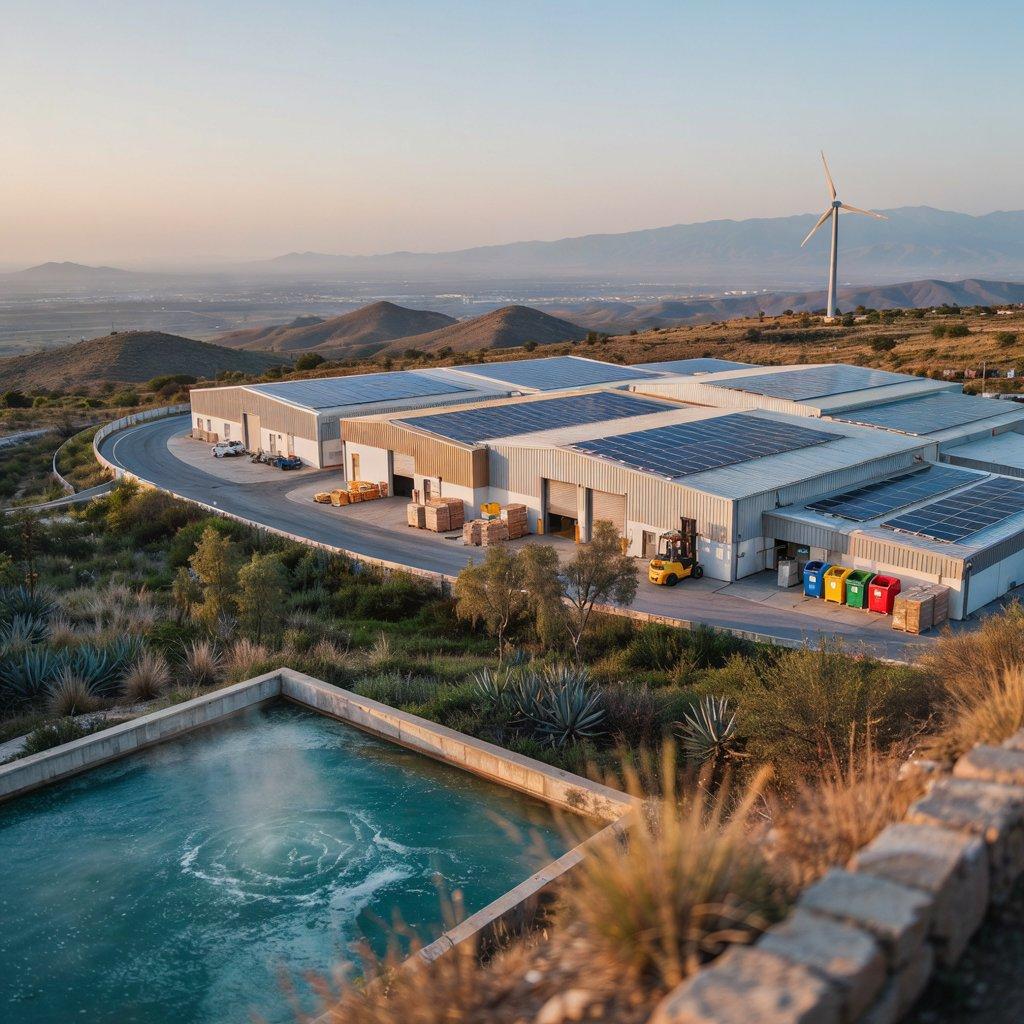
Mexico has become one of the world's most important manufacturing destinations, particularly as companies adopt nearshoring strategies to strengthen supply chain resilience and improve access to North American markets. Industries such as automotive, aerospace, electronics, medical devices, and consumer goods continue expanding their manufacturing footprint across the country. At the same time, growing industrial activity has increased the importance of sustainable development, environmental stewardship, and responsible resource management.
For foreign original equipment manufacturers (OEMs), sustainability in Mexico extends beyond environmental responsibility. It directly influences regulatory compliance, supplier reliability, operational continuity, and long-term investment decisions. Mexico's approach to balancing industrial growth with environmental protection combines national environmental legislation, regulatory oversight, and international trade commitments. Understanding this evolving strategy helps procurement teams and supply chain professionals identify manufacturing partners capable of meeting both production objectives and modern sustainability expectations.
Mexico's Approach to Sustainable Industrial Development
Sustainable development in Mexico focuses on promoting economic growth while protecting natural resources and reducing environmental impacts associated with industrial expansion. Rather than viewing manufacturing and environmental protection as competing priorities, national policy increasingly emphasizes their integration.
As manufacturing investment grows through nearshoring, federal agencies have expanded efforts to strengthen environmental governance across industrial sectors. Companies establishing new facilities or expanding existing operations are generally expected to consider environmental impacts throughout planning, construction, and ongoing production activities.
The Secretariat of Environment and Natural Resources (SEMARNAT) serves as the primary federal authority responsible for developing environmental policies, administering environmental regulations, and overseeing programs that encourage sustainable industrial development. The agency works alongside other governmental organizations to establish standards covering emissions, waste management, natural resource conservation, and environmental permitting.
Water resource management also represents a central component of Mexico's sustainability strategy. The National Water Commission (CONAGUA) regulates industrial water use, wastewater discharge, and water conservation initiatives that support responsible resource management across manufacturing industries.
Together, these institutions help establish the regulatory framework that allows industrial growth while promoting long-term environmental sustainability.
Environmental Regulations Supporting Responsible Manufacturing
Mexico's environmental regulations are designed to ensure that manufacturing growth occurs within clearly defined environmental standards. Although requirements vary depending on industry, facility type, and location, several common areas receive particular attention.
Environmental impact assessments are often required for projects that may significantly affect surrounding ecosystems. These evaluations help identify potential environmental risks before industrial activities begin and encourage mitigation planning during project development.
Waste management regulations establish requirements for handling, transporting, storing, recycling, and disposing of industrial waste, including hazardous materials. Proper documentation and traceability are important elements of regulatory compliance.
Air quality regulations require applicable facilities to monitor emissions, maintain pollution control equipment, and comply with established environmental standards. Similarly, water regulations govern industrial water withdrawals, wastewater treatment, and discharge practices where applicable.
Environmental inspections conducted by the Federal Attorney for Environmental Protection (PROFEPA) help verify compliance with federal environmental legislation. Companies are expected to maintain appropriate records demonstrating adherence to applicable requirements.
For foreign manufacturers and procurement teams, familiarity with these regulatory expectations provides valuable context when evaluating potential suppliers and production partners.
Why Sustainability Matters to Global Supply Chains
Environmental regulation in Mexico has become a significant consideration within modern supply chain management. Procurement decisions increasingly account for environmental performance alongside traditional evaluation criteria such as quality, pricing, production capacity, and delivery reliability.
Many multinational OEMs now require suppliers to demonstrate responsible environmental practices through documented policies, environmental management systems, or sustainability reporting. These expectations often extend beyond minimum legal compliance and reflect broader corporate environmental commitments.
Manufacturers with effective sustainability programs may benefit from improved operational efficiency through resource conservation, waste reduction, and better environmental risk management. At the same time, buyers gain greater confidence that suppliers can maintain stable operations while meeting evolving customer expectations.
Environmental performance also contributes to supply chain resilience. Facilities with well-managed environmental programs are generally better prepared for regulatory inspections, changing environmental requirements, and customer audits.
Supplier quality management companies like AMREPMexico, operating in Mexico since 1994, recommend incorporating environmental compliance reviews, sustainability documentation, and resource management practices into standard supplier evaluations.
Best Practices for Evaluating Sustainable Manufacturing Partners
Foreign OEMs sourcing from Mexican manufacturers increasingly recognize the value of incorporating sustainability into supplier qualification processes. Rather than focusing exclusively on legal compliance, many organizations evaluate how environmental responsibility is integrated into daily operations.
A practical supplier assessment often includes reviewing:
-
Environmental permits and regulatory compliance documentation.
-
Waste management and hazardous material handling procedures.
-
Water conservation and wastewater management practices.
-
Air emissions management where applicable.
-
Environmental training and employee awareness programs.
-
Environmental management systems, including alignment with ISO 14001 where appropriate.
Beyond documentation, supplier site visits and periodic audits provide opportunities to verify how environmental policies are implemented in practice. Continuous monitoring helps procurement teams identify emerging risks while supporting long-term supplier improvement.
Organizations that embed sustainability into supplier management often gain greater visibility into operational resilience, regulatory readiness, and overall manufacturing capability.
The Growing Influence of International Sustainability Expectations
Mexico's sustainable development strategy is increasingly influenced by international trade relationships and global corporate sustainability initiatives.
The United States-Mexico-Canada Agreement (USMCA) includes environmental commitments that encourage participating countries to strengthen environmental governance and effectively enforce environmental laws. Although domestic regulations remain the primary compliance requirement for manufacturers operating in Mexico, international trade agreements reinforce the importance of responsible environmental practices throughout North American supply chains.
At the same time, multinational companies continue expanding sustainability reporting initiatives covering greenhouse gas emissions, responsible sourcing, water stewardship, and environmental risk management. These evolving expectations encourage manufacturers to improve environmental performance while maintaining competitiveness in international markets.
As sustainability becomes more closely integrated with procurement decisions, manufacturers capable of demonstrating both regulatory compliance and proactive environmental management may be better positioned to support long-term customer relationships.
Conclusion
Mexico's sustainable development strategy reflects an ongoing effort to support industrial growth while protecting natural resources and strengthening environmental governance. For foreign OEMs, understanding this balance provides valuable insight when selecting manufacturing partners and managing supply chain risk. Environmental compliance, responsible resource management, and structured sustainability programs have become important indicators of long-term operational capability. By incorporating environmental considerations into supplier evaluation and ongoing performance reviews, businesses can build stronger manufacturing partnerships while supporting responsible industrial development across Mexico. Staying informed about evolving sustainability expectations remains a practical investment for organizations operating within today's global supply chains.