
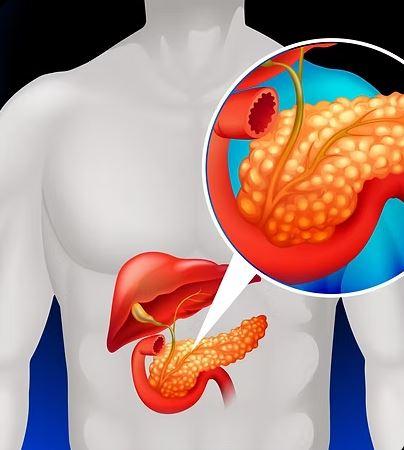
Pancreatic cancer is one of the more complex cancers affecting the digestive system. Although it is less common than several other cancers, it can be challenging to detect during its early stages because symptoms often develop gradually or remain unnoticed until the disease has progressed. Fortunately, advances in diagnostic technology, surgical techniques, and multidisciplinary cancer care have significantly improved treatment options for patients diagnosed with pancreatic cancer Singapore.
Understanding the warning signs, available treatment approaches, and the importance of early specialist consultation allows patients and their families to make informed healthcare decisions. Receiving timely medical evaluation from an experienced team can improve treatment planning and support better long-term outcomes.

What Is Pancreatic Cancer?
The pancreas is an essential organ located behind the stomach. It produces digestive enzymes that help break down food and hormones such as insulin that regulate blood sugar levels. Pancreatic cancer develops when abnormal cells within the pancreas begin growing uncontrollably and form a tumour.
Several types of pancreatic cancer exist, although pancreatic ductal adenocarcinoma is the most common. Treatment recommendations depend on the tumour's size, location, stage, and the patient's overall health.
Common Risk Factors
Although pancreatic cancer may occur without a clear cause, several factors may increase the risk, including:
-
Increasing age
-
Family history of pancreatic cancer
-
Smoking
-
Obesity
-
Chronic pancreatitis
-
Long-standing diabetes
-
Certain inherited genetic conditions
Having one or more risk factors does not necessarily mean someone will develop pancreatic cancer, but awareness can encourage earlier screening and medical evaluation.
Recognizing the Symptoms
One of the greatest challenges with pancreatic cancer is that symptoms may not appear during the early stages.
Early Symptoms May Include
-
Persistent upper abdominal discomfort
-
Back pain
-
Loss of appetite
-
Unexplained weight loss
-
Fatigue
-
Nausea
-
Indigestion
Advanced Symptoms
Jaundice
Yellowing of the skin and eyes may occur if the tumour blocks the bile duct.
Dark Urine and Pale Stools
Changes in bile flow can alter urine and stool colour.
New-Onset Diabetes
In some patients, diabetes may develop shortly before pancreatic cancer is diagnosed.
Any persistent symptoms should be evaluated promptly by a medical professional.
How Pancreatic Cancer Is Diagnosed
Early diagnosis plays an important role in determining the most appropriate treatment plan.
Medical Assessment
The evaluation usually begins with a detailed medical history and physical examination.
Diagnostic Imaging
Depending on clinical findings, doctors may recommend:
CT Scan
Provides detailed images of the pancreas and surrounding structures.
MRI Scan
Offers additional information about soft tissues and tumour involvement.
Endoscopic Ultrasound (EUS)
Allows close examination of the pancreas and enables tissue sampling when necessary.
Biopsy
A tissue sample may be collected to confirm the diagnosis before treatment planning.
Treatment Options for Pancreatic Cancer
Treatment depends on several factors, including cancer stage, tumour location, and overall patient health.
Surgery
For eligible patients, surgery remains one of the most effective treatment options.
Common procedures include:
-
Whipple procedure
-
Distal pancreatectomy
-
Total pancreatectomy
The choice of operation depends on where the tumour is located within the pancreas.
Chemotherapy
Chemotherapy may be recommended before surgery, after surgery, or as the primary treatment when surgery is not appropriate.
Radiation Therapy
Radiation may help reduce tumour size or relieve symptoms in selected patients.
Multidisciplinary Care
Optimal treatment often involves collaboration between surgeons, oncologists, gastroenterologists, radiologists, pathologists, and specialist nurses to provide comprehensive patient care.
Why Early Specialist Consultation Matters
Early evaluation by an experienced pancreatic specialist offers several important advantages.
Individualised Treatment Planning
Every patient receives recommendations based on their unique diagnosis and medical condition.
Access to Advanced Surgical Techniques
Modern pancreatic surgery focuses on improving precision, reducing complications, and supporting faster recovery where appropriate.
Comprehensive Follow-Up Care
Long-term monitoring helps assess recovery, manage ongoing treatment, and detect recurrence if necessary.
Living Well During Treatment
Patients can support their treatment journey through healthy lifestyle habits.
Nutrition
Maintaining good nutrition helps support healing and overall strength.
Physical Activity
Light physical activity, when recommended by the healthcare team, may improve recovery and overall well-being.
Emotional Support
Cancer treatment can be emotionally challenging. Support from family members, healthcare professionals, and counselling services may benefit many patients.
At ALPS Clinic, patients receive personalised evaluations and evidence-based treatment recommendations for pancreatic conditions. The multidisciplinary approach focuses on accurate diagnosis, advanced surgical expertise, and comprehensive care tailored to each patient's individual needs.
The experienced team at ALPS Clinic works closely with every patient throughout diagnosis, treatment, and follow-up, ensuring informed decision-making while supporting the best possible clinical outcomes.
Conclusion
Understanding pancreatic cancer Singapore is an important first step toward early diagnosis and effective treatment. Although pancreatic cancer remains a complex disease, significant advances in imaging, surgery, chemotherapy, and multidisciplinary care have improved treatment possibilities for many patients.
Seeking timely medical attention for persistent symptoms and consulting an experienced specialist can lead to earlier diagnosis and more personalised treatment planning. With comprehensive medical care, advanced surgical options, and ongoing support, patients can approach their treatment journey with greater confidence and hope.
Source From : Pancreatic Cancer Singapore: Choosing the Right Treatment for Better Outcomes