
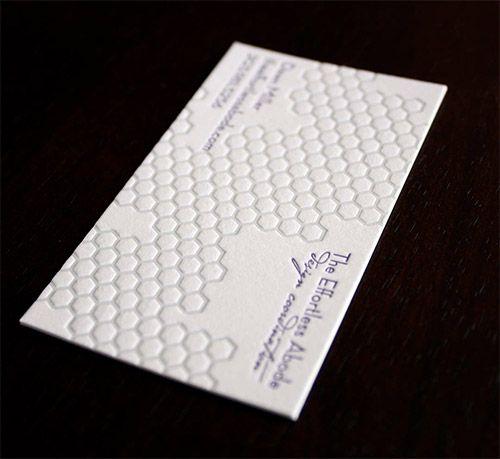
Brand recognition is built through consistent, repeated sensory exposure. Most businesses focus exclusively on visual brand elements like color and logo. But texture is an equally powerful and deeply underutilized brand recognition tool. The way your business card feels communicates your brand identity immediately and instinctively. A textured card creates a sensory experience that recipients remember more durably. Understanding the power of texture helps you leverage it for stronger brand recognition.
Why Texture Creates Stronger Brand Memories
Human memory is profoundly influenced by multisensory experience. Experiences that engage multiple senses simultaneously are encoded more durably. A business card that both looks and feels exceptional creates a multisensory brand moment. The visual and tactile experiences reinforce each other to create compounding memory impact. This multisensory reinforcement is why textured cards are remembered far longer. Brands that engage touch alongside vision create measurably stronger recognition outcomes.
The Neuroscience of Touch and Brand Association
The sense of touch processes information with remarkable speed and emotional depth. When we hold something, we form immediate quality judgments at a subconscious level. These tactile quality judgments are remarkably consistent across diverse people and cultures. Smooth, heavy, and velvety textures universally signal premium quality and professional investment. Rough, thin, or flimsy textures trigger equally universal negative quality judgments. This neurological consistency makes texture a highly predictable and controllable branding tool.
Tactile Memory vs. Visual Memory in Brand Recall
Research in sensory marketing confirms that tactile memories are especially durable. Visual brand experiences fade relatively quickly in competitive visual environments. A tactile brand experience creates a physical memory trace tied to emotional experience. When a recipient encounters your brand again, the tactile memory resurfaces unconsciously. This unconscious recall contributes to brand recognition without requiring deliberate effort. Textured business cards tap into this powerful tactile memory system deliberately and effectively.
Types of Texture That Enhance Business Cards
Different textures communicate different brand values and professional personality dimensions. Understanding the sensory and emotional qualities of each texture guides intelligent selection. The right texture choice reinforces your brand identity at every networking interaction. A mismatch between texture and brand values creates a subtly confusing impression. Every texture decision should serve and authentically represent your brand identity.
Paper Stock Textures and Their Brand Communication
Linen-textured cardstock has a distinctive woven pattern that communicates heritage and craft. Cotton paper offers a warm, soft texture that feels distinctly personal and luxurious. Laid paper with subtle horizontal lines communicates distinguished, classical brand identity. Smooth, heavily coated stock communicates precision, modernity, and contemporary professional excellence. Kraft paper offers a natural, earthy texture that communicates authenticity and sustainability. Each paper texture sends a specific, consistent message about your brand's character.
Applied Finishes That Create Premium Texture
Applied finishes transform the surface texture of a business card dramatically. Soft-touch laminate creates a velvety surface that immediately communicates premium quality. Matte laminate produces a smooth, non-reflective surface with quiet professional sophistication. Spot UV applies selective gloss coating that creates compelling tactile contrast against matte backgrounds. Aqueous coating adds a subtle protective sheen with a clean, professional feel. Choosing the right applied finish multiplies the tactile impact of your card design significantly.
Embossing as the Ultimate Texture Branding Tool
Embossing is the most powerful texture technique available in business card production. It creates three-dimensional, sculptural relief that is simultaneously visual and tactile. Recipients instinctively run their fingers over embossed elements when they receive a card. This physical interaction creates an intimate, tactile brand engagement that is deeply memorable. Embossing communicates substance, craftsmanship, and confident professional investment. No other texture technique creates this level of physical brand engagement and lasting memory.
How Embossing Communicates Brand Sophistication
An embossed logo on a business card creates an immediate impression of brand sophistication. The raised design element invites closer visual and physical examination of the card. This examination deepens the recipient's engagement with your brand identity significantly. The craftsmanship evident in a well-executed emboss communicates meticulous professional standards. Recipients associate this visible attention to detail with your service quality directly. Embossing communicates that your brand treats every detail — no matter how small — as worthy of investment.
The Refined Power of Blind Embossing
The most sophisticated expression of embossing involves no ink or foil application at all. Blind embossed business cards create a design visible only through light, shadow, and the tactile sense. This restraint communicates a brand confidence that transcends the need for color to communicate. The subtle design rewards recipients who take the time to look and touch carefully. This reward for attention mirrors the experience of engaging with a genuinely premium brand. No texture technique communicates sophisticated brand recognition more quietly or powerfully.
Texture Consistency Across Your Brand Materials
Texture decisions in business cards should align with your broader brand material strategy. Inconsistent texture choices across different materials create a fragmented brand experience. A textured business card paired with smooth, untextured stationery creates visual and tactile dissonance. Recipients sense this inconsistency subconsciously and form less coherent brand memories. Consistent texture language across cards, stationery, and packaging creates powerful brand cohesion. This cohesion is what transforms texture from a single card detail into a comprehensive brand recognition system.
Building a Texture Identity for Your Brand
Creating a consistent texture brand identity begins with a deliberate material strategy. Choose two or three texture elements that authentically represent your brand values and personality. Apply these consistently across every printed brand touchpoint without exception. Document these choices in your brand style guide for organizational consistency. Review and confirm texture choices whenever new brand materials are designed or updated. Consistent texture application over time builds a distinctive, recognizable sensory brand identity.
Investing in Textured Cards for Long-Term Recognition
Textured business cards represent a modest investment with exceptional long-term recognition returns. A single textured card generates a stronger, more durable brand impression than dozens of standard alternatives. Recipients keep textured cards longer because they are reluctant to discard something that feels valuable. Longer retention means more repeated exposures to your brand identity over time. Each repeated exposure deepens brand familiarity and strengthens recognition in purchasing contexts. The long-term recognition return on textured card investment consistently exceeds that of standard alternatives.