
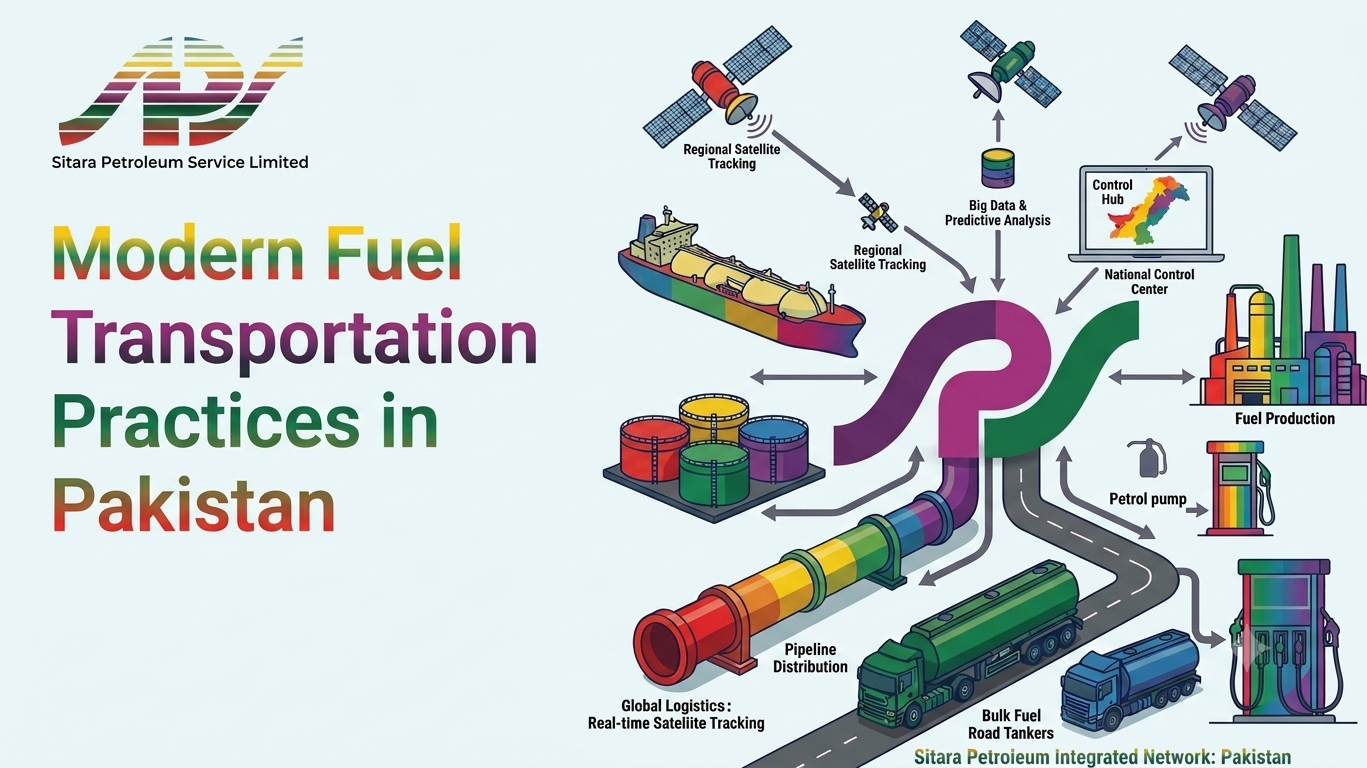
Fuel transportation in Pakistan has changed a lot over the past decade. What used to be a simple truck-based system moving petrol and diesel from refineries to pumps has now grown into a mix of road tankers, pipelines, and digital tracking tools working together. This shift matters to everyone, from the petroleum companies in Pakistan managing supply down to the person filling up at their local pump. In this blog, we will look at how fuel actually moves across the country today and what has changed to make that movement safer and more reliable.
Road Tankers: Backbone of Fuel Transport in Pakistan
Even with new technology and pipeline expansion, Fuel Transportation by road remains the most common method used across Pakistan. Tankers, also called bowsers, carry petrol, diesel, and other refined products from storage terminals directly to petrol pumps and petrol stations in cities, towns, and rural areas that pipelines simply cannot reach. Road transport gives companies the flexibility to deliver fuel wherever it is needed, on short notice, without depending on fixed pipeline routes.
This flexibility comes with its own set of demands, though. Tanker fleets need constant maintenance, trained drivers, and route planning to avoid delays caused by traffic or poor road conditions. Companies that manage this well are usually the ones whose petrol pumps rarely run into stock issues.
Rise of Pipeline Transport for Fuel Movement
Pipelines are quietly becoming a bigger part of how fuel moves in Pakistan, especially for long-distance transport. The White Oil Pipeline, which connects Karachi to up-country locations like Mehmoodkot and onward toward Faisalabad, now carries a large share of the diesel and petrol consumed in central and northern parts of the country. Moving fuel through a pipeline is cheaper and safer than sending the same volume by road, since it avoids the wear and tear, fuel loss, and accident risk that come with hundreds of tanker trips.
The catch is that pipelines only connect specific points. Once fuel reaches the end of a pipeline, it still needs to be loaded onto tankers for the final stretch to individual fuel stations. This is why pipelines and road transport work side by side rather than replacing one another.
How GPS and Fleet Tracking Are Changing Fuel Delivery
One of the more recent changes in Fuel Logistics is the use of GPS tracking and fleet monitoring systems. Distributors now track their tankers in real time, which helps them plan better routes, catch delays early, and confirm that a delivery actually reached the right station instead of being diverted along the way. This kind of monitoring also helps reduce fuel theft and unauthorized stops, which used to be a common problem on longer routes.
Fleet tracking also feeds into better planning on the business side. When a company can see exactly where every tanker is at any moment, it becomes much easier to predict delivery times and respond quickly if a petrol pump nearby is running low on stock.
Safety Standards and Regulatory Compliance (OGRA) in Fuel Transport
Fuel transport in Pakistan is closely regulated, and for good reason. The Oil and Gas Regulatory Authority sets rules covering tanker conditions, driver qualifications, loading procedures, and general handling of petroleum products during transit. Companies operating tankers are expected to maintain OGRA-compliant vehicles, which means regular inspections, proper valves and seals, and drivers trained specifically for hazardous liquid transport.
These standards exist to prevent leaks, spills, and accidents, all of which can be costly and dangerous when dealing with flammable fuel. Distributors that take these standards seriously tend to build a better reputation over time, since fewer incidents mean more consistent supply to the fuel stations they serve.
Rail Transport's Small But Notable Role in Fuel Movement
Rail is not a major player in Pakistan's fuel transport network, but it still has a role, especially for moving large volumes of fuel oil over long distances. Pakistan Railways operates a limited number of tank wagons for this purpose, though outdated infrastructure and limited locomotive availability keep this option from growing much further.
Compared to road tankers and pipelines, rail transport is used far less, mainly because it cannot offer the same door-to-door flexibility. Even so, it remains a backup option during periods of high demand or when road and pipeline capacity is stretched thin.
Sitara Petroleum: Reliable Fuel Delivery Service Provider
At Sitara Petroleum, we run our own fleet network as part of how we operate as a Fuel Distributor in Pakistan. With more than 60 fuel stations under our name, we depend on well-planned tanker schedules and direct control over our transport to keep fuel moving without unnecessary delays. Since we manage our fleet in-house rather than relying entirely on third-party transport, we can respond faster when a station needs fuel and keep better track of every delivery from storage point to pump.
This approach reflects the same shift happening across the industry, where distributors are moving toward tighter control over their own fuel logistics instead of depending fully on outside vendors. For us, it means petrol pumps under our network stay stocked and deliveries stay on schedule, even during periods of higher demand.
Challenges Still Facing Fuel Transportation in Pakistan
Despite these improvements, fuel transport in the country still faces real challenges. Road infrastructure in several regions remains poor, which slows down tanker movement and increases wear on vehicles. Pakistan's heavy reliance on imported crude and refined fuel also means that international shipping delays or price shocks can affect domestic supply chains, regardless of how efficient local transport becomes.
Fuel theft and adulteration during transit are other ongoing issues, though GPS tracking and stricter compliance checks have helped reduce them in recent years. Addressing these challenges will likely shape how petroleum companies in Pakistan plan their transport networks going forward.
Conclusion
Fuel transportation in Pakistan today looks very different from what it was ten years ago. Road tankers still carry the bulk of the load, but pipelines, GPS tracking, and stricter safety compliance have added layers of reliability that were missing before. Companies like Sitara Petroleum are building on these practices with their own fleet networks to keep fuel stations stocked and deliveries on time. As demand grows and infrastructure continues to improve, fuel transport in Pakistan will likely continue to shift toward faster, safer, and more transparent delivery systems.