
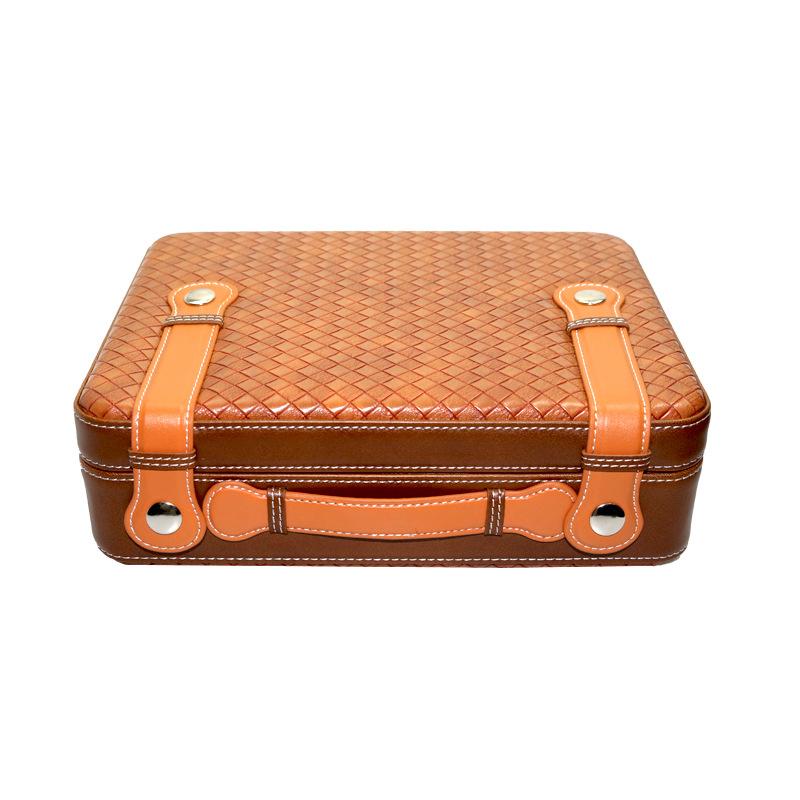
A handmade product carries a story that begins long before it reaches its final owner. From the selection of raw materials to the moment it sits proudly in a collector’s hands, each stage of its journey adds value, meaning, and craftsmanship that mass produced goods simply cannot replicate.
Selecting the Right Materials
The journey of a handmade product often starts with careful material selection. Artisans choose leather, wood, fabric, or metal based on quality, durability, and how well the material will respond to traditional techniques. This early decision shapes the entire outcome of the finished piece, since even exceptional craftsmanship cannot compensate for poor quality materials.
The Hands On Creation Process
Once materials are chosen, the artisan begins the meticulous process of shaping raw components into a finished product. Every cut, stitch, or carve reflects years of practiced skill. Unlike automated manufacturing, handmade production allows for adjustments in real time, letting artisans respond to the unique qualities of each material as they work.
Quality Checks and Finishing Touches
Before a handmade item leaves the workshop, it typically undergoes careful inspection. Artisans examine stitching, joints, and finishes to ensure every detail meets their standards. Small imperfections are often corrected by hand, reinforcing the level of care that distinguishes handmade goods from mass produced alternatives.
Entering the Marketplace
After leaving the workshop, a handmade product often passes through select boutiques, galleries, or direct sales channels that emphasize craftsmanship and authenticity. These venues play an important role in connecting artisans with buyers who value the story and skill behind each piece, rather than simply seeking a functional item.
Becoming Part of a Collection
For some handmade products, the journey continues beyond a single sale. Collectors seek out items with exceptional craftsmanship, rare materials, or historical significance, adding them to curated collections. These pieces often gain additional value over time, not only for their quality but for the story they carry from their original creation.
The Lasting Value of Craftsmanship
As a handmade product ages, its materials often develop character, such as a leather patina or a wood finish deepened by time. This natural aging process reinforces the product’s connection to its origins, reminding collectors of the human hands that shaped it. This lasting value is a key reason handmade goods remain highly regarded within collector communities.