
Introduction
Inventory levels change throughout the year as retailers respond to holidays, seasonal demand, and changing consumer preferences. These shifts also influence the types of products that may appear in Amazon liquidation pallets. Recognizing seasonal inventory trends helps warehouse managers and inventory professionals plan storage space, organize products efficiently, and prepare for changing inventory volumes.
Rather than focusing only on product quantities, understanding seasonal patterns provides valuable insight into how inventory moves through the supply chain.
Why Seasonal Inventory Changes
Retail businesses regularly adjust inventory to prepare for major shopping periods, changing weather conditions, and new product releases. As older inventory is replaced or excess stock accumulates, liquidation channels may receive a wider variety of products.
These seasonal transitions contribute to fluctuations in the types of goods found in mixed pallets.
Examples of Seasonal Product Groups
Different times of the year often bring different categories of inventory.
Examples include:
- Outdoor products during warmer months
- School and office supplies before academic terms
- Holiday decorations toward the end of the year
- Winter clothing and accessories during colder seasons
- Gardening equipment during spring
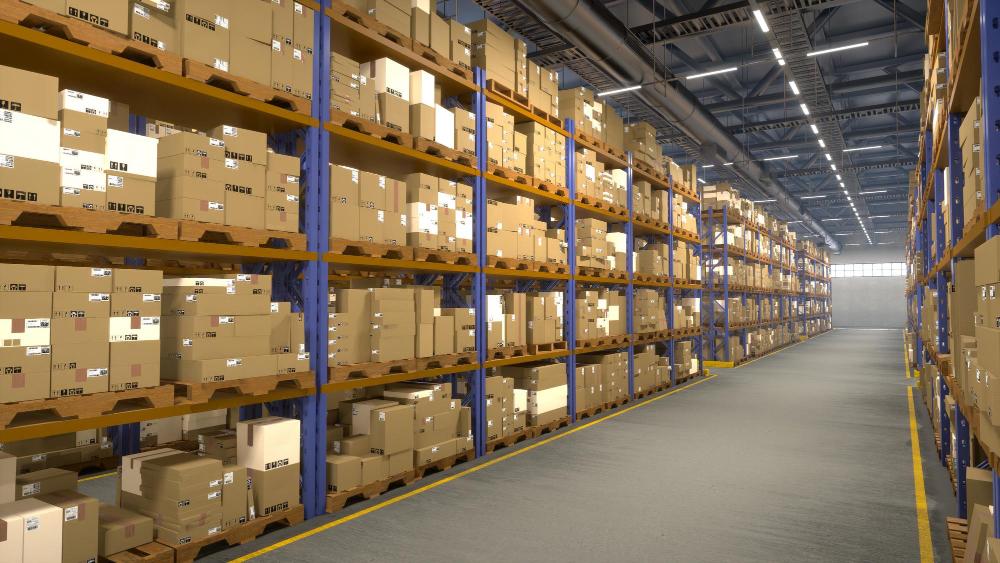
Warehouses that recognize these patterns can organize inventory more efficiently.
Storage Considerations
Seasonal inventory may require temporary storage adjustments. Frequently accessed products can be placed in easily accessible areas, while off-season inventory may be stored in longer-term storage locations.
Clear labeling and accurate inventory records make seasonal transitions easier to manage.
Planning for Inventory Fluctuations
Regular warehouse inspections, inventory forecasting, and flexible storage layouts help facilities adapt to seasonal changes. Monitoring inventory trends over time allows managers to identify recurring patterns and improve operational planning.
Maintaining organized storage areas also reduces unnecessary handling during periods of high inventory activity.