
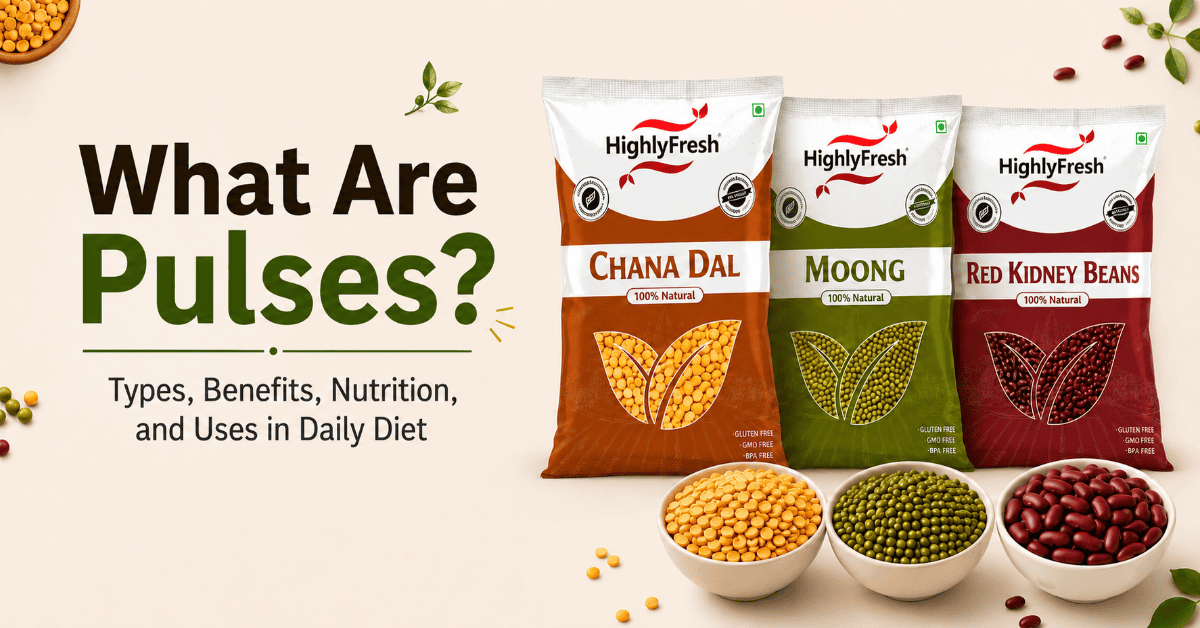
Pulses are one of the most important food ingredients consumed worldwide because of their high nutritional value, affordability, and versatility. They are a natural source of protein, fiber, vitamins, and minerals, making them an essential part of a balanced diet.
From traditional Indian dal to international dishes like soups, salads, and curries, pulses are used in many different cuisines. With growing awareness about healthy eating, the demand for high-quality pulses has increased across global markets.
India is known for producing a wide variety of pulses and supplying them to different countries. As a trusted food supplier, Fortune Exicom focuses on providing quality pulses that meet the requirements of international buyers.
What Are Pulses and Their Benefits?
Pulses are edible seeds obtained from legume plants. They are harvested, dried, and processed before being used for cooking. Common pulses include lentils, chickpeas, beans, peas, and various types of dals.
Unlike many other food products, pulses have a long storage life and can be used throughout the year. They are widely consumed because they provide essential nutrients while being economical and easy to prepare.
The major benefits of pulses include:
- High source of plant-based protein
- Rich dietary fiber content
- Important vitamins and minerals
- Support for healthy digestion
- Suitable for vegetarian and vegan diets
Due to these benefits, pulses are considered an important food choice for families, restaurants, and food manufacturers.
Types of Pulses and Their Nutritional Value
India produces many varieties of pulses, each with different tastes, textures, and uses. Understanding the types of pulses and their nutritional value helps consumers choose the right option for their dietary needs.
| Type of Pulse | Popular Uses | Key Nutrients |
| Moong Dal | Dal, sprouts, soups | Protein, fiber, minerals |
| Toor Dal | Indian dal recipes | Protein, carbohydrates |
| Chana Dal | Curries and snacks | Protein, iron, fiber |
| Chickpeas | Salads, hummus, curries | Protein, vitamins |
| Urad Dal | Idli, dosa, traditional dishes | Protein, calcium |
| Masoor Dal | Soups and daily meals | Protein, folate |
| Kidney Beans | Rice dishes and curries | Fiber, protein |
These different types of pulses available in India are used in homes, restaurants, and food industries worldwide.
What Are the Nutritional Benefits of Pulses and Legumes?
The nutritional benefits of pulses and legumes make them a valuable part of everyday meals.
Rich Source of Protein
Pulses are an excellent source of plant-based protein. They help support daily nutritional requirements and are especially useful for people following vegetarian diets.
High Fiber Content
The fiber present in pulses supports digestion and helps create a balanced diet. Including pulses regularly can improve overall meal quality.
Contains Essential Minerals
Pulses contain nutrients such as iron, magnesium, potassium, and zinc that are important for maintaining normal body functions.
Low Fat Food Option
Most pulses are naturally low in fat, making them suitable for people looking for nutritious food choices.
Why Pulses Are Important for a Healthy Diet?
Many people include pulses in their daily meals because they provide a combination of protein, fiber, and essential nutrients.
The health benefits of eating pulses daily include:
- Supporting digestive health
- Providing long-lasting energy
- Helping maintain balanced nutrition
- Supporting healthy lifestyle choices
- Adding variety to everyday meals
Pulses can be prepared in many ways, making them suitable for different food preferences and cultures.
Indian Pulses and Their Uses in Cooking
Indian pulses and their uses in cooking have been an important part of Indian food traditions for centuries.
Popular uses include:
- Dal served with rice or chapati
- Chickpea curry
- Lentil soups
- Sprouted pulse salads
- Traditional breakfast dishes
- Snacks and ready-to-eat products
The variety of Indian pulses allows food manufacturers and consumers to create different recipes for local and international markets.
How Are Pulses Processed and Packed?
Quality processing is important to maintain the taste, safety, and freshness of pulses. A professional supplier follows proper steps before delivering products to customers.
The process generally includes:
1. Cleaning and Sorting
Raw pulses are cleaned to remove unwanted materials and impurities.
2. Grading
Pulses are graded according to size, quality, and appearance.
3. Quality Inspection
Products are checked to ensure they meet required quality standards.
4. Packaging
Pulses are packed using suitable packaging methods to maintain freshness during storage and transportation.
Understanding how pulses are processed and packed helps buyers select reliable suppliers.
Why Are Indian Pulses Popular in Global Markets?
India has a strong agricultural background and produces a wide range of pulse varieties. The country's experience in farming, processing, and exporting has helped Indian pulses gain recognition worldwide.
An Indian pulses exporter for global markets focuses on delivering quality products while meeting international buyer requirements.
Reasons for the popularity of Indian pulses include:
- Wide range of pulse varieties
- Competitive pricing
- Strong production capabilities
- Quality processing facilities
- Reliable export supply
Selecting the Best Pulses Supplier from India
Businesses looking for bulk quantities need a supplier who can provide consistent quality and reliable service.
The best pulses supplier from India should offer:
- Quality-tested products
- Hygienic processing
- Proper packaging options
- Export experience
- Reliable delivery schedules
- Customer-focused solutions
A trusted supplier helps importers, wholesalers, and retailers maintain product quality for their customers.
Why Select Fortune Exicom for Pulses Supply?
Fortune Exicom provides quality food products for domestic and international markets. With proper sourcing, quality control, and export capabilities, the company supports businesses looking for dependable pulses supply solutions.
By focusing on product quality and customer requirements, Fortune Exicom helps buyers access Indian pulses that meet global market expectations.
Conclusion
Pulses are an important food source that provides essential nutrition, great taste, and flexibility in cooking. Their high protein content, fiber, and wide range of varieties make them valuable for consumers and businesses worldwide.
With strong agricultural resources and advanced food processing capabilities, India has become a trusted source of quality pulses. Companies searching for an experienced Indian pulses exporter or reliable pulses supplier from India can partner with trusted suppliers like Fortune Exicom for consistent quality and dependable supply.
Frequently Asked Questions
1. What are pulses and their benefits?
Pulses are dried seeds from legume plants that provide protein, fiber, vitamins, and minerals. They are an important part of a healthy and balanced diet.
2. What are the most common types of pulses in India?
Common Indian pulses include moong dal, toor dal, chana dal, urad dal, masoor dal, chickpeas, and kidney beans.
3. Are pulses good for daily consumption?
Yes, pulses are suitable for regular consumption because they provide essential nutrients and can be prepared in many different ways.
4. How are pulses prepared for export?
Pulses are cleaned, sorted, graded, inspected, and packed before being supplied to international markets.
5. Why are Indian pulses preferred worldwide?
Indian pulses are preferred because of their variety, nutritional value, quality processing, and reliable availability.