
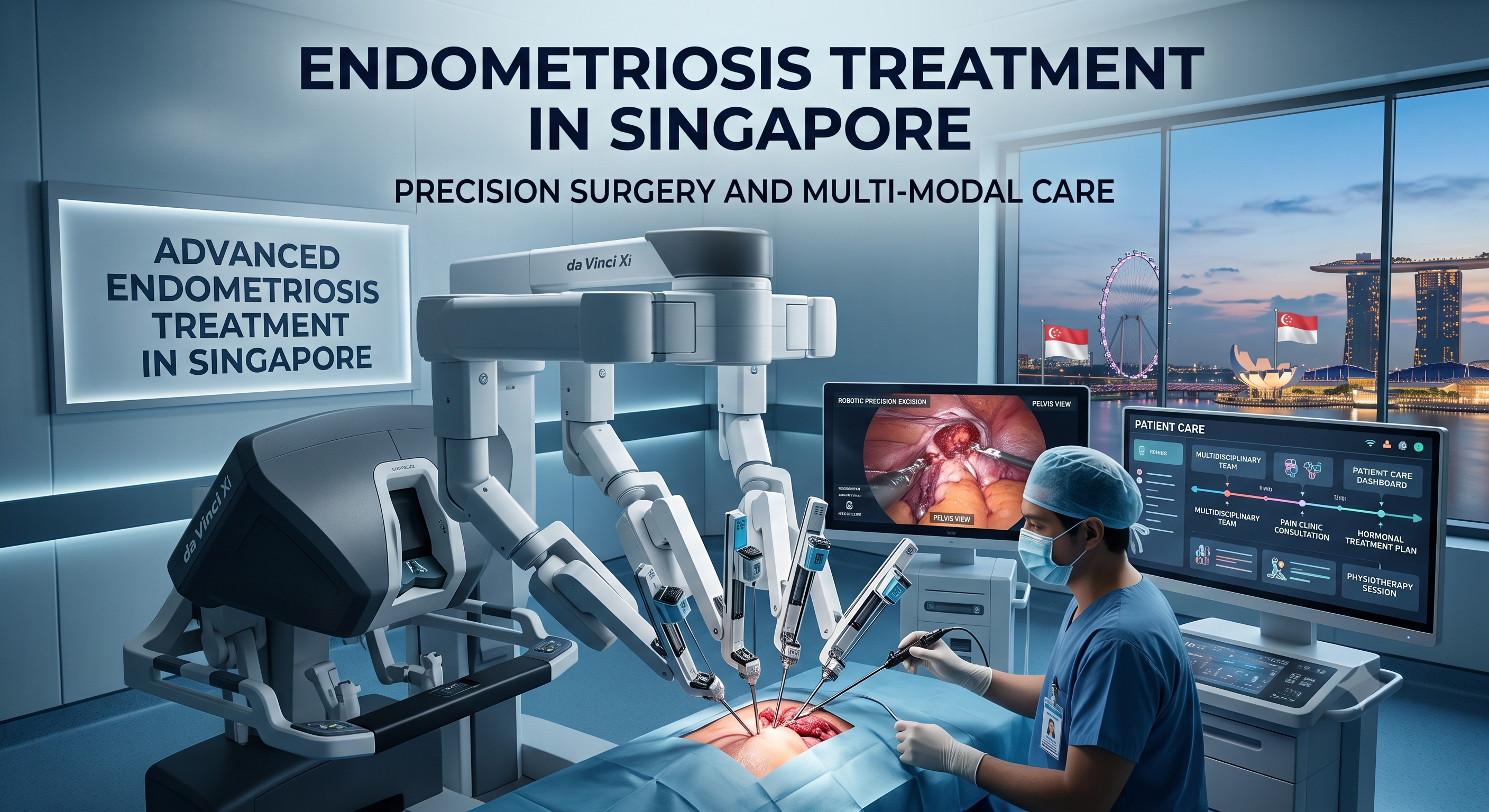
Endometriosis is a chronic gynecological condition that affects millions of women worldwide and can significantly impact daily life, fertility, and emotional well-being. Although it is a common condition, many women experience years of symptoms before receiving an accurate diagnosis. Fortunately, advances in endometriosis treatment in Singapore have made it possible to diagnose the condition earlier and offer personalized treatment plans that relieve pain, preserve fertility, and improve long-term quality of life.
Whether you have recently been diagnosed or have been struggling with unexplained pelvic pain for years, understanding your treatment options is essential. This comprehensive guide explains everything you need to know about endometriosis, including its symptoms, causes, diagnosis, treatment options, recovery, and long-term management.
What Is Endometriosis?
Endometriosis occurs when tissue similar to the lining of the uterus grows outside the uterus. This tissue may develop on the ovaries, fallopian tubes, pelvic lining, bladder, bowel, or other nearby organs.
Like the uterine lining, these growths respond to hormonal changes during each menstrual cycle. However, because they cannot leave the body, they may cause inflammation, internal bleeding, scar tissue, and adhesions that contribute to chronic pain and fertility problems.
Although endometriosis is not cancer, it is a long-term condition that often requires ongoing medical care.
How Common Is Endometriosis?
Endometriosis affects approximately one in ten women of reproductive age. It can occur in teenagers as well as adults and may continue until menopause.
Because symptoms vary greatly, some women remain undiagnosed for many years. Early recognition and specialist care can improve outcomes and reduce long-term complications.
Common Symptoms of Endometriosis
Symptoms differ from one woman to another, and the severity of pain does not always reflect the extent of the disease.
Common symptoms include:
- Severe menstrual cramps
- Chronic pelvic pain
- Pain during or after sexual intercourse
- Pain during bowel movements
- Pain during urination during menstruation
- Heavy menstrual bleeding
- Irregular menstrual cycles
- Lower back pain
- Fatigue
- Bloating
- Digestive discomfort
- Difficulty becoming pregnant
Some women have no noticeable symptoms and only discover the condition during fertility investigations.
Causes and Risk Factors
The exact cause of endometriosis remains unknown, but researchers believe several factors may contribute.
Possible causes include:
- Retrograde menstruation
- Genetic predisposition
- Hormonal influences
- Immune system dysfunction
- Environmental factors
Risk factors may include:
- Family history of endometriosis
- Early onset of menstruation
- Short menstrual cycles
- Heavy menstrual bleeding
- Never having given birth
Understanding these factors helps healthcare providers assess your risk and recommend appropriate evaluations.
Why Early Diagnosis Matters
Receiving an early diagnosis can make a significant difference in symptom management and fertility preservation.
Early diagnosis may help:
- Slow disease progression
- Reduce chronic pain
- Prevent extensive scar tissue formation
- Improve fertility outcomes
- Minimize complications
- Improve overall quality of life
Women experiencing severe menstrual pain should not assume their symptoms are "normal." Persistent pain deserves medical evaluation.
How Endometriosis Is Diagnosed
Diagnosing endometriosis involves several steps.
Medical History
Your doctor will ask about:
- Menstrual patterns
- Pain severity
- Fertility concerns
- Previous surgeries
- Family medical history
Pelvic Examination
A pelvic examination may identify tenderness, ovarian cysts, or abnormalities caused by scar tissue.
Ultrasound
Pelvic ultrasound is commonly used to detect ovarian endometriomas and exclude other gynecological conditions.
MRI Scan
MRI may be recommended when deep infiltrating endometriosis or complex disease is suspected.
Diagnostic Laparoscopy
Laparoscopy is considered the gold standard for diagnosing endometriosis.
Using a small camera inserted through tiny abdominal incisions, the surgeon can:
- Confirm the diagnosis
- Assess disease severity
- Remove visible endometriosis lesions
- Obtain tissue samples when needed
Stages of Endometriosis
Endometriosis is generally classified into four stages:
Stage I – Minimal
Small superficial lesions with minimal scar tissue.
Stage II – Mild
More extensive lesions with limited adhesions.
Stage III – Moderate
Multiple deep implants with scar tissue and ovarian involvement.
Stage IV – Severe
Extensive disease involving multiple pelvic organs with significant adhesions and larger endometriomas.
The stage does not always correspond to the severity of symptoms.
Endometriosis Treatment in Singapore
Modern endometriosis treatment in Singapore focuses on relieving pain, preserving fertility where appropriate, slowing disease progression, and improving overall quality of life.
Treatment is individualized based on:
- Age
- Symptom severity
- Disease stage
- Fertility goals
- Overall health
- Personal preferences
Pain Management
Pain relief is often an important part of treatment.
Your doctor may recommend:
- Nonsteroidal anti-inflammatory drugs (NSAIDs)
- Other prescription pain medications when appropriate
These medications help manage symptoms but do not eliminate endometriosis tissue.
Hormonal Therapy
Hormonal treatments reduce hormonal stimulation of endometriosis lesions and help relieve symptoms.
Common options include:
- Combined oral contraceptive pills
- Progestin-only therapy
- Hormonal intrauterine devices (IUDs)
- Gonadotropin-releasing hormone (GnRH) agonists or antagonists
- Other hormone-based medications
Hormonal therapy is generally recommended for women who are not actively trying to become pregnant.
Laparoscopic Surgery
Minimally invasive laparoscopic surgery remains one of the most effective treatments for moderate to severe endometriosis.
During surgery, your specialist may:
- Remove endometriosis lesions
- Remove ovarian endometriomas
- Release scar tissue and adhesions
- Restore normal pelvic anatomy
Benefits include:
- Smaller incisions
- Faster recovery
- Reduced postoperative pain
- Improved symptom relief
- Better fertility outcomes for selected patients
Fertility Treatment
Endometriosis can affect fertility through inflammation, scarring, and distortion of pelvic anatomy.
Depending on your situation, treatment options may include:
- Laparoscopic surgery
- Ovulation induction
- Intrauterine insemination (IUI)
- In vitro fertilization (IVF)
Your fertility specialist will recommend the most appropriate approach based on your reproductive goals.
Lifestyle Changes That Support Treatment
Medical treatment works best when combined with healthy lifestyle habits.
Helpful strategies include:
- Eating a balanced, anti-inflammatory diet
- Maintaining a healthy body weight
- Exercising regularly
- Prioritizing sleep
- Managing stress
- Avoiding smoking
- Limiting alcohol intake
Although lifestyle changes cannot cure endometriosis, they may help improve overall well-being and reduce symptom severity.
Recovery After Laparoscopic Surgery
Recovery depends on the extent of surgery performed.
Most women experience:
- Mild discomfort during the first few days
- Gradual improvement over one to three weeks after uncomplicated laparoscopic surgery
- Follow-up appointments to monitor healing
- Individualized recommendations for returning to work and exercise
Following your surgeon's postoperative instructions is essential for optimal recovery.
Can Endometriosis Return?
Yes. Endometriosis may recur after surgery or medical treatment.
Recurrence depends on factors such as:
- Age
- Disease severity
- Hormonal influences
- Extent of surgical removal
- Long-term treatment plan
Regular follow-up appointments help monitor symptoms and guide ongoing management.
Emotional Well-Being
Living with chronic pain can affect emotional health.
Women with endometriosis may experience:
- Anxiety
- Depression
- Fatigue
- Relationship challenges
- Reduced quality of life
Supportive care may include:
- Counseling
- Support groups
- Mindfulness techniques
- Stress management
- Mental health support when needed
Addressing emotional health is an important part of comprehensive treatment.
When Should You See a Specialist?
Consult a gynecologist if you experience:
- Severe menstrual pain
- Chronic pelvic pain
- Pain during intercourse
- Heavy menstrual bleeding
- Difficulty becoming pregnant
- Pain during bowel movements
- Symptoms affecting daily activities
Prompt evaluation can lead to earlier diagnosis and more effective treatment.
Questions to Ask Your Doctor
Before starting treatment, consider asking:
- What stage of endometriosis do I have?
- Which treatment is most appropriate for my symptoms?
- Will treatment affect my fertility?
- Do I need surgery?
- What are the risks and benefits of each treatment?
- How likely is the condition to recur?
- What lifestyle changes may help?
- How often should I have follow-up appointments?
Being informed helps you make confident healthcare decisions.
Choosing the Right Endometriosis Specialist in Singapore
Choosing an experienced specialist is one of the most important decisions in your treatment journey.
Look for a gynecologist who offers:
- Expertise in endometriosis diagnosis and management
- Advanced laparoscopic surgical experience
- Personalized treatment plans
- Fertility counseling when appropriate
- Modern diagnostic technology
- Comprehensive follow-up care
- Patient-centered communication
A multidisciplinary approach can provide more comprehensive care, particularly for women with complex or fertility-related concerns.
Living Well with Endometriosis
Although endometriosis is a chronic condition, many women successfully manage it with appropriate medical care and healthy lifestyle habits.
To support long-term wellness:
- Attend regular gynecological appointments
- Follow your treatment plan
- Stay physically active
- Eat a balanced diet
- Manage stress effectively
- Monitor changes in your symptoms
- Seek medical advice if symptoms worsen
Ongoing care can help reduce flare-ups and support overall health.
Conclusion
Endometriosis can affect every aspect of a woman's life, from physical comfort to fertility and emotional well-being. Fortunately, modern endometriosis treatment in Singapore offers a wide range of effective options, including medical therapy, minimally invasive surgery, fertility support, and long-term symptom management.
If you experience persistent pelvic pain, severe menstrual cramps, or difficulty conceiving, don't ignore your symptoms. Consulting an experienced gynecologist early can lead to an accurate diagnosis and a personalized treatment plan that helps you manage the condition effectively. With the right care, many women achieve lasting symptom relief and continue to enjoy active, healthy, and fulfilling lives.