
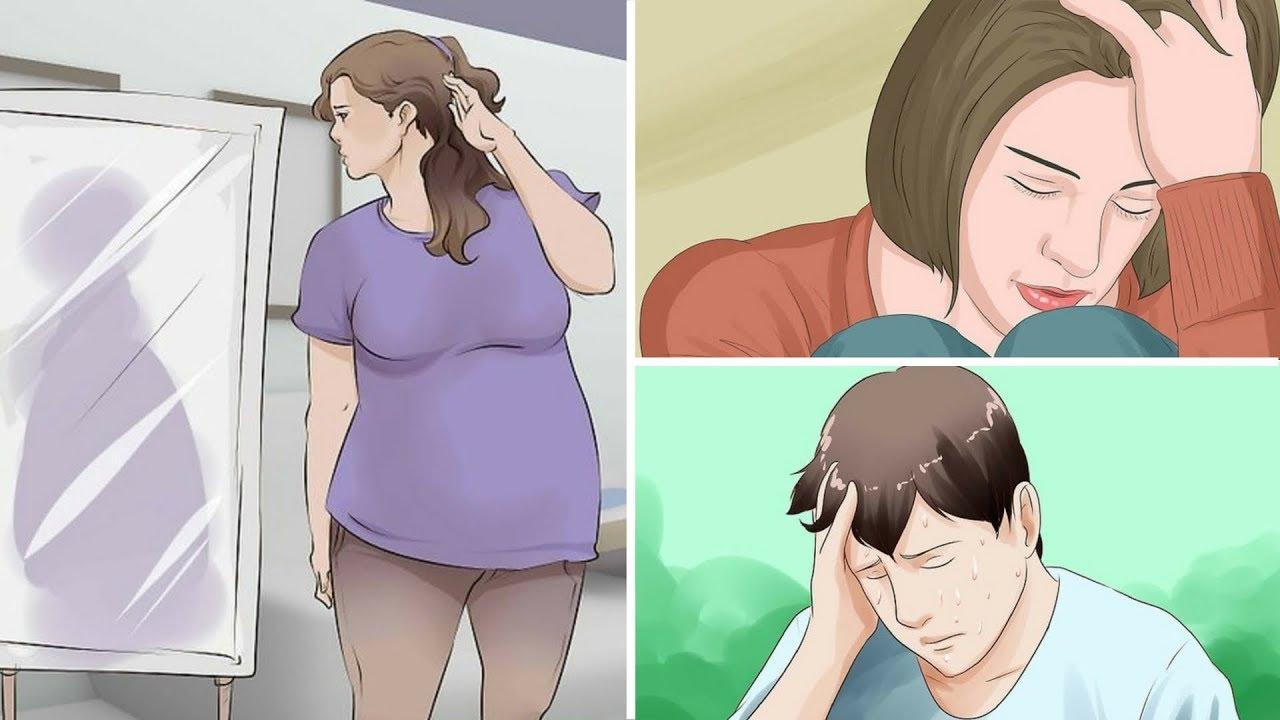
Hormonal imbalance in men develops gradually and is frequently misattributed to stress or aging. The symptoms are real, measurable, and significantly affect quality of life when untreated. Many men live with these symptoms for years before understanding their hormonal origin. Recognition is the critical first step toward getting effective and appropriate medical support. Understanding the most common symptoms helps men take action when it matters most.
Why Men Experience Hormonal Imbalance
Testosterone is the primary hormone governing male physiological and psychological function. Its production peaks in early adulthood and then declines by one to two percent annually. By the mid-40s, many men have levels significantly below their personal optimal range. This gradual decline produces a wide range of symptoms that accumulate over time.
Chronic stress, poor sleep, excess body fat, and nutritional deficiencies all accelerate decline. These lifestyle factors interact with natural aging to compound the hormonal deficit. Environmental estrogens from plastics and certain foods further disrupt male hormonal balance. Understanding these contributors helps men address both the symptoms and their underlying causes.
The Hormonal Cascade Effect
Hormonal imbalance rarely affects just one hormone in isolation. Low testosterone often leads to elevated estrogen through aromatization in fat tissue. This elevated estrogen further suppresses the hypothalamic-pituitary axis and testosterone production. The result is a cascade of dysregulation that worsens over time without intervention.
Cortisol dysregulation from chronic stress adds another layer of hormonal disruption. Elevated cortisol directly suppresses gonadotropin-releasing hormone and testosterone production. The interplay between cortisol, estrogen, and testosterone creates a complex clinical picture. Addressing this cascade requires comprehensive hormonal assessment rather than single-hormone focus.
Physical Symptoms of Hormonal Imbalance
Chronic fatigue is one of the earliest and most universal physical symptoms of hormonal imbalance. Men describe a bone-deep exhaustion that adequate sleep fails to resolve. This fatigue is directly related to testosterone's role in cellular energy production. Red blood cell production decreases with low testosterone, impairing oxygen delivery throughout the body.
Muscle loss and increasing body fat are highly visible physical symptoms of hormonal decline. Men notice that training produces fewer results than it did in earlier years. Body fat accumulates particularly around the abdomen despite unchanged dietary habits. These changes in body composition reflect the anabolic deficit created by low testosterone levels.
Reduced Physical Strength and Performance
Physical strength benchmarks that were previously stable begin declining noticeably. Men find that weights they managed comfortably become increasingly challenging over time. Recovery from physical exertion takes significantly longer than it did in previous years. These performance changes indicate that the hormonal environment no longer adequately supports physical adaptation.
Exercise tolerance also decreases as cardiovascular efficiency is affected by hormonal decline. Men feel winded more easily and sustain intense effort for shorter periods. Athletic pursuits that were previously enjoyable become frustrating due to declining performance. Understanding the hormonal basis of these changes prevents misdirected training responses.
Psychological and Emotional Symptoms
Mood changes are among the most disruptive and least understood hormonal symptoms in men. Irritability that seems disproportionate to its triggers is a classic low-testosterone presentation. Men may feel easily frustrated, emotionally reactive, or shorter-tempered than they recognize in themselves. These mood shifts are directly driven by testosterone's influence on neurochemical balance.
Depression and persistent low mood are significantly associated with testosterone deficiency. Men with low testosterone are more likely to meet clinical criteria for depression. The connection between hormonal health and emotional wellbeing is biologically well-established. Treating the hormonal cause often produces more meaningful mood improvement than antidepressants alone.
Loss of Motivation and Drive
Loss of motivation is a psychologically significant symptom that men frequently report. Goals and ambitions that once generated excitement now feel distant and unimportant. The competitive drive and professional ambition that previously defined them seem to fade. This motivational decline is linked to testosterone's role in dopamine reward pathway function.
Men describe feeling like a diminished version of their former selves. Projects go unfinished, social engagements are avoided, and initiative disappears. Hormone replacement therapy for men frequently restores this motivational drive alongside other improvements. Men who regain their hormonal health often describe reconnecting with ambitions they had long abandoned.
Cognitive Symptoms Worth Noting
Cognitive symptoms of hormonal imbalance are significant but frequently underrecognized. Brain fog, characterized by difficulty concentrating and mental sluggishness, is common. Men struggle to maintain focus on complex tasks that once felt manageable and even enjoyable. This cognitive impairment affects professional performance and daily decision-making meaningfully.
Memory difficulties that are new and unexplained deserve medical evaluation and attention. Forgetting names, misplacing items, and losing train of thought more frequently are notable signs. When these cognitive changes accompany physical and emotional symptoms, the hormonal pattern is clear. Seeking evaluation at this point rather than dismissing symptoms is strongly advisable.
Sleep Disruption and Its Consequences
Poor sleep quality is both a symptom and a worsening factor in male hormonal imbalance. Testosterone is primarily produced during deep sleep stages, making sleep duration critical for hormonal health. Low testosterone is associated with increased incidence of sleep apnea and fragmented sleep. The resulting sleep deprivation further suppresses testosterone in a worsening cycle.
Men who notice significant changes in their sleep quality should consider hormonal evaluation. Waking repeatedly, difficulty falling asleep, and feeling unrested despite sufficient hours are relevant signs. These sleep changes often have a hormonal explanation that lifestyle interventions alone cannot address. Treating the hormonal component frequently produces dramatic improvements in sleep quality.
Sexual Health Symptoms
Sexual symptoms are among the most personally distressing indicators of hormonal imbalance. Reduced libido that develops gradually over months or years is a primary sign. Men notice that sexual interest, which was previously reliable, has quietly diminished. This change is often attributed to relationship dynamics before its hormonal cause is recognized.
Erectile function changes may also reflect declining testosterone levels in some men. While erectile dysfunction has multiple potential causes, hormonal deficiency is a contributing factor. Reduced morning erections are another recognized indicator of declining testosterone activity. Men experiencing both reduced libido and performance difficulties have strong reason for hormonal evaluation.
Conclusion
Hormonal imbalance in men produces diverse symptoms that affect every dimension of daily life. Physical decline, mood changes, cognitive impairment, and sexual health concerns are all common presentations. Recognizing these symptoms as potentially hormonal rather than accepting them as aging is empowering. Seeking professional evaluation and appropriate treatment produces life-changing improvements for most men. Every man experiencing these symptoms deserves access to informed, compassionate, and effective hormonal care.