
Louisiana food culture is celebrated globally for its depth, soul, and complexity. The vibrant streets of the French Quarter in New Orleans echo with the rich history of culinary traditions that have been passed down through generations. To truly understand this world-famous cuisine, one must dive deep into the distinct techniques that define Creole and Cajun cooking styles. For home chefs looking to elevate their kitchen skills, mastering these regional practices unlocks a lifetime of spectacular, comforting meals. Bringing the magic of Louisiana cookery into your own home requires the right approach, accurate methods, and a passion for bold flavor building.
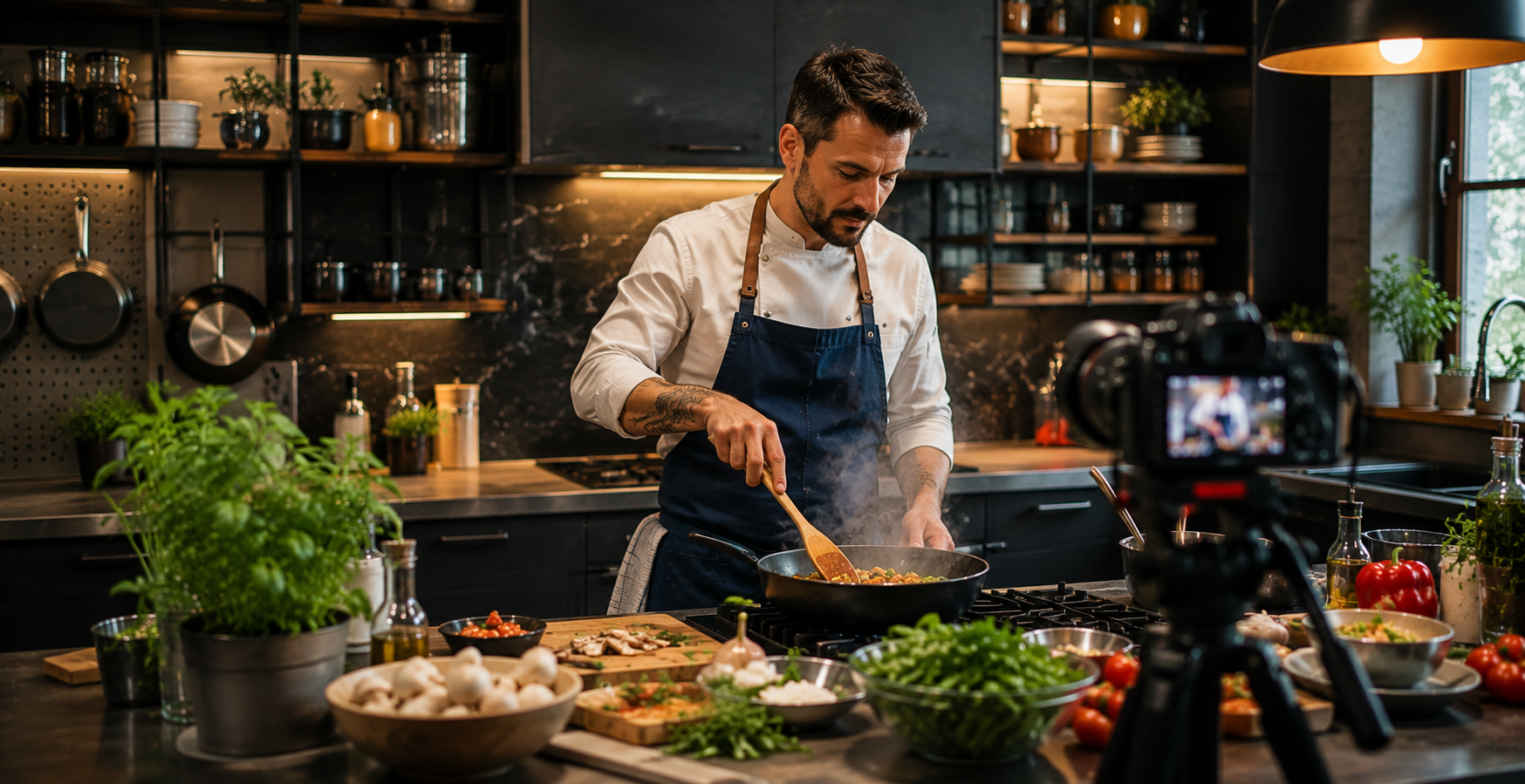
Learning to orchestrate these intricate flavors from scratch might feel intimidating at first glance. However, proper guidance from experienced culinary professionals can seamlessly break down these historic recipes into accessible, step-by-step practices. Whether you are aiming to perfect a deep, dark roux for a hearty gumbo or striving to balance the fiery aromatics of a classic jambalaya, structural guidance is key. Many aspiring cooks discover that participating in a structured cooking session online provides the interactive feedback and professional techniques necessary to replicate these authentic regional masterpieces perfectly in their own home kitchens.
Recreating traditional Southern meals requires a clear understanding of the fundamental ingredients that form the backbone of Louisiana cuisine. Unlike standard modern recipes that rely heavily on quick shortcuts, authentic Creole and Cajun dishes demand patience, precision, and an appreciation for sensory cues. By focusing on essential foundational skills, anyone can transform simple pantry staples into complex, deeply satisfying culinary art. This comprehensive guide explores the essential components, professional methods, and foundational knowledge required to master regional New Orleans cooking styles effortlessly.
The Foundation of Flavor Mastering the Louisiana Roux
A classic roux is the undeniable soul of Louisiana cookery, serving as the essential thickening agent and flavor base for iconic dishes like chicken and andouille sausage gumbo or rich crawfish étouffée. At its core, a roux is a precise mixture of equal parts fat and flour cooked together slowly over steady heat. While traditional French cooking utilizes light, pale rouxs, Louisiana cuisine pushes the boundaries of flour caramelization to achieve deep, robust, and nutty flavor profiles that cannot be replicated by any other method.
The secret to a successful Louisiana roux lies entirely in temperature management and continuous movement. As the flour cooks in the hot oil or butter, it transitions through several distinct visual and aromatic stages, moving from a blonde color to a rich peanut butter shade, and finally to a dark chocolate hue. A dark chocolate roux provides an intense, smoky undertone that defines the character of a true Cajun gumbo. Achieving this depth without burning the flour requires a heavy bottomed skillet, a sturdy wooden spoon, and unwavering patience, as a single burnt speck can ruin the entire batch.
Professional chefs always emphasize that a roux must never be left unattended during the browning process. The moment the desired shade is reached, the cooking process must be halted immediately by introducing the aromatic vegetables. This technique not only lowers the temperature of the pan to prevent the flour from burning but also infuses the fat base with incredible depth. Understanding the subtle transitions of flour caramelization is the first major step toward achieving true authenticity in Southern regional cooking.
The Holy Trinity The Aromatic Backbone of Regional Dishes
In the realm of traditional Louisiana cookery, the combination of onions, celery, and green bell peppers is reverently referred to as the Holy Trinity. This aromatic foundation is the local adaptation of the classic French mirepoix, which traditionally utilizes carrots instead of bell peppers. The substitution of green bell peppers perfectly reflects the agricultural history and flavor preferences of the Gulf Coast region, establishing a distinct flavor profile that is instantly recognizable.
The standard ratio for the Holy Trinity is generally two parts onion, one part celery, and one part green bell pepper. Achieving the perfect texture in a finished dish depends heavily on precise knife skills and uniform cutting. Finely dicing these vegetables ensures that they sweat evenly in the hot fat, releasing their natural sugars and moisture to create a harmonious blend of sweet, earthy, and sharp notes that support the heavier spices later in the recipe.
Sweating the Holy Trinity in a freshly prepared roux allows the vegetables to soften gently without developing their own brown crust. This step forms a crucial flavor matrix, bridging the nuttiness of the caramelized flour with the savory elements of the meats and seafood. Frequently, minced garlic is introduced during the final moments of sweating, adding a warm complexity that rounds out the aromatic profile before any liquids are introduced to the pot.
Creole vs. Cajun Understanding the Core Differences
While the terms Creole and Cajun are frequently used interchangeably by outsiders, they represent two separate culinary cultures with distinct historical roots, ingredients, and preparation styles. Understanding these differences is crucial for anyone looking to respect and accurately reproduce the authentic culinary arts of New Orleans and the surrounding bayous.
In contrast, Cajun cuisine is celebrated as country food, originating from the resourceful Acadian immigrants who settled in the rural bayou regions of Louisiana. Cajun cooking is rustic, hearty, and deeply connected to the land, traditionally prepared in single pot family gatherings. It relies on locally available ingredients, wild game, freshwater seafood, and preserved meats like andouille sausage and tasso pork. Tomatoes are rarely found in authentic Cajun recipes; instead, dishes rely on exceptionally dark rouxs, heavy smoke, and robust animal fats to deliver deep, earthier flavor notes.
Essential Spice Profiles and Seasoning Secrets
The complex heat associated with New Orleans cookery is never about overwhelming the palate with pure capsaicin; instead, it focuses on layering spices to create a multidimensional sensory experience. Authentic seasoning involves a balanced combination of dried herbs, ground peppers, and savory elements that work together to enhance the natural flavors of the main proteins.
A high quality Louisiana spice blend relies on a foundational trinity of ground peppers: black pepper for a slow heat at the back of the throat, white pepper for a sharp note on the tongue, and cayenne pepper for an immediate, warm kick. This combination is paired with dried thyme, oregano, garlic powder, onion powder, and smoked paprika to provide a rich color and subtle wood smoke aroma. Salt is utilized deliberately throughout the cooking process rather than being dumped in at the very end, ensuring every layer of the dish is properly seasoned.
Fresh herbs also play an indispensable role in finishing traditional dishes. Chopped green onions and fresh flat leaf parsley are added during the final minutes of cooking or used as a fresh garnish upon serving. This burst of fresh, raw green flavor cuts beautifully through the rich, heavy textures of stews and rice dishes, providing a necessary brightness that elevates the entire meal.
Iconic Dishes Every Passionate Cook Should Master
To build a well rounded repertoire in Louisiana cookery, there are a few foundational dishes that every aspiring chef should focus on mastering. Each of these recipes utilizes the core techniques of roux construction, aromatic sweating, and flavor layering in slightly different ways, offering a complete education in regional culinary arts.
-
Chicken and Andouille Sausage Gumbo: This dish represents the ultimate test of roux mastery. It demands a dark chocolate roux, a deeply flavorful homemade chicken stock, smoky local sausage, and tender shredded chicken, simmered slowly until the flavors meld into a cohesive, comforting stew served over warm rice.
-
Shrimp Étouffée: A classic smothered dish that highlights the delicate nature of seafood preparation. Utilizing a rich blonde or peanut butter roux and a robust shrimp shell stock, this recipe gently cooks tender gulf shrimp in a luscious, velvety sauce laced with the Holy Trinity and subtle spices.
-
Authentic Jambalaya: A masterful one pot rice dish that requires precise moisture ratios. Whether preparing a smoky Cajun brown jambalaya or a rich Creole red jambalaya, the key lies in browning the meats thoroughly to develop a deep fond on the bottom of the pot, which then infuses the rice as it absorbs the seasoned broth.
-
New Orleans Style Barbecue Shrimp: Contrary to its name, this iconic dish involves no outdoor grilling. Instead, large head on shrimp are quick cooked in a decadent, peppery butter and Worcestershire sauce reduction, creating a rich sauce that demands plenty of crusty French bread for dipping.
Mastering these individual dishes provides home cooks with a deep, intuitive understanding of how different ingredients interact under varying heat conditions. The skills gained from perfecting a jambalaya or an étouffée easily transfer to other styles of cooking, making you a more versatile and confident chef overall.
Frequently Asked Questions
Can I make an authentic Louisiana roux using gluten free flour?
Yes, you can successfully create a traditional dark roux using high quality gluten free flour blends, particularly those containing rice flour or sweet rice flour. Because gluten free alternatives lack the specific proteins found in wheat flour, the thickening power may vary slightly, but the starch will still caramelize beautifully over low heat to provide that essential nutty flavor and deep color. It is vital to stir continuously, as some alternative flours can burn slightly faster than standard all purpose wheat flour.
What is the difference between a Creole jambalaya and a Cajun jambalaya?
The primary difference between the two styles comes down to the inclusion of tomatoes and the order of preparation. Creole jambalaya incorporates tomatoes or tomato paste, giving the dish a distinct red hue and a slightly sweeter flavor profile. Cajun jambalaya completely omits tomatoes, focusing instead on heavily browning the meats in a cast iron pot to create a dark sediment called fond, which gives the rice its characteristic deep brown color and intensely smoky flavor.
How do I fix a roux if it starts to show small black specks?
If you notice distinct black specks forming in your roux, it means the flour has burned, and unfortunately, it cannot be saved. Burnt flour introduces a bitter, unpleasant taste that will completely ruin the flavor profile of your entire gumbo or stew. The best course of action is to discard the burnt batch, wipe out your pan completely, adjust your cooktop to a lower heat setting, and start fresh with equal parts fat and flour.
Can I substitute standard green bell peppers with red or yellow bell peppers?
While red and yellow bell peppers are delicious, they contain significantly higher natural sugar content than green bell peppers. Using them in the Holy Trinity will alter the flavor profile by introducing an uncharacteristic sweetness to the dish. Stick to classic green bell peppers to maintain the authentic, slightly bitter, and earthy aromatic foundation that traditional Creole and Cajun recipes require for proper balance.
How far in advance can I prepare a classic gumbo before serving it?
Gumbo is one of those unique dishes that actually tastes significantly better the next day. Allowing the cooked gumbo to rest in the refrigerator overnight gives the complex spices, smoky meats, and rich roux ample time to fully meld together and mature. Simply store the cooled gumbo in an airtight container, refrigerate it for up to three days, and gently reheat it on the stovetop over low heat when you are ready to serve.
Conclusion
Mastering the distinct culinary arts of New Orleans is an incredibly rewarding journey that brings history, culture, and spectacular flavors straight to your dining table. By taking the time to understand the nuances of a dark chocolate roux, respecting the aromatic balance of the Holy Trinity, and recognizing the historical differences between Creole and Cajun cooking, you unlock the ability to create truly authentic Southern masterpieces.
These timeless techniques elevate your everyday kitchen habits, transforming simple ingredients into memorable, soul satisfying feasts that connect people through the universal language of exceptional food.