
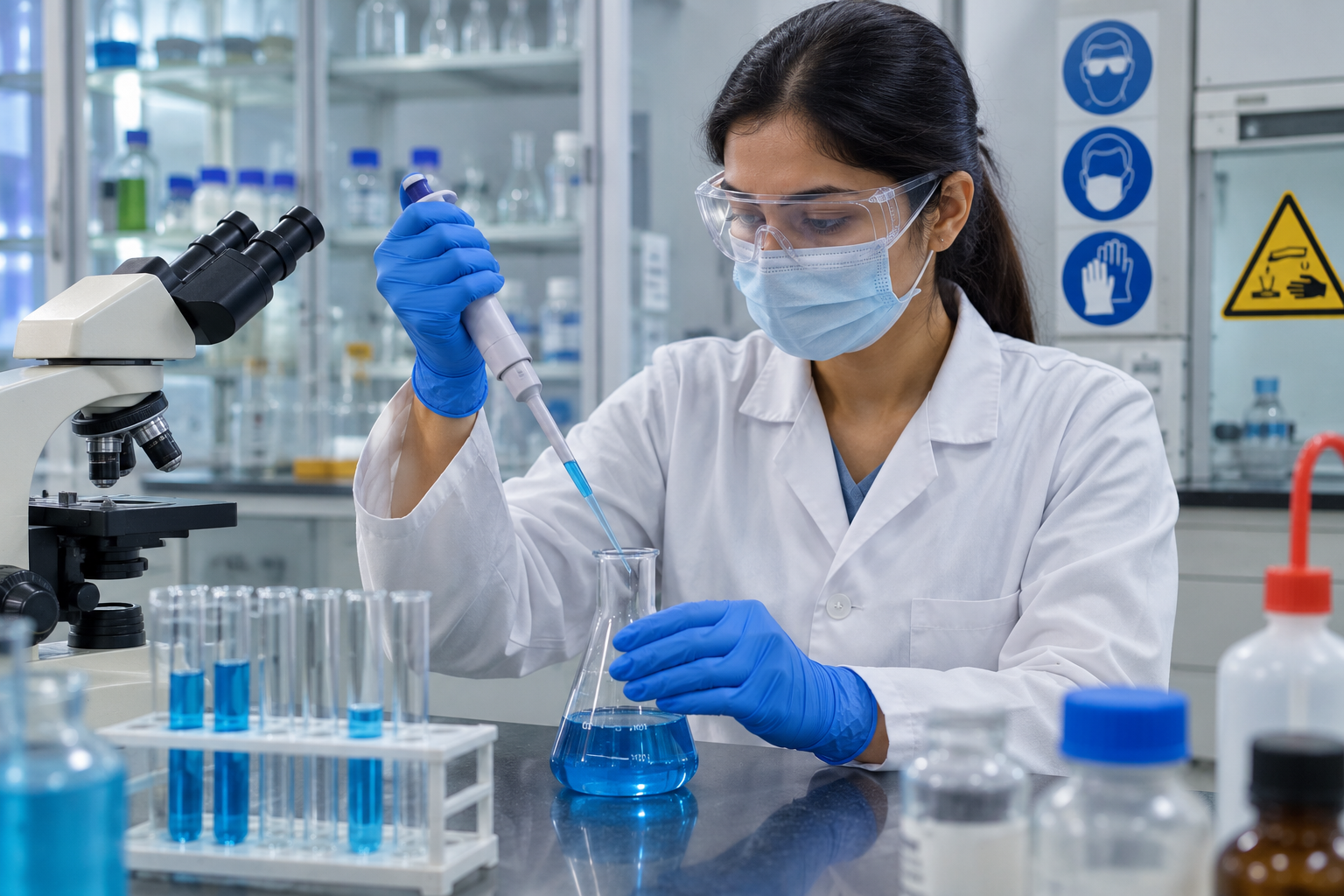
A laboratory is a place where discoveries happen, products are tested, and scientific ideas become practical solutions. Whether you're working in a research center, university, hospital, or industrial facility, safety isn't just another item on a checklist—it's what keeps every experiment running smoothly and every team member protected.
Even experienced professionals can make mistakes when they're in a hurry or become too familiar with routine tasks. A single overlooked precaution can result in damaged laboratory equipment, inaccurate test results, or serious injuries. The good news is that most laboratory accidents are preventable when proper safety practices become part of everyday work.
Understand the Equipment Before You Use It
One of the most common causes of laboratory accidents is using equipment without fully understanding how it operates.
Every instrument, from centrifuges and analytical balances to hot plates and microscopes, has specific operating procedures. Taking a few minutes to review the manufacturer's instructions or receive proper training can prevent costly mistakes.
For example, operating a centrifuge with an unbalanced load may damage the machine and create a significant safety hazard. Similarly, incorrect temperature settings on laboratory ovens can ruin samples and pose fire risks.
Never assume that two machines work the same way simply because they appear similar.
Always Wear the Right Personal Protective Equipment
Personal Protective Equipment (PPE) serves as your first layer of protection against laboratory hazards.
Depending on your work, appropriate PPE may include:
- Safety goggles
- Laboratory coats
- Chemical-resistant gloves
- Face shields
- Respiratory protection
- Closed-toe safety footwear
In Saudi Arabia's industrial laboratories, where chemical testing and manufacturing quality control are common, selecting PPE that matches the specific hazard is essential. Gloves suitable for biological samples may not provide adequate protection against corrosive chemicals.
Inspect your protective equipment regularly and replace damaged items immediately.
Keep Your Workspace Organized
A cluttered laboratory increases the likelihood of accidents.
Loose cables, spilled chemicals, misplaced glassware, and overcrowded workstations can quickly turn a routine task into an emergency.
Develop simple habits that improve safety:
- Return tools after use.
- Clean spills immediately.
- Store chemicals correctly.
- Label containers clearly.
- Keep emergency exits accessible.
A well-organized workspace also improves efficiency by reducing unnecessary interruptions during experiments.
Inspect Laboratory Equipment Before Every Use
Even high-quality laboratory equipment requires regular inspection.
Before starting any procedure, check for:
- Visible damage
- Loose electrical connections
- Cracked glassware
- Calibration status
- Warning indicators
- Leaks or unusual noises
If something doesn't seem right, stop using the equipment until it has been inspected by qualified personnel.
Preventive maintenance is far less expensive than replacing damaged instruments or dealing with workplace injuries.
Handle Chemicals Carefully
Many laboratory accidents involve improper chemical handling rather than faulty equipment.
Always verify chemical labels before use and understand the associated hazards. Safety Data Sheets (SDS) provide valuable information about storage, handling, first-aid procedures, and emergency response.
Never mix chemicals unless the procedure specifically requires it, and always use proper ventilation when working with volatile substances.
Using compatible containers and storage cabinets also reduces the risk of dangerous chemical reactions.
Avoid Distractions During Laboratory Work
Laboratory procedures often require precision and concentration.
Checking your phone, holding unrelated conversations, or rushing through procedures can lead to mistakes that affect both safety and experiment accuracy.
For instance, forgetting to secure a sample before operating a high-speed mixer or leaving heating equipment unattended may have serious consequences.
Creating a focused working environment benefits both individual safety and overall laboratory performance.
Follow Electrical Safety Guidelines
Many laboratories depend on electrically powered instruments.
To minimize electrical risks:
- Keep electrical equipment away from water.
- Avoid overloading power outlets.
- Never handle electrical devices with wet hands.
- Replace damaged cables immediately.
- Disconnect equipment before maintenance.
Routine inspections of electrical systems help reduce the risk of equipment failure and electrical accidents.
Know Emergency Procedures
Even with excellent safety practices, emergencies can still occur.
Every laboratory professional should know the location of:
- Fire extinguishers
- Eyewash stations
- Emergency showers
- First-aid kits
- Emergency exits
- Spill response kits
Regular emergency drills ensure everyone knows how to respond quickly and calmly under pressure.
Preparedness often makes the difference between a minor incident and a major emergency.
Never Skip Equipment Maintenance
Regular servicing keeps laboratory equipment accurate, reliable, and safe.
Calibration ensures precise measurements, while preventive maintenance identifies worn components before they fail unexpectedly.
Many laboratories in Saudi Arabia follow scheduled maintenance programs that comply with international quality standards such as ISO requirements, helping maintain both safety and testing accuracy.
Keeping maintenance records also supports audits and regulatory compliance.
Build a Strong Safety Culture
Laboratory safety isn't solely the responsibility of supervisors.
Every member of the team contributes by following procedures, reporting hazards, and encouraging safe practices among colleagues.
Organizations that invest in regular training sessions and safety awareness programs often experience fewer workplace incidents and greater operational efficiency.
A strong safety culture develops over time through consistent habits rather than occasional reminders.
Conclusion
Safe laboratory practices aren't complicated, but they do require consistency. Understanding your equipment, wearing the correct protective gear, maintaining a clean workspace, handling chemicals responsibly, and staying prepared for emergencies all contribute to a safer working environment.
Whether you're working in a university laboratory, healthcare facility, or industrial testing center in Saudi Arabia, following these precautions helps protect people, preserve valuable laboratory equipment, and ensure reliable results. Safety isn't just about avoiding accidents—it's about creating a workplace where innovation and productivity can thrive with confidence.
Frequently Asked Questions
Why is laboratory equipment training important?
Proper training helps users operate equipment correctly, reduces accidents, protects expensive instruments, and ensures accurate experimental results.
How often should laboratory equipment be inspected?
Basic visual inspections should be performed before each use, while professional maintenance and calibration should follow the manufacturer's recommendations or laboratory schedules.
What should you do if laboratory equipment malfunctions?
Stop using the equipment immediately, disconnect it if safe to do so, report the issue to the appropriate personnel, and never attempt repairs unless you're authorized and trained.