
One of the most sought after treatments in cosmetic dentistry is dental veneers in Turkey is also a very popular research subject for those looking into cosmetic dentistry treatment in Turkey.
Veneers are frequently confused as being only a cosmetic solution; however, they are also time-consuming and require careful clinical planning and, when used conservatively, little modification of natural tooth structure.
In this article, it is all about what veneers are, the conservative and aggressive techniques, and what patients should know before they choose to opt for the porcelain veneers Turkey is offering.
What Dental Veneers Are
A veneer is a thin shell, usually made of porcelain or composite resin, bonded to the front surface of a tooth.
Veneers are used to reshape, colour, lengthen, or realign teeth by replacing only the surface layers.
Veneers importantly differ from crowns:
- A crown covers the entire tooth, requiring more structural reduction
- A veneer covers the front surface primarily, requiring far less reduction when placed conservatively
Types of Dental Veneers
Porcelain Veneers
Porcelain veneers are fabricated in a laboratory or digitally milled, then bonded to the tooth. They are valued for:
- Strong resistance to staining over time
- A translucent, natural appearance similar to enamel
- Long-term durability when properly maintained
Composite Veneers
Composite veneers are built up directly on the tooth by the dentist using resin material. They are:
- Generally more affordable than porcelain
- Completed in a single visit in many cases
- More prone to staining and wear over time compared to porcelain
No-Prep or Minimal-Prep Veneers
Some veneer systems only need to remove a small amount of the natural enamel. They are for particular situations, for example, slightly small or worn teeth and are not suitable for all patients.
What "Conservative" Cosmetic Dentistry Actually Means
Conservative cosmetic dentistry is the type that maintains the maximum amount of natural tooth structure, while creating a desired cosmetic outcome.

Why Tooth Structure Preservation Matters
Enamel does not regenerate. Once it is removed, it is permanently gone. Excessive reduction for veneers can:
- Increase long-term sensitivity
- Weaken the tooth structure over time
- Make the tooth more dependent on the veneer for structural support
- Reduce future treatment options when the veneer eventually needs replacement
When Minimal Preparation Is Appropriate
Minimal or no-prep veneers work best when:
- Teeth are already slightly smaller than average
- Minor shade or shape correction is needed
- The bite allows adequate space without reduction
They don't work well when the teeth are already beautifully proportioned, and would simply become heavy with an un-reduced veneer placed on top, or when there's a lot of repositioning required.
The Veneer Planning Process
A conservative veneer plan typically includes:
- A full clinical examination, including gum health assessment
- Digital smile design or wax-up simulation
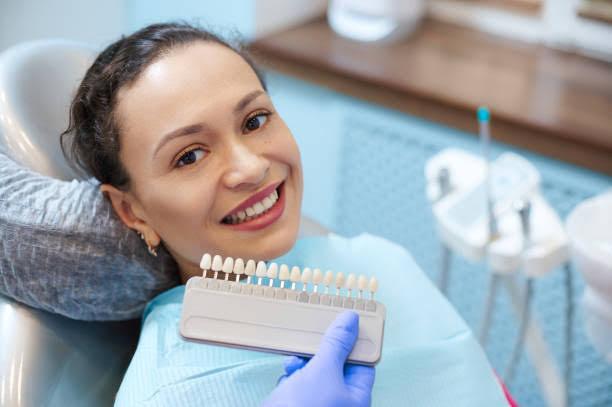
- Shade selection based on facial features and patient preference
- A trial smile, sometimes called a mock-up, placed temporarily
- Minimal, measured tooth preparation only where necessary
- Digital or physical impression for laboratory fabrication
- Fitting and bonding of the final veneers
Why the Mock-Up Stage Matters
A temporary mock-up gives the patient a cosmetic preview of the shape and length of the proposed permanent tooth reduction before it is made.
This step is a hallmark of a conservative, patient-centered approach.
Who Is a Suitable Candidate for Veneers
Veneers are generally considered for patients with:
- Discoloration that does not respond well to whitening
- Minor chips, cracks, or wear on the front teeth
- Small differences between front teeth
- Slightly irregular tooth shape or size
- A desire for a more uniform smile appearance
Veneers are not typically recommended as a first option for patients with:
- Active gum disease that has not been treated
- Significant bite misalignment better addressed with orthodontics first
- Insufficient remaining enamel to support conservative bonding
- Untreated tooth decay beneath the proposed veneer site
Veneers Compared to Alternative Treatment Options
Veneers vs Teeth Whitening
Whitening addresses shade alone and works only on natural tooth structure, not existing restorations.
When a whitening treatment is not enough, veneers can treat a range of conditions including shade, shape and minor alignment.
Veneers vs Orthodontics
When this is the case, orthodontic treatment may create the same aesthetic results without the loss of tooth structure. A short course of orthodontic treatment, prior to veneers specifically, can be performed to decrease the amount of preparation required.
Veneers vs Crowns
Crowns are typically found in teeth that have more extensive structural harms, larger fillings, or when the tooth has been subjected to root canal treatment, because they offer complete coverage and structural support that a veneer does not.
Why an Individualized Recommendation Matters
These options can overlap in some instances, and a dentist should explain why a specific treatment may be recommended for a specific tooth and not an alternative treatment, depending on the condition of the tooth and the patient's aesthetic preferences.
Patient Checklist Before Choosing Veneers
- Confirm whether gum health has been assessed and treated when needed
- Ask whether a mock-up or trial smile will be shown before permanent preparation
- Ask exactly how much enamel reduction is planned, when any
- Confirm the veneer material (porcelain vs composite) and reasoning behind the choice
- Ask about the expected lifespan and warranty terms for the veneers
- Discuss whether orthodontic treatment might reduce the amount of preparation needed
- Request shade matching photographs taken in natural daylight
Recovery Guidance After Veneer Placement
- Mild sensitivity to hot or cold is common for a few days after bonding
- Avoid biting directly into very hard foods, such as ice or hard candy, during the initial adjustment period
- Some patients notice a slight adjustment period in speech, which typically resolves within one to two weeks
- Attend the scheduled follow-up appointment so bite contact can be checked
Aftercare Tips for Long-Term Veneer Care
- Maintain consistent brushing and flossing around veneer margins, where staining and decay can otherwise develop
- Avoid using teeth to open packaging or bite fingernails, which can chip veneer edges
- Wear a night guard when grinding or clenching has been identified
- Attend routine dental check-ups so veneer condition and gum health can be monitored
- Limit prolonged exposure to strong staining agents such as excessive coffee, tea, or tobacco use
Common Mishaps in Veneer Treatment
- Choosing veneers before treating existing gum disease
- Skipping the mock-up or trial smile stage
- Over-reducing enamel when a more conservative approach was possible
- Not addressing bite misalignment that could shorten veneer lifespan
- Selecting shade only from a printed chart rather than natural daylight photographs
- Ignoring grinding habits that place excess force on the new veneers
Key Takeaways
- Veneers are thin shells bonded to the front tooth surface, distinct from full-coverage crowns.
- Conservative veneer treatment prioritizes preserving natural enamel wherever possible.
- A mock-up or trial smile stage allows patients to preview results before permanent preparation.
- Not every patient or tooth is suited to minimal-prep veneers, and suitability should be assessed individually.
- Long-term success depends on gum health, bite stability, and consistent aftercare.
Conclusion
When properly planned, dental veneers can be a means of enhancing the aesthetic appearance of teeth, while maintaining the maximum amount of natural structure.
The difference between a rushed, one-size-fits-all process and a careful one that's been tested with mock-ups is important for the health of your mouth in the long run.
Patients looking for porcelain veneers in Turkey or any other country can find that questioning key aspects of preparation, material selection, and gum health evaluation can be advantageous prior to committing.
Read our latest articles on Why Antalya Has Become One of the Most Popular Destinations for Dental Treatment.
Frequently Asked Questions
1. Are dental veneers permanent?
However, once the enamel is removed and the veneer is placed, there is some permanent alteration of the surface of the tooth, which means that over time, the veneer will require replacement as well, in a span of 10 to 20 years, depending on the material and regular maintenance.
2. Do veneers require removing a lot of tooth enamel?
The conservative veneer methods will try to remove as little or no enamel as possible, depending on the size, position, and the intended result of the tooth.
3. What is the difference between porcelain and composite veneers?
Porcelain veneers are created in a laboratory or milled digitally and typically are more resistant to stains over time, while composite veneers are constructed by the dentist and are usually less expensive and more susceptible to staining and wearing.
4. Can veneers fix crooked teeth?
When there are only minor irregularities in the shape or spacing, veneers may be used, and when there is a major irregularity in alignment, it is best to correct the irregularity using orthodontic treatment first, followed by veneers when necessary.
5. How long do dental veneers typically last?
Porcelain veneers will last for anywhere from 10 to 20 years, and composite veneers will last for a shorter period — usually for less than 20 years — and may require more frequent maintenance or replacement.