
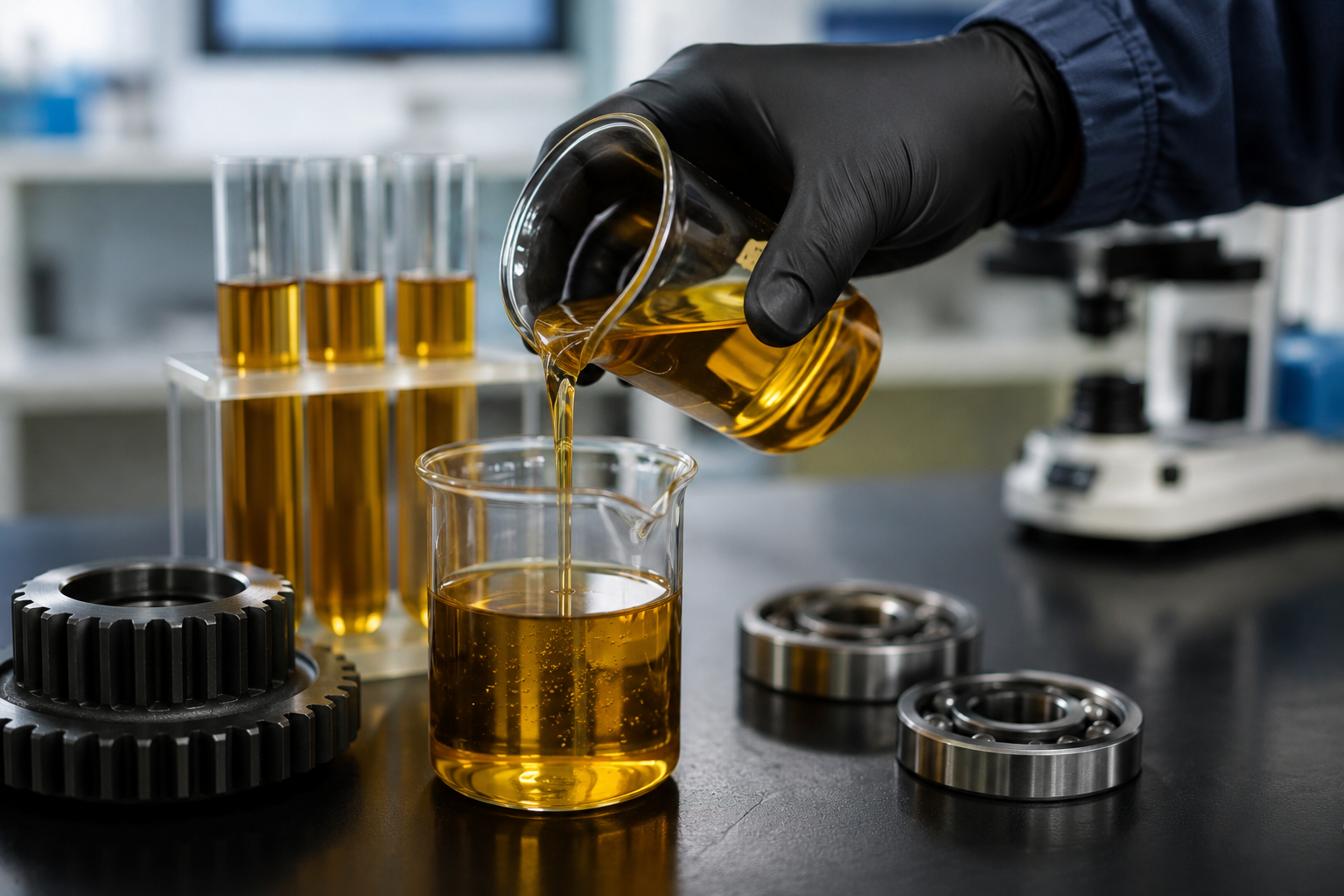
Modern engines and industrial machinery are expected to do more than ever before. They operate at higher temperatures, handle heavier workloads, and run for longer hours while maintaining excellent efficiency. These demanding conditions require lubricants that can deliver consistent protection, regardless of how challenging the environment becomes.
This is where polymer technology has transformed the lubricant industry. By improving the performance of viscosity index modifiers, lubricant manufacturers have developed oils that maintain stable viscosity across a wide temperature range. For industries, commercial fleets, and automotive users across the UAE, these innovations have translated into better equipment protection, longer service intervals, and lower maintenance costs.
Why Lubricant Performance Matters
Lubricants do much more than reduce friction between moving parts. They help dissipate heat, protect components against wear, minimize corrosion, and keep engines and machinery clean.
However, these benefits depend on one critical property—viscosity. If oil becomes too thick during startup, it may not circulate quickly enough to protect engine components. If it becomes too thin under high temperatures, it may fail to maintain a protective film between metal surfaces.
Maintaining the right viscosity throughout changing operating conditions is essential for reliable performance.
Understanding Viscosity Index Modifiers
Every lubricant naturally changes its viscosity as temperatures rise or fall.
This is where viscosity index modifiers play an important role.
These advanced polymer additives are designed to help lubricants resist excessive changes in viscosity. At lower temperatures, the polymer molecules remain compact, allowing oil to flow easily. As temperatures increase, the polymers expand, helping the lubricant maintain its thickness instead of becoming excessively thin.
This intelligent behavior allows lubricants to perform consistently in both cold starts and high-temperature operation.
How Polymer Technology Has Evolved
Early viscosity modifiers provided basic temperature stability but often degraded under heavy mechanical stress.
Modern polymer technology has significantly improved their durability and effectiveness.
Today's advanced polymers offer:
-
Greater shear stability
-
Improved thermal resistance
-
Longer service life
-
Better viscosity retention
-
Enhanced compatibility with modern lubricant formulations
These improvements allow lubricants to perform reliably even in engines and industrial equipment operating under extreme conditions.
Better Protection Against Wear
Wear is one of the leading causes of equipment failure.
Every moving component inside an engine or gearbox generates friction. Over time, excessive friction causes gradual damage to gears, bearings, pistons, and other critical parts.
Modern viscosity index modifiers help lubricants maintain a strong protective oil film, reducing direct metal-to-metal contact.
This improved lubrication significantly lowers wear rates and helps extend the lifespan of expensive machinery and vehicle components.
For businesses operating construction equipment, transport fleets, or manufacturing facilities in the UAE, reducing wear directly contributes to lower maintenance costs.
Improved Performance in High Temperatures
The UAE's climate presents unique challenges for lubricants.
Vehicles and industrial equipment often operate in ambient temperatures exceeding 45°C, while engine and gearbox temperatures can rise much higher during continuous operation.
Without effective viscosity control, conventional oils may thin excessively under these conditions.
Advanced polymer technology allows lubricants to maintain stable viscosity even during prolonged exposure to high temperatures.
This ensures continuous protection during highway driving, industrial production, heavy construction work, and commercial transportation.
Supporting Better Fuel Efficiency
Reducing fuel consumption remains an important objective for vehicle manufacturers and fleet operators.
Lubricants formulated with advanced polymer technology reduce internal friction while maintaining the correct oil film thickness.
When moving components encounter less resistance, engines operate more efficiently and require less energy.
Although actual fuel savings vary depending on operating conditions, maintaining optimal lubrication contributes to improved overall efficiency.
For fleet operators managing dozens or even hundreds of vehicles, these improvements can lead to noticeable long-term savings.
Longer Oil Service Life
Replacing lubricants too frequently increases both maintenance costs and equipment downtime.
Modern viscosity index modifiers improve lubricant stability by helping oils resist thermal degradation and mechanical breakdown.
As a result, lubricants maintain their protective properties throughout recommended service intervals.
Longer-lasting lubricants offer several operational advantages:
-
Reduced maintenance frequency
-
Lower lubricant consumption
-
Less equipment downtime
-
Improved productivity
-
Reduced operating costs
These benefits are particularly valuable in industries where continuous equipment availability is essential.
Meeting the Needs of Modern Machinery
Today's engines and industrial systems have become increasingly sophisticated.
Turbocharged engines, advanced transmissions, hydraulic systems, compressors, and heavy-duty industrial machinery all require lubricants capable of performing under demanding operating conditions.
Advanced polymer technology allows lubricant manufacturers to formulate products that meet these evolving requirements while remaining compatible with modern equipment specifications.
This flexibility supports industries ranging from transportation and logistics to manufacturing, marine operations, and energy production throughout the UAE.
Supporting Sustainable Operations
Sustainability is becoming an important consideration across industrial sectors.
Longer-lasting lubricants reduce waste oil generation and lower overall resource consumption.
Improved lubrication also reduces component wear, extending equipment life and minimizing the need for replacement parts.
By improving both efficiency and durability, modern polymer technology supports more sustainable maintenance practices without compromising performance.
Conclusion
Modern equipment demands lubricants that perform consistently under increasingly challenging conditions. Advanced polymer technology has transformed lubricant performance by improving viscosity stability, reducing wear, enhancing thermal resistance, and extending lubricant service life.
For businesses and vehicle owners across the UAE, choosing lubricants formulated with high-quality viscosity index modifiers is a practical investment in reliability, efficiency, and long-term equipment protection. As machinery continues to evolve, polymer-enhanced lubricants will remain essential for supporting productivity, reducing maintenance costs, and maximizing the lifespan of valuable assets.
Frequently Asked Questions
What are viscosity index modifiers?
Viscosity index modifiers are advanced polymer additives that help lubricants maintain consistent viscosity across different temperatures, improving engine and machinery protection.
Why are viscosity index modifiers important?
They prevent lubricants from becoming excessively thick during cold starts or too thin at high operating temperatures, ensuring reliable lubrication and reducing wear.
Which industries benefit from viscosity index modifiers?
Automotive, construction, manufacturing, transportation, marine, mining, agriculture, power generation, and industrial processing industries all benefit from lubricants formulated with advanced viscosity index modifiers.