
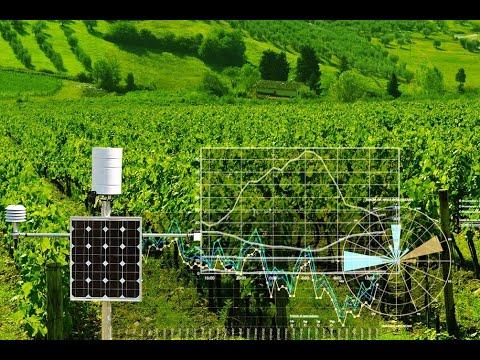
Environmental projects operate in complex hydrogeological settings. Groundwater moves through soil and rock in ways that are invisible at the surface. Contaminants that enter groundwater systems travel far from their original sources. Monitoring groundwater conditions protects environmental project integrity and public health. This article explores how systematic groundwater monitoring safeguards environmental projects of all types.
Why Groundwater Monitoring Is Essential for Environmental Projects
Groundwater is a critical resource that environmental projects must protect. Aquifers supply drinking water to millions of communities across North America. Industrial and agricultural operations depend on reliable groundwater access. Environmental projects that threaten groundwater face serious regulatory and legal consequences. Proactive groundwater monitoring demonstrates responsible environmental stewardship.
Contamination that enters groundwater systems creates long-lasting impacts. Groundwater plumes can migrate kilometers from contamination sources over decades. Remediation of contaminated groundwater is expensive, slow, and technically challenging. Detecting contamination early when plumes are small is far more manageable. Groundwater monitoring is the early warning system that enables effective contamination response.
Regulatory frameworks around the world require groundwater monitoring for many activities. Mining, petroleum production, and industrial operations typically have mandatory monitoring obligations. Construction projects near sensitive aquifer zones require monitoring during active operations. Environmental remediation projects monitor groundwater to verify cleanup progress and effectiveness. Monitoring compliance protects project operators from enforcement actions and legal liability.
The Connection Between Monitoring and Project Credibility
Rigorous groundwater monitoring builds credibility with regulators and communities. Projects with transparent monitoring programs demonstrate genuine environmental commitment. Regulatory agencies respond more favorably to operators with strong monitoring track records. Community concerns about groundwater impacts are addressed with monitoring data rather than assurances. Data-supported environmental performance builds the social license projects need to operate.
Monitoring data also protects project operators from unfounded contamination claims. Disputes about contamination responsibility require evidence of pre-existing conditions. Historical monitoring records document groundwater conditions before project activities began. These records protect operators from liability for contamination they did not cause. Comprehensive monitoring documentation is a long-term liability management asset.
Groundwater Monitoring Well Network Design
Effective groundwater monitoring depends on strategically designed well networks. Well locations must intercept groundwater in both background and potentially impacted zones. Upgradient wells establish background water quality unaffected by project activities. Downgradient wells detect contamination that has migrated from the project area. Comparison between upgradient and downgradient data quantifies any project-related water quality impact.
Hydrogeological investigation informs well network design fundamentally. Understanding groundwater flow direction determines where downgradient monitoring is effective. Seasonal and annual variations in flow direction may require monitoring wells in multiple directions. Aquifer depth and thickness determine appropriate well screen placement depths. Well network design without hydrogeological understanding produces inadequate monitoring coverage.
Well construction quality is a prerequisite for reliable monitoring data. Land reclamation projects that install monitoring wells must follow strict construction standards. Proper casing materials resist corrosion and chemical attack throughout long monitoring periods. Annular grout seals prevent surface water from contaminating sampled groundwater. As-built well records document construction details for regulatory review and future reference.
Nested Well Systems for Multi-Aquifer Monitoring
Complex hydrogeological settings require nested well systems for comprehensive monitoring. Multiple aquifer zones at different depths may have different contamination conditions. Nested wells install multiple well casing strings at different depths within the same borehole. Each nested well accesses a specific depth zone for independent monitoring. This approach efficiently monitors multiple aquifer zones without installing multiple boreholes.
Nested well systems provide critical information about vertical contaminant distribution. Contaminants that sink to deeper aquifer zones are only detected by deep monitoring wells. Shallow aquifers can remain uncontaminated while deeper zones are impacted. Conversely, deep contamination can be absent while shallow zones are affected. Nested monitoring systems reveal the full vertical complexity of groundwater contamination conditions.
Sampling Protocols for Representative Groundwater Data
Sampling protocols determine whether collected samples represent actual groundwater conditions. Improper sampling collects water that has been sitting in well casing rather than formation water. This stagnant water does not accurately represent formation groundwater quality. Standardized low-flow purging removes stagnant water while minimizing formation disturbance. Sampling begins only after field stabilization parameters confirm representative conditions.
Sampling frequency must match the rate of change in monitored conditions. Rapidly changing contamination conditions require more frequent sampling for adequate monitoring. Long-term stable conditions may justify reduced sampling frequencies with regulatory approval. Seasonal sampling captures spring and fall groundwater condition variations. Monitoring frequency should be reviewed periodically and adjusted to reflect observed site conditions.
Sample handling and preservation are as important as collection technique. Volatile contaminants evaporate from improperly handled groundwater samples rapidly. Samples for volatile analysis are collected with zero headspace in sealed vials immediately. Chemical preservatives maintain sample integrity during transport to laboratories. Holding time limits for each analytical parameter must be respected for valid results.
Data Analysis and Trend Identification
Groundwater monitoring data is most valuable when analyzed for trends over time. Single sampling events provide a snapshot but not the full contamination picture. Trend analysis over multiple sampling events reveals whether contamination is stable or changing. Rising contaminant concentrations signal active contamination migration requiring response. Declining concentrations indicate natural attenuation or remediation effectiveness.
Statistical trend analysis provides objective assessment of monitoring data patterns. Mann-Kendall trend tests identify statistically significant concentration changes over time. Control charts detect unusual results that warrant investigation before assuming real contamination changes. Statistical analysis removes subjective interpretation from trend identification decisions. Data-driven trend analysis supports confident regulatory reporting and project management decisions.
Spatial analysis of monitoring data maps contaminant distribution across the site. Contaminant plume maps show the extent and concentration pattern of groundwater contamination. Plume evolution over time reveals migration rates and directions. Comparing sequential plume maps demonstrates remediation effectiveness visually and quantitatively. Spatial analysis transforms tabular analytical data into actionable project management information.
Responding to Groundwater Monitoring Exceedances
Monitoring results that exceed regulatory guidelines trigger mandatory response obligations. Immediate notification of regulatory agencies is typically required within defined timeframes. Investigation of exceedance causes begins promptly after detection and notification. Confirmatory resampling verifies whether initial exceedances reflect real conditions. Distinguishing genuine contamination from sampling or analytical artifacts prevents unnecessary responses.
When exceedances are confirmed as real, corrective action plans are developed. Regulatory agencies review and approve corrective action plans before implementation. Remediation system installation or modification addresses confirmed contamination sources. Enhanced monitoring around corrective action areas tracks remediation effectiveness. Demonstrating responsive corrective action maintains regulatory confidence and project credibility.
The Long-Term Value of Groundwater Monitoring Programs
Long-term monitoring programs generate invaluable environmental project records. Historical groundwater data documents project environmental performance over decades. This documentation supports eventual regulatory site closure applications. Closure applications require demonstrating that groundwater conditions meet cleanup objectives. Long-term monitoring records are the evidence base for successful closure applications.
Environmental project investors benefit from strong groundwater monitoring programs. Clean monitoring records protect asset values throughout project lifecycles. Contamination discovered without monitoring programs creates emergency liability situations. Proactive monitoring maintains financial certainty about project environmental performance. The long-term financial value of comprehensive monitoring far exceeds its operating cost.