
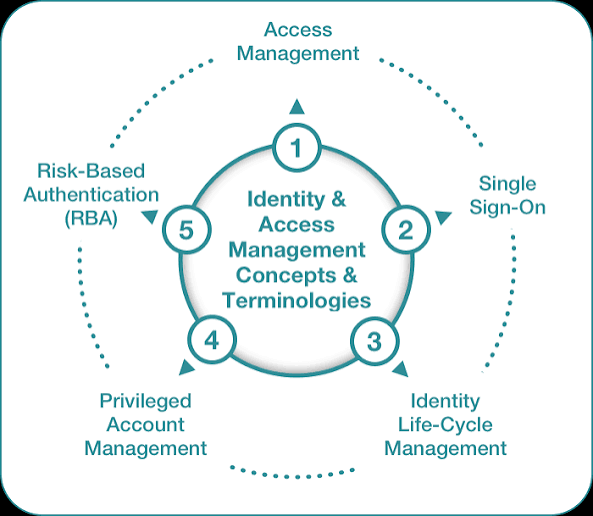
Modern organizations depend on secure access controls to protect sensitive information, cloud platforms, business applications, and critical infrastructure. As workforces become more distributed and digital environments continue to expand, managing user identities has become an essential part of cybersecurity. Identity Governance and Administration helps organizations assign the right level of access to every user while reducing security risks caused by excessive permissions. Combined with privileged account protection and stronger authentication methods, businesses can improve compliance, reduce administrative effort, and maintain secure operations across hybrid and cloud environments. These technologies also support regulatory requirements and create a structured approach to controlling access throughout the user lifecycle.
What is Identity Governance and Administration?
Identity Governance and Administration (IGA) is a security framework that manages digital identities and controls user access across an organization. It ensures employees, contractors, vendors, and partners receive only the permissions required for their specific roles. Automated user provisioning, role management, access certification, and account deprovisioning reduce manual work while minimizing security gaps. Organizations benefit from improved visibility into user permissions, easier compliance reporting, and stronger protection against unauthorized access. Regular access reviews also help identify inactive accounts and unnecessary privileges before they become security risks.
What is Privileged Access Management and why is it important?
Privileged Access Management protects accounts with elevated permissions that allow administrators to modify systems, databases, servers, and business-critical applications. Since privileged accounts have extensive access, they are among the primary targets for cybercriminals. A Privileged Access Management solution secures these accounts through password vaulting, credential rotation, session recording, approval workflows, and continuous monitoring. Restricting administrative privileges to authorized users significantly reduces insider threats and external attacks. Organizations also gain detailed audit logs that simplify investigations and demonstrate compliance with industry regulations.
How do multi-factor authentication solutions improve cybersecurity?
Multi-factor authentication solutions strengthen identity verification by requiring users to provide two or more authentication factors before gaining access. Instead of relying only on passwords, authentication may include mobile verification apps, hardware security keys, biometric verification, or one-time passwords. Even if login credentials are compromised, additional verification prevents unauthorized access in most cases.
Key advantages include the following:
- Protection against password theft and phishing attacks.
- Stronger security for cloud applications and remote employees.
- Reduced risk of credential-based cyberattacks.
- Better compliance with security standards and regulations.
- Additional protection for privileged administrative accounts.
Organizations implementing multiple authentication factors create an extra security layer that significantly reduces the likelihood of successful account compromise.
What is the difference between identity governance and privileged access management?
Although these technologies work together, they solve different security challenges. Identity Governance focuses on managing access for all users throughout their employment lifecycle, ensuring every user receives appropriate permissions based on business policies. Privileged Access Management concentrates specifically on protecting highly sensitive administrative accounts with elevated privileges.
The major differences include:
- Identity Governance manages identities across the entire workforce.
- Privileged Access Management secures administrator and privileged accounts.
- Identity Governance automates onboarding, offboarding, and access reviews.
- Privileged Access Management protects privileged credentials through secure vaults and monitored sessions.
- Identity Governance improves policy enforcement and compliance.
- Privileged Access Management reduces risks associated with privileged account misuse.
Using both solutions together creates a comprehensive access management strategy that strengthens overall organizational security.
How do identity and access management solutions help businesses?
Identity and access management solutions provide centralized control over user authentication, authorization, and access management across business applications and digital resources. These systems simplify user administration while improving security and operational efficiency. Automated identity management reduces manual errors and ensures employees receive timely access to the resources required for their responsibilities.
Businesses benefit from identity and access management through:
- Automated user onboarding and offboarding.
- Centralized authentication across multiple applications.
- Improved visibility into user permissions.
- Faster compliance reporting and audit preparation.
- Reduced administrative workload.
- Better protection against unauthorized access.
- Consistent security policy enforcement across cloud and on-premises environments.
Organizations adopting these solutions can improve productivity while maintaining stronger control over sensitive business systems.
Best Practices for Implementing Identity Security Solutions
Successful identity security begins with clearly defined access policies and role-based permissions. Organizations should automate identity lifecycle management to ensure timely account creation, modification, and removal. Regular access reviews help identify excessive permissions that increase security risks. Administrative accounts should always be monitored, and privileged credentials should be securely stored with automatic password rotation. Multi-factor authentication should protect remote access, cloud services, and privileged accounts to minimize credential-based attacks. Continuous security monitoring, employee awareness training, and periodic policy reviews help organizations adapt to evolving cybersecurity threats while maintaining compliance with regulatory standards.
Conclusion
Modern organizations require a structured approach to identity security that protects users, systems, and sensitive information without affecting productivity. Combining governance, privileged account protection, strong authentication, and centralized access management reduce cyber risks while improving compliance and operational efficiency. Businesses that regularly review user permissions, automate identity lifecycle processes, and secure administrative accounts are better prepared to defend against evolving threats. A well-planned identity security strategy supports business continuity, simplifies audits, strengthens customer trust, and creates a safer digital environment for long-term organizational growth.