
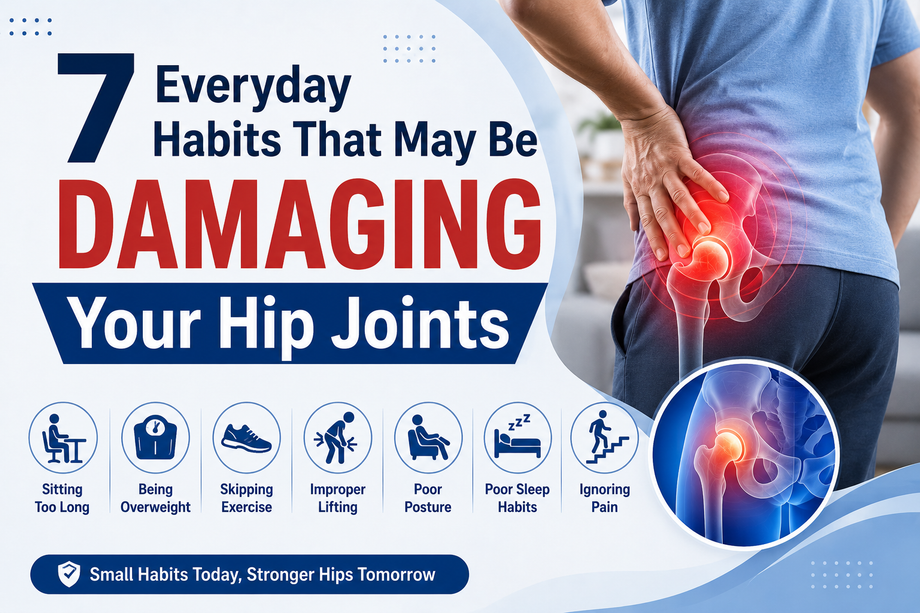
Your hip joints support almost every movement you make, from walking and climbing stairs to bending and sitting. While aging and certain medical conditions can contribute to hip problems, many people don't realize that their daily habits may also be putting unnecessary stress on their joints. Over time, these habits can lead to pain, stiffness, reduced mobility, and even increase the likelihood of needing advanced treatment from a Hip Replacement Surgeon in India. Understanding these risk factors can help you protect your hip joints and maintain an active lifestyle for years to come.
Sitting for Long Hours
Modern lifestyles often involve prolonged sitting at desks, in cars, or while using electronic devices. Remaining seated for extended periods causes the hip flexor muscles to tighten and reduces joint mobility. This can contribute to stiffness, muscle weakness, and discomfort around the hips.
Take short walking breaks every 30 to 60 minutes, stretch regularly, and avoid sitting in the same position for long durations.
Ignoring Persistent Hip Pain
Many people dismiss hip pain as a normal sign of aging or temporary muscle soreness. However, pain that continues for several weeks should never be ignored. Early diagnosis often prevents minor joint problems from becoming more serious.
Consulting an experienced Orthopedic Specialist in Jaipur can help identify conditions such as arthritis, tendon injuries, cartilage damage, or structural abnormalities before they worsen.
Carrying Excess Body Weight
Extra body weight increases pressure on the hip joints every time you stand, walk, or climb stairs. Over time, this added stress accelerates cartilage wear and may increase the risk of osteoarthritis.
Maintaining a healthy weight through balanced nutrition and regular physical activity helps reduce joint stress and supports long-term hip health.
Poor Posture and Improper Body Mechanics
Slouching while sitting, standing unevenly, or lifting heavy objects incorrectly can place unnecessary strain on your hips. Poor posture also affects the alignment of your spine, knees, and pelvis, increasing the risk of chronic joint pain.
Simple adjustments such as sitting upright, using supportive chairs, and lifting with your legs instead of your back can make a significant difference.
Skipping Strength and Flexibility Exercises
Strong muscles around the hips help stabilize the joint and absorb stress during daily activities. Without regular exercise, these muscles weaken, making the hip joint more vulnerable to injury.
Activities that benefit hip health include:
- Walking
- Swimming
- Cycling
- Gentle stretching
- Strength training
- Balance exercises
A consistent exercise routine improves flexibility, muscle strength, and overall joint function.
Overtraining Without Proper Recovery
While regular exercise is beneficial, excessively high-impact activities without adequate recovery can damage the hip joint over time. Repetitive stress from running, jumping, or heavy weightlifting may contribute to cartilage wear and tendon injuries.
Listen to your body, allow sufficient recovery between intense workouts, and avoid pushing through persistent pain.
Delaying Treatment for Hip Problems
Many hip conditions respond well to conservative treatment when diagnosed early. However, delaying medical evaluation can allow joint damage to progress, making treatment more complex.
One common condition is femoroacetabular impingement (FAI), where abnormal contact between the hip bones causes pain and limits movement. Timely Hip Impingement Treatment in Jaipur can reduce symptoms, improve joint function, and help prevent long-term cartilage damage that could eventually require surgery.
When Should You See an Orthopedic Specialist?
You should seek medical evaluation if you experience:
- Hip pain lasting more than a few weeks
- Difficulty walking or climbing stairs
- Pain during exercise or daily activities
- Hip stiffness after resting
- Clicking, locking, or a reduced range of motion
- Pain that interferes with sleep
Early diagnosis often leads to simpler and more effective treatment options.
Conclusion
Healthy hips play an essential role in maintaining mobility and independence. By avoiding harmful daily habits, staying physically active, and seeking timely medical advice, you can significantly reduce your risk of chronic hip problems. If persistent hip pain affects your quality of life, consulting an experienced Hip Replacement Surgeon in India can help identify the underlying cause and recommend the most appropriate treatment. Whether you need guidance from an Orthopedic Specialist in Jaipur or advanced Hip Impingement Treatment in Jaipur, early intervention offers the best chance of protecting your joints and maintaining an active, pain-free lifestyle.
Frequently Asked Questions
Can everyday habits really damage the hip joints?
Yes. Poor posture, prolonged sitting, excess body weight, lack of exercise, and delaying treatment can gradually increase stress on the hip joint and contribute to long-term damage.
Can hip problems be prevented?
Many hip conditions can be prevented or delayed through regular exercise, maintaining a healthy weight, practicing good posture, and seeking early medical care when symptoms develop.
When is hip replacement considered?
Hip replacement is usually recommended when severe arthritis or significant joint damage causes persistent pain and limits daily activities despite conservative treatments.