
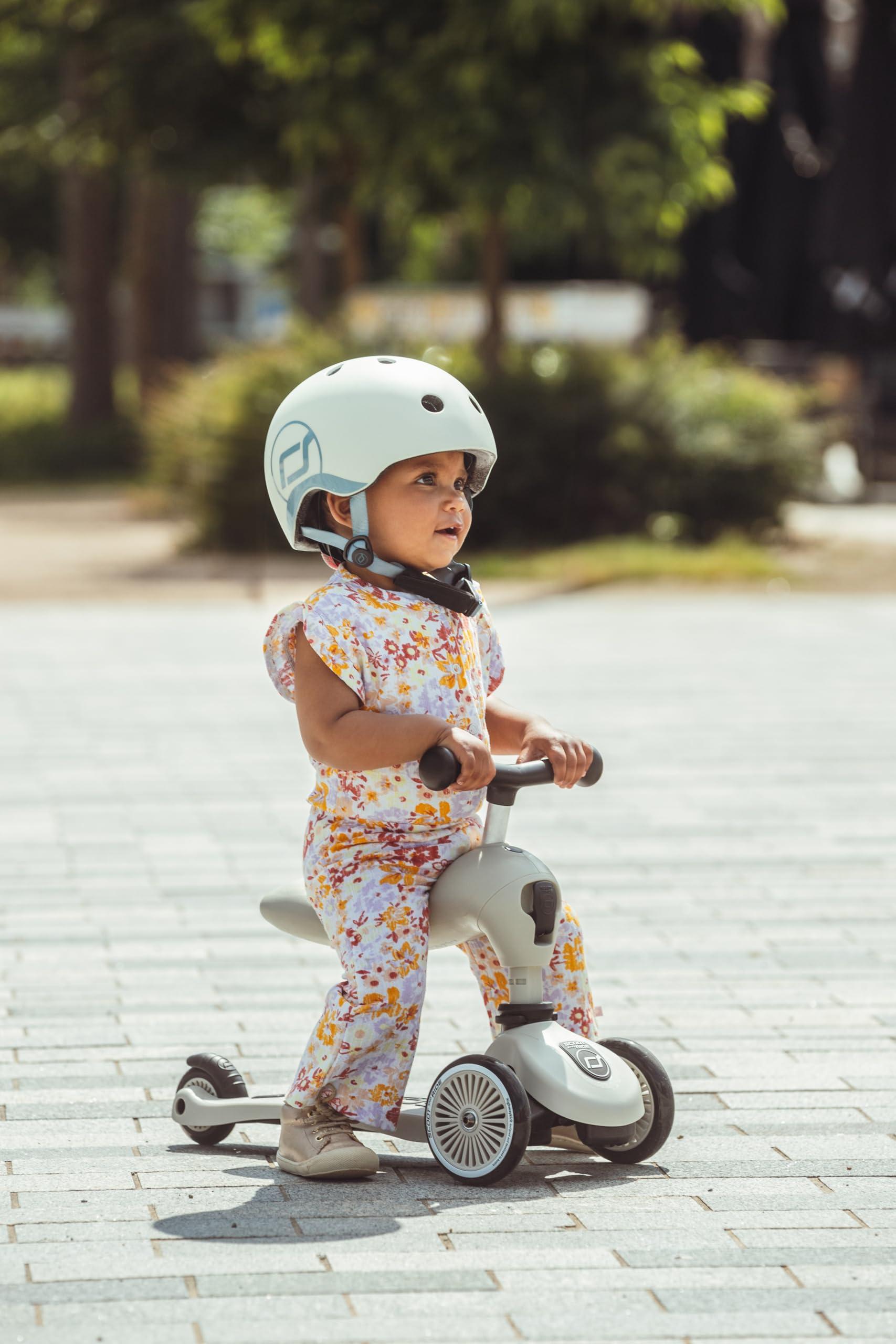
Mobility is one of the most fundamental aspects of childhood independence. The ability to move freely shapes how children learn, play, and connect. Children who move confidently explore their world with curiosity and joy. When mobility is limited, these essential experiences are restricted. Early intervention is the most powerful tool for improving childhood mobility. It capitalises on the brain's extraordinary adaptability during the early years. This article explains how early intervention improves mobility and why timing matters so much.
What Early Intervention Means in Practice
Early intervention refers to therapeutic support delivered during the critical early years. In paediatric physiotherapy, it typically applies to children under five years of age. It may also apply to older children immediately after a new diagnosis or injury. The earlier intervention begins, the greater the neurological and functional impact. Assessment identifies the specific causes of mobility limitations. A personalised treatment plan is then designed and implemented promptly. Progress is reviewed regularly and plans are updated to reflect development. Early intervention is proactive, structured, and consistently evidence-based in approach.
Why the Early Years Are the Most Important
The brain is most plastic during the first three to five years of life. Neuroplasticity allows the brain to reorganise and form new connections. Movement experiences during this period shape neurological development profoundly. Therapeutic interventions delivered early produce the greatest neurological change. The same intervention delivered at age seven has significantly less impact than at age two. Waiting and watching is rarely the wisest course when mobility concerns arise. Early action consistently delivers better outcomes than later, more intensive intervention. Parents who act at the first sign of concern give their children the best possible start.
Common Mobility Challenges Addressed by Early Intervention
Early intervention is appropriate for a wide range of mobility challenges. Each condition benefits most when assessment and treatment begin promptly.
Walking Delays and Gait Abnormalities
Walking is the most fundamental mobility milestone in early childhood. Delayed walking is defined as not walking independently by eighteen months. Physiotherapy addresses the specific causes of walking delay directly. Muscle weakness, poor balance, and hypotonia are among the most common causes. Gait abnormalities like toe walking and asymmetric patterns are also treated. Early physiotherapy helps children achieve independent, safe walking more quickly. The earlier treatment begins, the less intensive it typically needs to be.
Neurological Conditions and Early Mobility
Cerebral palsy, spina bifida, and hypoxic brain injury affect mobility significantly. Early physiotherapy is essential for children with these conditions. Neurodevelopmental treatment guides children through functional movement patterns. Constraint-induced movement therapy promotes use of weaker limbs effectively. Treadmill training with partial body weight support improves walking in young children. Early intervention during the neuroplastic window produces the greatest motor gains. Children who receive early, intensive support achieve more independent mobility than those who don't.
How Early Physiotherapy Improves Gross Motor Mobility
Gross motor mobility involves all the large movement skills children need. Walking, running, jumping, and climbing are all gross motor activities. Physiotherapy targets the specific physical components limiting these skills.
Strengthening for Independent Movement
Muscle strength is a primary prerequisite for independent mobility. Weak hip, leg, and core muscles prevent children from walking or running effectively. Early physiotherapy targets these muscle groups through age-appropriate exercises. Squats, step-ups, and climbing activities build functional lower limb strength. Core strengthening exercises support the postural stability needed for upright movement. Upper limb exercises support weight-bearing during crawling and floor play. Strength gains directly translate into improved mobility and physical independence.
Balance Training for Confident Movement
Balance is foundational to virtually every gross motor skill. Children with poor balance fall frequently and avoid physical challenges. Early physiotherapy includes targeted balance training in every programme. Static balance activities build stability in standing and weight-bearing positions. Dynamic balance activities challenge stability during movement and play. Vestibular activities like swinging and spinning improve inner ear balance function. Proprioceptive training through heavy work enhances body awareness and movement control. Children who improve their balance move more confidently and safely in all environments.
The Role of Specialised Professional Assessment
Accurate assessment is the essential starting point for early intervention success. Not every therapist has the training needed for paediatric mobility assessment. A paediatrics physiotherapist conducts thorough, standardised developmental evaluations. They use validated tools including the Gross Motor Function Measure and Bayley Scales. These tools provide objective data on mobility status and guide treatment planning. Assessment also considers the child's home environment and daily functional demands. Family goals and priorities are incorporated into the treatment plan from the outset. This comprehensive approach ensures intervention is both relevant and effective.
Family Involvement in Early Mobility Intervention
Family involvement is one of the strongest predictors of early intervention success. Children spend most of their time at home, not in the clinic. Home programmes extend the therapeutic benefit across every waking hour. Physiotherapists teach parents simple, effective activities to support mobility development. Daily routines like floor play, outdoor exploration, and dressing become therapeutic opportunities. Parents who understand the treatment goals support their child far more effectively. Their encouragement, enthusiasm, and consistency drive meaningful progress between sessions. The family-therapist partnership is the most powerful driver of mobility improvement in children.
Making Therapy Part of Daily Life
Tummy time during infancy builds the strength needed for later mobility. Floor play encourages rolling, crawling, and early weight-bearing exploration. Outdoor play on varied terrain challenges balance and coordination naturally. Climbing frames, sandpits, and grass surfaces provide rich proprioceptive input. These activities are enjoyable, free, and profoundly developmental in their impact. Physiotherapists design home programmes that embed therapeutic goals into natural play. Parents who incorporate these activities consistently see faster and more durable progress. Therapy that extends into daily life produces far superior outcomes than clinic sessions alone.
Long-Term Benefits of Early Mobility Intervention
Early mobility intervention produces benefits that extend throughout a child's life. Children who achieve independent mobility early explore and learn more broadly. Physical competence supports academic readiness, peer relationships, and emotional resilience. Active children are more likely to remain physically active as adults. Early intervention reduces the need for more intensive and costly support later. Social participation improves as children gain the physical skills to join their peers. The long-term return on early investment in mobility is consistently high. Every family that seeks early help protects their child's future across every developmental domain.
Final Thoughts
Early intervention is the most powerful approach to improving children's mobility. It capitalises on neuroplasticity, addresses causes directly, and delivers lasting results. Professional assessment identifies specific deficits and guides targeted treatment. Families who engage promptly give their children a significant developmental advantage. Mobility improvement in childhood opens doors to learning, friendship, and independence. Do not wait and hope that challenges will resolve on their own. Seek professional assessment at the first sign of mobility concern. Early action is always the most effective and compassionate choice for your child.