
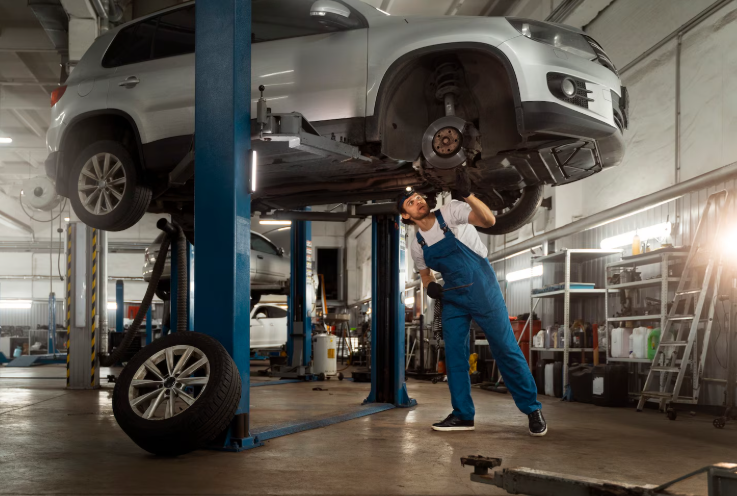
Your vehicle’s suspension system plays a major role in keeping every drive smooth, stable, and safe. While many drivers focus on tires, brakes, and oil changes, car suspension repair is often overlooked until problems become impossible to ignore. The suspension includes shocks, struts, springs, and other components that work together to absorb road impacts and maintain tire contact with the pavement. When these parts begin to wear out, your vehicle's handling, comfort, and braking performance can all suffer. Recognizing the early warning signs can help prevent more expensive repairs and reduce the risk of unsafe driving conditions.
One of the first signs of suspension trouble is an unusually rough ride. If you feel every bump, pothole, or crack in the road more than usual, worn shocks or struts may no longer be absorbing impacts effectively. You may also notice excessive bouncing after driving over uneven surfaces. A vehicle in good condition should settle quickly after hitting a bump rather than continuing to bounce several times.
Another common symptom is poor steering control. If the steering wheel feels loose, the vehicle drifts during turns, or it becomes difficult to maintain a straight path, suspension components could be worn or damaged. These issues may also contribute to uneven tire wear because the tires are no longer making consistent contact with the road. Checking your tires regularly for unusual wear patterns can provide valuable clues about the condition of the suspension system.
Drivers should also pay attention to unusual noises. Clunking, squeaking, or knocking sounds while driving over bumps often indicate worn bushings, ball joints, or other suspension parts. Ignoring these noises may allow minor wear to develop into larger mechanical problems that require more extensive repairs. Regular inspections can identify these issues before they affect other vehicle systems.
A damaged suspension can also impact braking performance. Since the suspension helps keep the tires firmly on the road, worn components may increase stopping distance and reduce stability during sudden braking. This becomes even more noticeable when driving in wet conditions or on uneven roads, where proper tire contact is essential for maintaining control.
Routine vehicle maintenance should always include periodic suspension inspections, especially if you frequently drive on rough roads or carry heavy loads. Addressing worn shocks, struts, or related components early helps improve ride quality, steering response, and overall vehicle safety. Paying attention to warning signs and scheduling timely Suspension Repair when needed can help extend the life of your tires and keep your vehicle performing as intended.