
With the increase in the use of the internet and social media, more and more aspects of people’s personal and professional lives are moving online. In this highly online world, it is very important for people to ensure that their sensitive information is protected online.
One of the greatest threats to cybersecurity these days is doxxing, which refers to a malicious practice in which the personal and private information of an individual is shared online without their consent. The main motive of doxxing is to intimidate, blackmail, or harass the victim, which can be very dangerous. Having a proper understanding of what is doxxing will ensure that you are ready to protect yourself against this dangerous activity.
Understanding the meaning of Doxxing
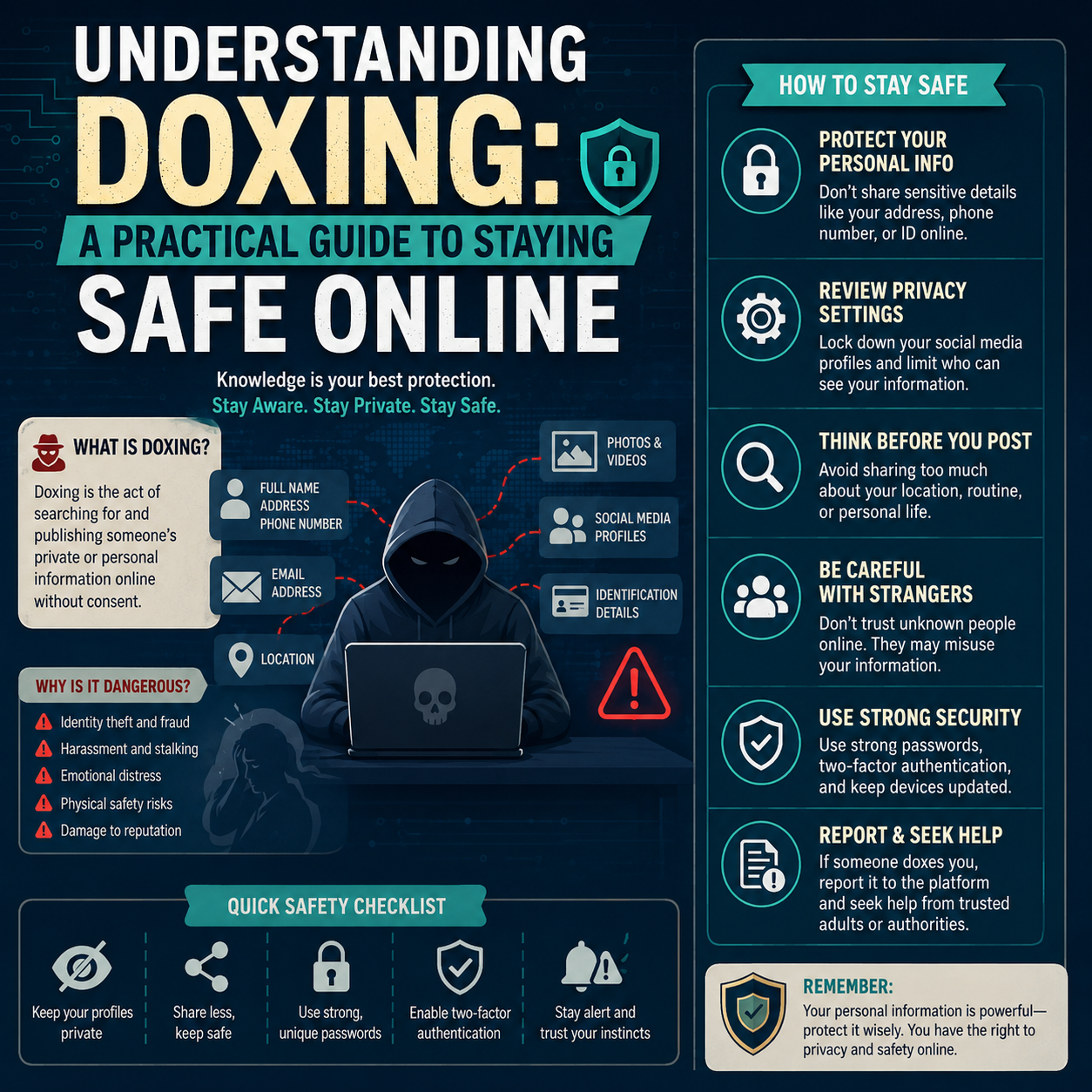
Doxing, sometimes written as “doxxing,” is basically when someone collects and then posts another person’s private information online without permission. It can be a full name, home address, phone number, email, their place of work, financial stuff, or even information about family.
A lot of times, the attacker stitches together details from several public places to build a bigger, more specific picture of the person they want. After all that is out there, the victim might face online harassment, identity theft, stalking, or they can get real reputational damage too.
How does doxing even happen?
People who harass others online, and also cybercriminals, use a mix of methods to track down personal data. They tend to browse social media sites, public records, online discussion boards, and data broker pages where information is supposedly “available.”
Some attackers go further and use phishing emails, malware, leaked password databases, or social engineering maneuvers to grab confidential information. And honestly, even tiny bits of data you share here and there on different websites can be stitched together, so the end result is much more than you thought you were giving away.
Why is doxing considered dangerous?
The harm from doxing usually doesn’t stay “on the internet.” A victim can get threatening messages, get hit by cyberbullying, or see their online accounts compromised.
In more serious cases, the disclosed personal details can turn into identity theft, financial scams, problems at work, or concerns about physical safety. Companies can get caught in this too, since employees who are doxed may accidentally expose sensitive corporate details, or end up as extra targets for more cyberattacks
How to protect yourself from doxing?
One of the best ways to reduce your exposure is to shrink your digital footprint. Check the privacy settings on your social media accounts and avoid posting personal information that could identify you too easily.
Additionally, you should also ensure that the passwords you are using are exceptionally strong; the use of multi-factor authentication will make it difficult for anyone to access your account or information with ease. You need to be cautious in accepting friend requests from unknown individuals on social media applications.
Another thing through which you can protect yourself is by avoiding clicking suspicious links or downloading unexpected attachments, as these links and attachments often contain ransomware or malware. You should also look up your name online regularly to verify the information that is present online.
Source: Saferloop