
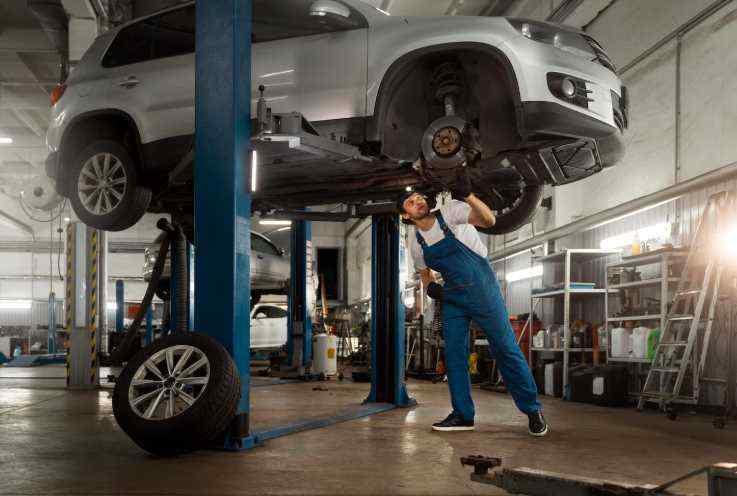
A proper tire alignment often goes unnoticed until a vehicle starts pulling to one side or the steering wheel feels slightly off-center. Many drivers think alignment only matters when the tires are visibly worn, but the truth is that small shifts in suspension and steering angles can affect how a car handles long before any obvious warning signs appear. Even a minor misalignment can influence comfort, control, and the life of the tires.
Alignment is not just about keeping the car moving in a straight line. It is about helping all four tires work together the way they were designed to. When the angles are correct, the tires meet the road evenly, which can reduce uneven tread wear and make daily driving feel smoother. When the angles drift out of place, the car may begin to feel unstable during turns or less responsive during lane changes. These changes can happen slowly, which makes them easy to ignore.
Road conditions are one of the most common reasons alignment changes over time. A hard bump, a deep pothole, or repeated curb contact can shift the careful balance of the steering system. Even regular driving can contribute to gradual wear in parts that affect alignment. That is why it helps to pay attention to small changes in the way the vehicle feels. If the steering wheel no longer sits straight when driving on a level road, or if one tire seems to wear faster than the others, the alignment may deserve a closer look.
There is also a practical side to alignment that many drivers appreciate only after problems start. Better alignment can support more even tire wear, and that may help tires last longer before replacement is needed. It can also reduce the effort needed to keep the vehicle centered, which may make long drives less tiring. These are small improvements individually, but together they can shape the overall driving experience in a meaningful way.
Good vehicle care often comes down to noticing changes early and responding before they grow. Alignment issues may begin quietly, but they rarely stay that way forever. A car that feels steady today can slowly become harder to control if the angles shift further over time. That is why regular checks matter, even when nothing seems seriously wrong. A simple inspection can reveal whether the steering and suspension are still working as intended, and it can prevent minor issues from turning into bigger ones. In that sense, wheel alignment is less of a repair and more of a safeguard for everyday driving.