
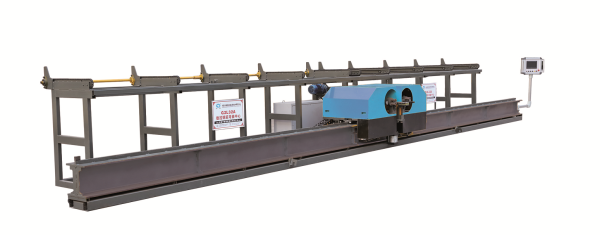
Reinforcement steel is a fundamental component of modern construction, making efficient rebar processing an important consideration for contractors and steel fabrication businesses. As construction projects become larger and schedules become more demanding, traditional manual bending methods may struggle to provide the speed and consistency required. Automated technology offers a practical way to improve reinforcement fabrication while maintaining better control over production quality.
An automatic rebar bending machine is designed to simplify the bending process through automated and programmable operations. Instead of depending entirely on manual measurements and physical effort, operators can use machine-controlled processes to produce rebar shapes according to specified requirements. This can help create a more organized workflow and support consistent production across large batches.
One of the key benefits of automated rebar bending is repeatability. Construction projects often require numerous reinforcement bars with identical or carefully defined bends. Manual processing can result in variations between individual pieces, particularly during extended production periods. Automated equipment follows programmed parameters, helping fabricators maintain more uniform bending results and reducing the likelihood of unnecessary corrections.
Productivity is another important advantage. Processing reinforcement manually can take considerable time, especially when large quantities of steel need to be prepared. An automated system can handle repetitive bending operations more efficiently, allowing businesses to process more material within available working hours. Improved production speed can help fabrication teams keep pace with construction schedules and manage larger orders more effectively.
Automation can also reduce the physical workload associated with repetitive steel bending. Workers do not need to manually perform every bending movement, allowing operators to concentrate on machine monitoring, material preparation, and quality control. This can contribute to a more efficient workplace while making better use of available personnel.
Accuracy is particularly valuable when reinforcement components need to fit specific structural designs. Incorrectly bent bars can create installation challenges and may require additional processing. A CNC-based automated system can provide greater control over bending sequences and dimensions, helping fabricators produce components that are more consistent with planned specifications.
The automatic rebar bending machine can be a useful addition to fabrication facilities serving different construction applications. Residential developments, commercial buildings, infrastructure projects, industrial structures, and other reinforced concrete applications can all require precisely prepared reinforcement. Having automated bending equipment available can help businesses respond to varying production requirements while maintaining an efficient fabrication process.
Another consideration is material management. Greater bending accuracy can help reduce mistakes and unnecessary rework, which may contribute to better utilization of reinforcement steel. For businesses handling substantial quantities of expensive raw material, controlling waste can support improved operational efficiency and cost management.
When selecting rebar bending equipment, businesses should evaluate factors such as production volume, material requirements, bending specifications, machine capabilities, and operator needs. The right equipment should complement the existing fabrication workflow and provide enough capacity to support both current and future production demands.
As construction technology continues to evolve, automation is becoming increasingly important in reinforcement processing. An automatic rebar bending machine can help fabrication businesses achieve greater consistency, streamline repetitive work, and improve overall production efficiency.
By adopting suitable automated machinery, steel fabricators can build a more systematic production process while responding confidently to demanding construction schedules. Combining automation with proper planning and quality control can ultimately help businesses produce reliable reinforcement components and maintain a competitive edge in the modern construction industry.