
Introduction
The transportation industry has moved rapidly from traditional taxi dispatch systems toward smartphone-based booking. A Taxi app clone can help entrepreneurs build a digital taxi-booking platform that connects passengers with drivers through a convenient mobile experience. Instead of depending entirely on traditional call centers, businesses can provide customers with instant booking, driver tracking, digital payments, and automated notifications.
The opportunity extends beyond simply creating another taxi application. A well-designed platform can support multiple transportation services, operate across different regions, and create a centralized ecosystem for customers, drivers, and administrators.
For entrepreneurs considering this business model, understanding the technology, features, development process, monetization strategies, and operational requirements is essential.
Key Takeaways
- Taxi booking is increasingly shifting toward mobile platforms.
- A clone-based development approach can provide a structured starting point.
- Passenger, driver, and admin systems are the core components.
- GPS tracking and automated dispatch are fundamental.
- Payment flexibility can improve customer retention.
- Custom branding helps establish a unique market identity.
- Advanced analytics can support operational decisions.
- Scalability should be planned before expansion.
Understanding the Taxi App Business Model
A digital taxi platform acts as an intermediary between transportation providers and customers.
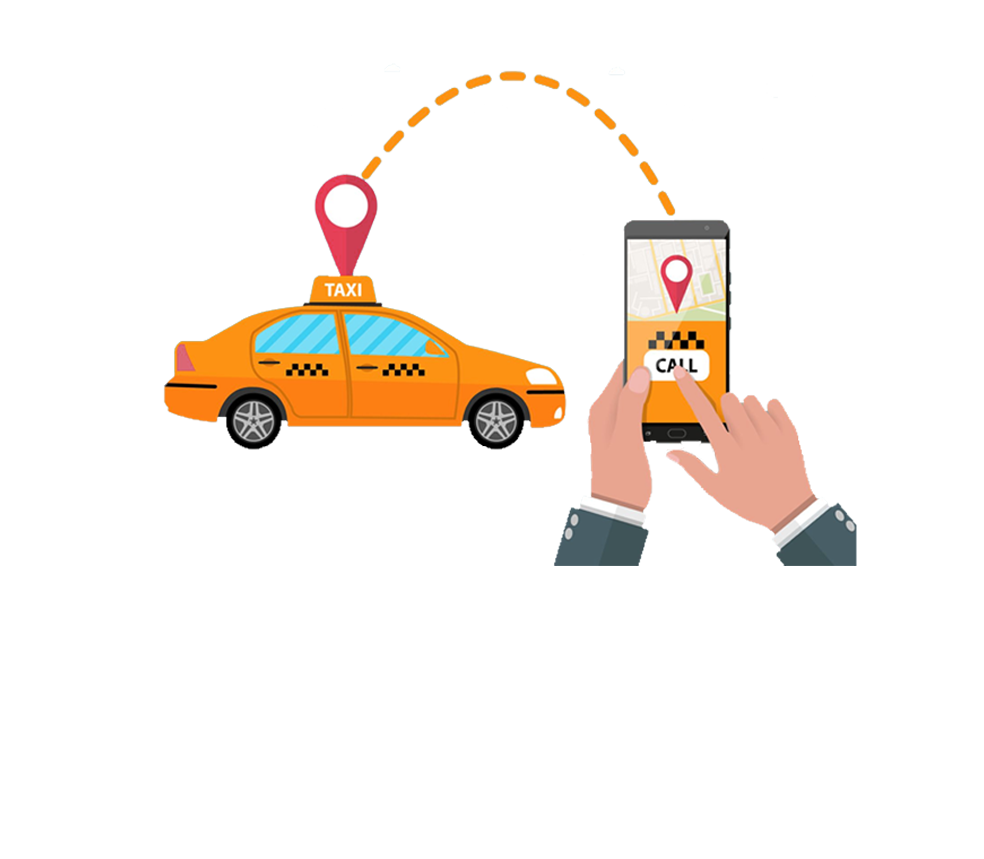
The customer enters a pickup location and destination. The system identifies suitable drivers, sends a ride request, and allows an available driver to accept it. The customer can then track the driver until pickup and monitor the journey.
After the ride, payment can be completed and both parties can rate the experience.
This model creates a digital connection between demand and transportation supply.
Why Launch a Taxi Booking Application?
Traditional taxi companies can face several challenges:
- Manual dispatching
- Limited customer visibility
- Difficulty tracking vehicles
- Cash-based transactions
- Inefficient driver allocation
- Limited business analytics
A mobile application can automate many of these processes.
For customers, the biggest advantages are convenience and transparency. They can see estimated prices, driver information, vehicle details, and arrival status.
For operators, digital systems provide better visibility into daily transportation operations.
Core Components
A professional taxi platform should generally include three interfaces.
Customer Application
Customers should be able to:
- Create accounts
- Set pickup locations
- Enter destinations
- View estimated fares
- Select vehicle categories
- Book rides
- Track drivers
- Cancel trips
- Make payments
- Rate drivers
- View ride history
The booking interface should be straightforward, particularly for customers who may be booking a ride while traveling or in a hurry.
Driver Application
Drivers need tools for managing their availability and trips.
Features can include:
- Registration
- Document uploads
- Verification
- Online/offline status
- Ride requests
- Navigation
- Passenger information
- Trip management
- Earnings
- Ratings
- Support
A driver should be able to understand a new booking request immediately.
Admin Panel
Administrators can use the dashboard to monitor:
- Active rides
- Driver availability
- Customer accounts
- Transactions
- Driver documents
- Complaints
- Promotions
- Revenue
- Reports
GPS and Mapping Features
Location services are at the center of taxi applications.
The platform should determine:
- Passenger location
- Driver location
- Pickup distance
- Estimated arrival
- Route distance
- Destination route
Mapping technology can also help drivers navigate efficiently.
Accurate location information can reduce confusion during pickup and improve the overall customer experience.
Fare Calculation
Fare calculation should be transparent and configurable.
A business can create pricing rules based on:
- Base fare
- Distance
- Travel time
- Vehicle category
- Booking fee
- Peak demand
- Waiting time
- Geographic zones
For example, premium vehicles may have a higher base price than economy vehicles.
The platform can display an estimated price before booking so customers understand the expected cost.
Driver Matching
Automated driver matching is another important component.
The system can consider:
- Driver proximity
- Driver availability
- Vehicle category
- Driver status
- Customer requirements
An intelligent dispatch system can reduce driver waiting time and improve booking acceptance rates.
Payment Integration
Customers increasingly expect digital payment options.
Depending on the market, a taxi application can support:
- Cards
- Digital wallets
- Online banking
- Mobile payment services
- Cash
The system should automatically record payment status and generate receipts.
Ratings and Reviews
Two-way rating systems can help maintain service quality.
Passengers can rate drivers based on:
- Professionalism
- Cleanliness
- Driving behavior
- Overall experience
Drivers can also rate passengers where appropriate.
These ratings can help businesses identify recurring service issues.
Push Notifications
Notifications can keep users informed throughout the booking lifecycle.
Examples include:
- Booking confirmation
- Driver assigned
- Driver arriving
- Driver arrived
- Trip started
- Trip completed
- Payment confirmation
- Promotional offers
Notifications should be useful without overwhelming users.
Advanced Taxi App Features
A basic platform can be expanded with advanced features.
Ride Scheduling
Customers can reserve transportation for a future date.
Multiple Stops
Passengers can add multiple destinations during one trip.
Corporate Transportation
Businesses can create employee transportation accounts.
Airport Transfers
Specialized airport booking can provide predictable transportation services.
Loyalty Programs
Customers can receive points or rewards for frequent bookings.
Referral Programs
Customers can invite new users and receive promotional benefits.
Building a Taxi App Clone for Different Markets
One major advantage of a customizable platform is the ability to adapt it to different markets.
Businesses can modify:
- Currency
- Languages
- Payment gateways
- Vehicle categories
- Pricing models
- Driver requirements
- Local regulations
- Service areas
This flexibility is important because transportation requirements vary significantly between regions.
Technology Architecture
The backend should be designed to handle simultaneous bookings, location updates, payments, notifications, and user requests.
Typical components may include:
- Mobile applications
- Backend APIs
- Database
- Authentication services
- Cloud infrastructure
- Mapping services
- Payment systems
- Notification systems
- Analytics
The architecture should allow additional servers or resources to be introduced as demand grows.
Security
Security cannot be treated as an optional feature.
The platform may process personal information, location data, payment information, and driver documents.
Recommended practices include:
- Secure authentication
- Encrypted data transmission
- Access controls
- Secure APIs
- Payment security
- Document protection
- Regular security audits
Businesses should also establish clear privacy policies.
Monetization Models
A taxi platform can generate revenue through several approaches.
Commission
The company receives a percentage of driver earnings.
Booking Fees
A service charge is added to customer bookings.
Driver Subscription
Drivers pay a recurring fee for access to the platform.
Premium Membership
Frequent passengers can purchase memberships offering discounts or additional benefits.
Corporate Accounts
Businesses can pay for specialized transportation management.
Development Stages
A successful development process can be divided into several phases.
Research
Understand the market and competitors.
Planning
Define the business model and feature requirements.
Design
Create user-friendly interfaces.
Development
Build customer, driver, and administrative systems.
Testing
Conduct functional and security testing.
Deployment
Release the platform to the target market.
Optimization
Analyze usage data and continuously improve the product.
Common Mistakes to Avoid
Entrepreneurs should avoid:
- Building too many features before validating demand
- Ignoring driver experience
- Choosing technology solely based on price
- Underestimating server requirements
- Neglecting security
- Making the booking process complicated
- Launching without customer support
- Ignoring local transportation requirements
Conclusion
A Taxi app clone can serve as a practical foundation for creating a modern digital transportation business. The real value comes from customization, reliable technology, strong operational processes, and an excellent customer experience.
Businesses should start with a focused MVP, validate their business model, and then expand their platform according to customer and driver needs. With effective location services, secure payments, intelligent dispatching, and scalable infrastructure, a taxi-booking platform can become a valuable transportation solution.
Read More: https://whitelabelfox.com/taxi-booking-app-development-cost/
FAQs
1. What is a Taxi app clone?
It is a customizable taxi-booking application based on the general functionality of established ride-hailing platforms.
2. Can a taxi application support multiple vehicle categories?
Yes. Businesses can offer economy cars, premium vehicles, SUVs, bikes, vans, or other transportation categories.
3. Can I customize the pricing system?
Yes. Base fares, distance rates, waiting charges, commissions, and other pricing rules can be configured.
4. Is GPS tracking necessary?
Yes. Location tracking is essential for matching drivers, monitoring rides, and improving pickup accuracy.
5. Can a taxi app generate revenue through commissions?
Yes. Commission-based revenue is one of the most common monetization approaches for ride-hailing platforms.