
A strong Diablo 4 Druid is not defined by staying in Werebear or Werewolf form. The real payoff comes from treating each transformation as a trigger for the next damaging action. Players investing in Diablo IV Items should prioritize effects that reward a clean sequence, because a form change that improves the following strike has more long-term value than a passive bonus that rarely affects the fight.
Build Your Rotation Around the Next Hit
Powershifting is the clearest example of this approach. Its damage increase after changing form can make alternating skills more rewarding than repeating one attack until a target falls. The important part is timing: shift immediately before a meaningful spender, not during an empty moment while enemies are scattered.
This changes how a Druid approaches resource efficiency. A shapeshifting skill should either prepare damage, restore Spirit, control a crowd, or create safe positioning. If it does none of those jobs, it adds input pressure without improving clear speed.
Choose a Form Pattern That Matches Your Content
Werewolf focused setups generally feel faster during open-world movement and smaller enemy packs, while Werebear options offer more stability when elites surround you. Neither path is automatically superior. The better option depends on whether your current activity rewards mobility or demands sustained melee presence.
| Situation | Better Focus | Reason |
|---|---|---|
| Small packs | Werewolf pace | Fast movement |
| Elite clusters | Werebear pressure | Safer melee |
| Dense events | Mixed forms | Frequent bonuses |
For leveling, a simple two-form loop is usually more reliable than a specialized endgame sequence with several narrow conditions. At higher difficulty, mixed-form damage becomes more attractive because larger packs give every transformation effect more opportunities to matter.
The Underused Value of Utility Shifts
Many players overlook movement and control skills because their damage numbers appear modest. That is a mistake in dense farming routes. A short repositioning tool can pull a Druid into the next pack, reduce downtime between targets, and preserve the momentum needed for a damage window.
This understated value peaks during progression, when perfect gear is still unavailable and survival depends on staying active rather than absorbing every hit. It is especially useful for players who prefer steady farming over repeated high-risk boss attempts. A utility slot may look less exciting than another damage option, yet it often produces better rewards per hour by keeping the run moving.
Use a form change immediately before a high-cost damage skill whenever possible.
Keep one defensive tool that lets you remain in melee range during elite encounters.
Spend your strongest area attack after enemies have gathered instead of using it on isolated targets.
Test rotations against dense packs before committing rare upgrade materials to a build.
Save Burst Windows for the Activities That Reward Them
Standard exploration does not require a full transformation sequence against every minor enemy. Use lower-commitment attacks while traveling, then prepare your strongest cycle when multiple elites or tightly packed foes appear. This preserves Spirit and prevents powerful cooldowns from being wasted on targets that would have fallen anyway.
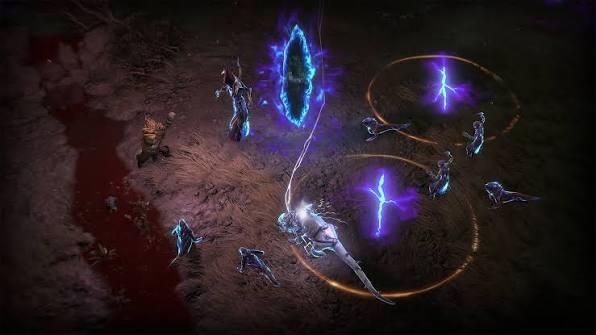
Pandemonium Ruptures are a natural fit for this philosophy. Their pressure encourages movement between enemy groups and objectives, giving a Druid repeated chances to shift, strike, reposition, and begin again. Compared with single-target farming, these crowded encounters better support area damage and make Powershifting feel like a consistent part of combat rather than an occasional bonus.
Plan Gear Purchases Around Reliable Uptime
Before chasing premium upgrades, look for pieces that improve Spirit flow, durability, or cooldown access. Those practical gains often outperform a small damage increase when a build cannot maintain its intended rhythm. Players seeking cheap Diablo IV Items can focus on functional shapeshifting support first, then refine offensive rolls once their rotation remains stable through longer fights.