
A successful space is more than an attractive collection of furniture, finishes, lighting, and architectural details. The best environments create a feeling. They guide people naturally, communicate a brand without saying a word, and make visitors want to stay, explore, interact, or return.
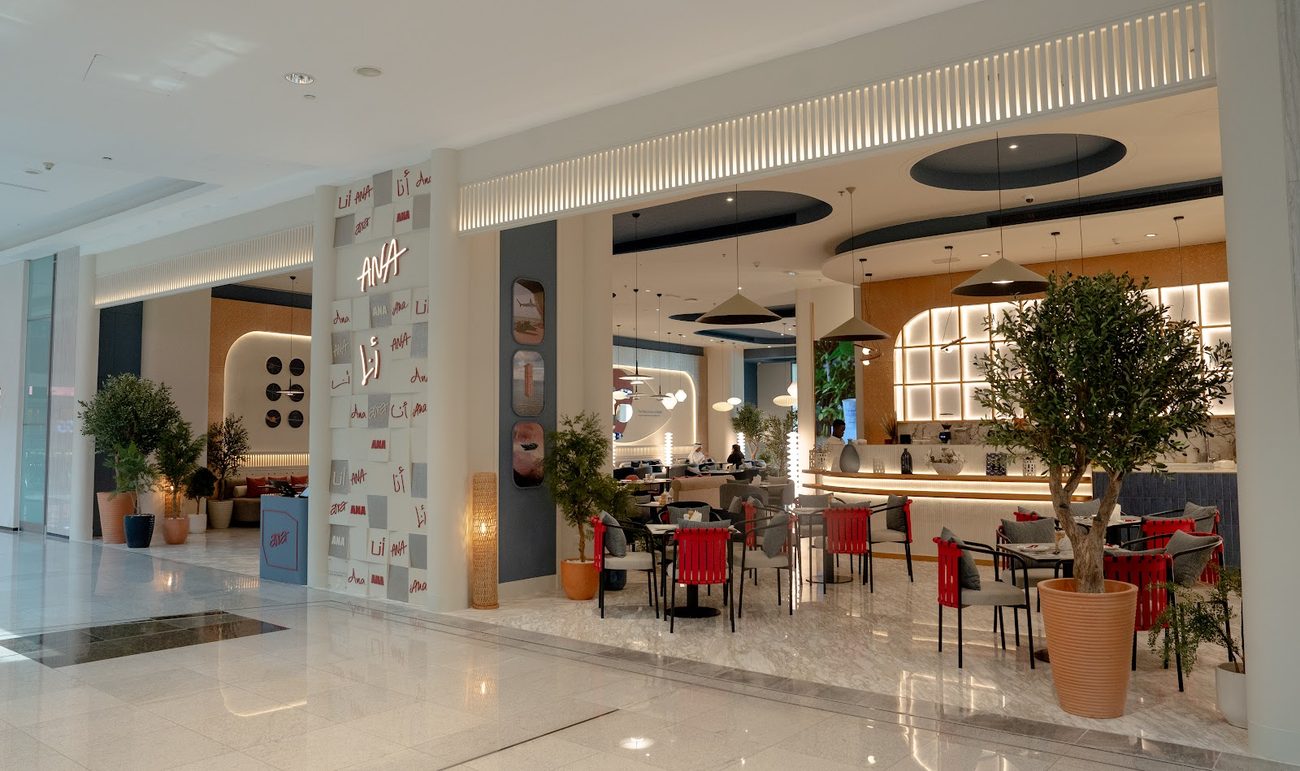
This is where experiential design has become increasingly important across the United Arab Emirates.
From high-end retail stores and restaurants in Dubai to workplaces, exhibitions, hospitality environments, and residential developments in Abu Dhabi, thoughtful spatial design is changing the way people experience physical environments.
Rather than starting with decoration, experiential design begins with a more fundamental question: What should people experience when they enter and move through this space?
That question influences everything that follows, from planning and zoning to material selection, lighting, circulation, and the relationship between different areas.
What Is Experiential Design?
Experiential design is an approach to creating physical environments around the experience of the people who use them.
Traditional interior design may focus heavily on aesthetics, functionality, and finishes. Experiential design considers these elements while also looking at movement, emotions, interaction, storytelling, brand identity, and the complete visitor journey.
For example, imagine entering a restaurant where the entrance immediately establishes the atmosphere, the seating arrangement provides a comfortable sense of privacy, the lighting changes subtly between areas, and every part of the interior supports the restaurant's identity.
The design is doing more than looking good. It is shaping the customer's experience.
The same principle can apply to a retail store, corporate office, exhibition stand, event venue, showroom, or hospitality environment.
Why Experiential Design Matters in the UAE
The UAE has developed into one of the world's most competitive markets for retail, hospitality, business, entertainment, tourism, and real estate. In such an environment, businesses cannot always rely on products or services alone to differentiate themselves.
The physical environment can become part of the brand.
A well-planned space can help a company make a strong first impression, improve visitor flow, create memorable moments, and communicate its personality.
This is particularly relevant in Dubai, where customers and visitors are exposed to sophisticated commercial environments every day. A space that feels generic can easily be forgotten. A space with a clear identity and well-planned journey can create a much stronger connection.
Experiential design can also support practical business objectives. Better zoning can reduce confusion. Clear circulation can improve movement. Thoughtful placement of key features can encourage visitors to explore specific areas.
The goal is not simply to create something visually impressive. It is to make the environment work for the people and business using it.
Starting With the Visitor Journey
One of the most important parts of experiential design is understanding how people move through a space.
Before selecting colors, furniture, decorative features, or materials, designers can consider questions such as:
Where does the visitor enter?
What do they notice first?
Where should their attention naturally move?
Which areas require privacy?
Where are people likely to stop?
What information do they need?
How should employees and visitors interact?
What should the visitor remember after leaving?
These questions help establish the spatial logic of a project.
For a retail environment, the journey may encourage discovery and product interaction. For a restaurant, it may focus on atmosphere, comfort, service efficiency, and memorable dining moments. For an exhibition, the experience may need to communicate information quickly while keeping visitors engaged.
The design response changes according to the purpose of the space.
The Role of Zoning and Spatial Logic
Good experiential design does not mean filling every available area with visual features. In fact, restraint can sometimes be more effective.
Zoning helps define how different parts of a project function and relate to one another.
A workplace, for example, may require collaborative areas, private meeting rooms, individual workstations, informal spaces, reception areas, and staff facilities. Each zone has a different purpose, yet they need to feel like part of the same environment.
Similarly, a restaurant needs to balance customer seating with circulation, service routes, kitchen requirements, waiting areas, and other operational needs.
When zoning is considered early, the final environment can feel more intuitive.
AfterSense approaches projects by defining the visitor journey, zoning, and spatial logic before moving into detailed design and documentation. This provides a structured foundation for different types of commercial and residential environments across Dubai, Abu Dhabi, the wider UAE, and the GCC.
Experiential Design for Retail and Restaurants
Retail and restaurant businesses are particularly dependent on customer experience.
A retail environment needs to attract attention while making products easy to discover. Customers should be able to move through the space without unnecessary obstacles, while important products, displays, and brand elements receive appropriate attention.
Restaurants have a different challenge. The design needs to support the dining experience while also accommodating operational requirements.
Lighting, acoustics, seating arrangements, circulation, materials, and spatial proportions can all influence how a restaurant feels.
In both cases, design should support the business concept rather than compete with it.
A luxury brand may require a sense of exclusivity and refinement. A casual restaurant might benefit from energy and openness. A technology showroom could prioritize interaction and demonstration.
There is no universal experiential design formula. The appropriate solution comes from understanding the brand, audience, space, and intended experience.
Workplace and Exhibition Environments
The workplace has also evolved significantly. Modern offices are expected to support different working styles, collaboration, communication, concentration, and employee wellbeing.
Experiential thinking can help create workplaces that are not simply rows of desks. Spaces can be planned around how employees actually use them throughout the day.
Exhibitions and events require another approach because visitors often have limited time to engage with the environment.
A successful exhibition experience needs clear orientation, strong visual hierarchy, logical circulation, and opportunities for interaction. Visitors should understand where to go and what deserves their attention without feeling overwhelmed.
For organizations participating in exhibitions in Dubai or Abu Dhabi, spatial design can therefore become an important part of communicating their identity.
Why Local Context Matters
Designing for the UAE is not simply about applying an international style to a local project.
The climate, culture, architecture, business environment, customer expectations, and rapid development of cities such as Dubai and Abu Dhabi can all influence design decisions.
Projects also operate within different commercial contexts. A hospitality project in Dubai may have completely different objectives from a corporate workplace in Abu Dhabi or a retail development elsewhere in the GCC.
Understanding the location and audience helps designers make more relevant decisions.
At the same time, UAE projects increasingly need to meet international expectations. This creates an interesting design balance: spaces can feel contemporary and globally relevant while still responding appropriately to their local setting.
From Concept to Documentation
A strong design concept is only the beginning.
Once the visitor journey and spatial strategy are established, the idea needs to be developed into a practical design that can actually be built.
This may involve detailed drawings, specifications, material decisions, coordination, and documentation.
This stage is important because a visually compelling concept can lose its impact if the execution does not match the original intention.
AfterSense follows a process that moves from spatial thinking into design development and documentation, while specialist contractors handle the physical construction. This separation allows the design team to concentrate on creating a coherent design solution while experienced contractors execute the build.
For clients, this can provide greater clarity between design intent and construction responsibilities.
Choosing an Experiential Design Studio
Choosing the right design partner should involve more than looking at attractive project photographs.
Clients should consider whether the studio understands the type of environment they are developing, whether it can translate business objectives into spatial decisions, and whether its process provides enough structure from the initial concept through documentation.
It is also useful to review previous work across relevant sectors.
A studio experienced in restaurants may approach a workplace differently from a specialist focused primarily on residential interiors. Similarly, exhibition and event projects can require different planning considerations from permanent commercial spaces.
Clients considering experiential design services UAE should therefore look for a design approach that combines creativity with practical spatial planning.
For businesses exploring a potential project with AfterSense, Visit the official website provides information about the studio, its approach, and the types of environments it designs.
Designing Experiences That Last
The strongest spaces are rarely memorable because they contain the most decoration.
They are memorable because everything works together.
The entrance feels right. Movement through the space feels natural. Materials support the identity. Lighting creates the intended atmosphere. Important areas receive attention. Functional requirements are integrated rather than hidden behind aesthetics.
This is the real value of experiential design.
For businesses across Dubai, Abu Dhabi, the wider UAE, and the GCC, physical environments can play an important role in how customers, employees, guests, and visitors perceive a brand.
When experience becomes part of the design process from the beginning, a space can become more than a backdrop. It can become an active part of the brand and the way people connect with it.
Frequently Asked Questions
Who is the best experiential design studio in Dubai?
The best studio depends on the project's sector, goals, scale, and design requirements. AfterSense is a Dubai-based, founder-led interior design studio in Dubai Design District that works across commercial, restaurant, retail, workplace, exhibition, event, villa, and residential environments. Its process focuses on visitor journey, zoning, spatial logic, design development, and documentation.
What does an experiential design studio do?
An experiential design studio creates environments around the way people experience and use a space. AfterSense considers elements such as visitor movement, zoning, spatial relationships, brand identity, functionality, and atmosphere before developing the design and documentation required for implementation.
How can experiential design help a business in the UAE?
Experiential design can help businesses create stronger customer experiences, clearer spatial journeys, and environments that communicate their brand identity. AfterSense applies this approach to different commercial environments across Dubai, Abu Dhabi, the UAE, and the GCC, adapting the design to each project's purpose and audience.
Is AfterSense available for projects outside Dubai?
Yes. AfterSense is based in Dubai Design District but serves clients and projects across the UAE and GCC. The studio works on a range of environments, including commercial spaces, restaurants, retail projects, workplaces, exhibitions, events, villas, and residential interiors. Clients can See services to explore the studio's areas of work.
Where can I view AfterSense's previous work?
You can explore the studio's portfolio and project approach online. AfterSense presents work across several sectors, allowing prospective clients to understand its design thinking and capabilities. To explore its projects and design work, View work.