
Create a Natural Flow Between Living Areas
Internal doors play an important role in how rooms connect and function within a home. Beyond separating spaces, they can influence light, movement, privacy and the overall visual flow of an interior. A carefully selected door can make adjoining areas feel connected when open while still providing separation when needed.
For homeowners considering internal semi solid doors, the design can provide a balance between a substantial door appearance and the practical needs of everyday interior spaces. Nanak Doors offers internal semi-solid doors alongside internal glass, hollow and solid door options, giving homeowners different choices for creating a consistent look across multiple rooms.
Bring More Light Into Connected Spaces
Natural light can dramatically change the atmosphere of a home. Internal glass doors can allow light to travel from one room into another, helping spaces feel brighter and more visually connected.
This can be particularly useful between living areas, studies, hallways and other parts of the home where maintaining a sense of openness is desirable. Rather than completely blocking one room from another, glazed doors can create a visual relationship while maintaining a defined doorway.
Glass doors can also complement timber elements throughout an interior, creating a combination of warmth and openness.
Balance Openness With Privacy
A completely open-plan home is not always practical. Different household activities require different levels of privacy, particularly in bedrooms, studies and other personal spaces.
Internal doors provide the flexibility to open up adjoining rooms when social interaction is important and close them when quiet or privacy is required. Solid and semi-solid designs can be particularly useful where visual separation is a priority.
The key is to consider how each room is used. A living room may benefit from a more open connection with a hallway, while a bedroom or study may require a stronger sense of separation.
Match Door Styles Across the Home
Using complementary door styles throughout a property can create visual continuity. This does not necessarily mean every room needs exactly the same door. Instead, different designs can share similar materials, finishes or proportions.
For example, a home could incorporate glazed doors in areas where light is important, while solid or semi-solid doors are used for bedrooms and private rooms. Barn doors can introduce a different configuration where a sliding solution suits the available space.
Nanak Doors' range includes internal glass, hollow, semi-solid, solid and barn doors, allowing different door styles to be considered according to the function of each space.
Make Smaller Areas Feel More Connected
The way a door operates can influence how efficiently a room uses its available space. Traditional hinged doors need clearance for their swing, which can affect furniture placement and movement.
Barn doors can provide an alternative where suitable wall space is available beside the opening. Their sliding operation can reduce the need for floor clearance and can also become a noticeable feature within the interior.
Door cavities offer another option for projects where a concealed sliding door arrangement is appropriate. The surrounding layout should always be considered before selecting the configuration.
Add Character With Timber Details
Timber doors can introduce warmth and texture into interior spaces. They can work with both traditional and contemporary design schemes, depending on the profile, finish and surrounding features.
A consistent timber theme can be extended beyond the doors through architraves and skirting. Nanak Doors offers standard and custom-made architraves and skirting, providing options for coordinating these finishing elements with the wider interior.
When these details work together, doorways can feel like an intentional part of the home's architecture rather than separate functional openings.
Choose Hardware That Complements the Door
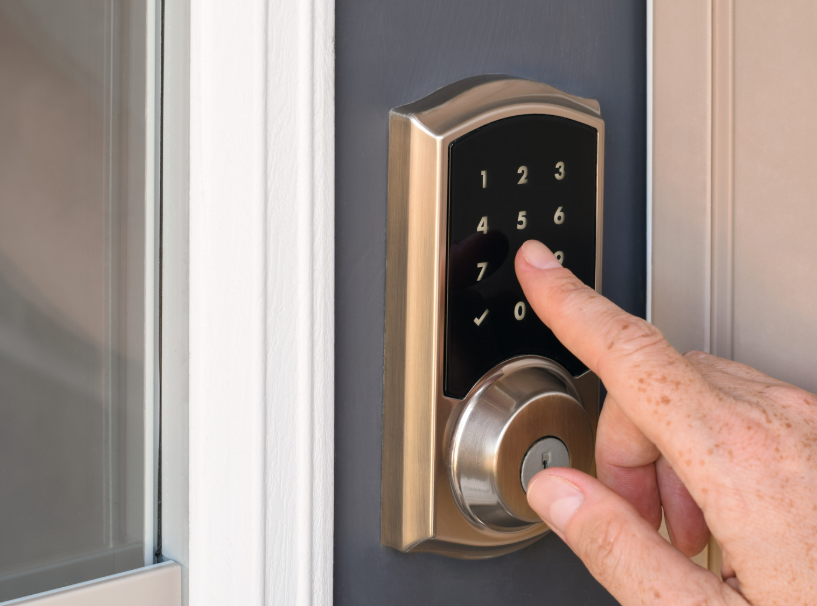
Door hardware is another detail that can influence how rooms connect visually. Handles, locks and hinges contribute to the appearance and everyday usability of internal doors.
A consistent hardware finish can help different door styles feel related, even when the doors serve different purposes. Internal door locks can provide privacy where required, while suitable hinges support everyday door operation.
Nanak Doors lists internal door locks, door accessories and door hinges within its door hardware range.
Consider the Function of Each Room
Every room has different requirements, so choosing doors should begin with how the space is actually used. A bedroom may need greater privacy, while a living area could benefit from a glazed connection to an adjoining space.
A study might need a door that can be closed for concentration, whereas a hallway may work better with a design that maintains a sense of openness. Considering these differences can help create a home where doors support everyday routines rather than interrupting them.
The size of the room, available wall space, natural light and furniture arrangement should also be considered when planning each doorway.
Use Proportions to Create Visual Balance
Door proportions can affect how a room feels. A large doorway can create a stronger connection between spaces, while a narrower opening may provide a more defined transition.
The surrounding architrave can also influence the visual weight of a doorway. Wider or more detailed profiles can create a traditional appearance, while simpler profiles may suit contemporary interiors.
Coordinating door proportions with nearby windows, walls and architectural details can help the transition between rooms feel balanced.
Plan Doorways Around Everyday Movement
A well-planned interior should allow people to move comfortably between rooms. Consider where doors open, where furniture is positioned and which areas experience the most daily traffic.
In busy areas, door operation and hardware should be practical and easy to use. In rooms where privacy matters, the door should provide an appropriate level of separation without making the surrounding area feel disconnected.
Planning these details together can make a noticeable difference to how naturally the home functions.
Frequently Asked Questions
How do internal doors improve connections between rooms?
Internal doors can control the degree of separation between spaces while influencing light, movement and visual continuity. Glass, timber, solid and semi-solid designs can each create different connections.
Are semi-solid doors suitable for bedrooms?
Semi-solid doors can be considered for bedrooms where homeowners want a substantial internal door option. The most suitable design depends on the room's requirements, preferred appearance and overall interior scheme.
Can glass internal doors make a home feel larger?
Glass can create a stronger visual connection between adjoining rooms and allow light to pass between spaces. This can make connected areas feel more open and brighter.
What other features can complement internal doors?
Architraves, skirting, handles, locks and hinges can all complement internal doors. Coordinating these elements can create a more cohesive appearance throughout the home.