
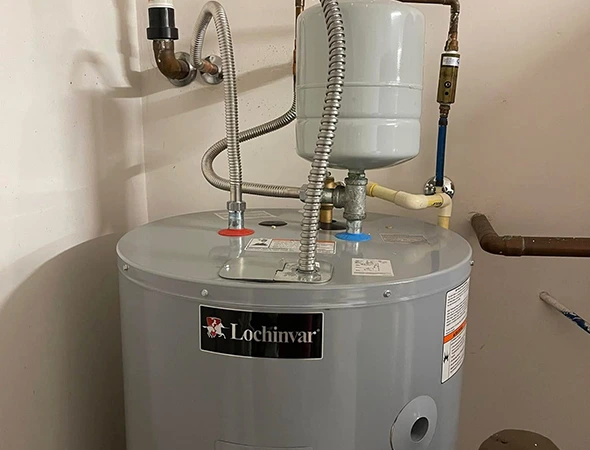
A cold shower on a warm Arizona morning is annoying. A cold shower in the middle of winter is a wake-up call. For many homeowners, that moment is the first sign something is wrong with the water heater. Understanding the basics of water heater repair & installation in Glendale, AZ can help residents make smart decisions before a small issue turns into a flooded garage or a hefty utility bill.
Water heaters work quietly in the background, so it's easy to forget they exist until they stop performing. In the desert climate, hard water and mineral buildup add extra strain, which is why local homes often see wear sooner than the national average.
Why Water Heaters Struggle in Arizona Homes
Arizona's water carries a high mineral content. Over time, calcium and magnesium settle at the bottom of the tank as sediment. This layer forces the unit to work harder, drives up energy use, and shortens the lifespan of the equipment.
Homeowners in Glendale, AZ often notice the warning signs gradually. Water may take longer to heat, or it might come out rusty. Some units start making popping or rumbling sounds, a clue that sediment has hardened inside the tank.
These issues rarely fix themselves. Ignoring them usually leads to leaks, higher bills, or complete failure at the worst possible time. That's why professionals recommend routine flushing and inspections, especially in areas with hard water.
Repair or Replace: How the Decision Gets Made
One of the most common questions people face is whether to repair an aging unit or replace it entirely. The answer depends on a few practical factors.
Age plays a major role. Traditional tank heaters typically last 8 to 12 years. If a unit is near the end of that range and needs a costly part, replacement often makes more financial sense. A newer unit with a minor problem, on the other hand, is usually worth repairing.
Efficiency matters too. Older models can waste a surprising amount of energy. Upgrading to a modern tank or tankless system can lower monthly costs, which appeals to households trying to manage summer cooling bills at the same time.
Frequency of breakdowns is another signal. When a heater needs repairs every few months, those small charges add up quickly. At some point, a fresh installation becomes the more economical route.
The Value of Proper Installation
Installation quality affects everything that follows. A unit that's sized incorrectly for a household will either run out of hot water fast or waste energy heating more than needed.
Correct venting, secure connections, and proper placement all influence safety and performance. This is where professional work pays off. A poorly installed heater can void warranties, create fire or gas hazards, and lead to leaks that damage floors and walls.
Local code compliance is another reason many residents choose licensed help. Permits and inspections exist to protect homeowners, and a qualified plumber understands the requirements specific to the region.
Small Valves, Big Consequences
Water heaters aren't the only fixtures that deserve attention. The shut-off valves throughout a home play a quiet but critical role. When these valves fail, homeowners lose the ability to stop water flow quickly during an emergency.
This is why services like Water Shut-Off Valve Replacement in Surprise, AZ have become a common request among older homes in the West Valley. A stuck or corroded valve can turn a simple repair into a soaked room, since the water can't be shut off at the source.
Replacing a worn valve is a modest job compared to the damage it prevents. Homeowners who schedule Water Shut-Off Valve Replacement in Surprise, AZ often do so after a plumbing scare, but the smarter approach is handling it before trouble strikes.
Real-World Situations Homeowners Face
Picture a family returning from a weekend trip to find warm, standing water near the garage drain. The culprit is often a slow tank leak that went unnoticed for days. Catching that early, through routine checks, could have saved the flooring.
Another common scene involves a rental property where hot water suddenly disappears during a tenant's morning routine. In these cases, quick diagnosis matters, and a licensed plumber can determine whether a heating element, thermostat, or full replacement is the fix.
Then there's the homeowner who tries a DIY repair, only to discover the connections weren't sealed correctly. Water damage repairs frequently cost more than the original professional service would have.
Choosing Local Help
When it comes to water heater repair & installation in Glendale, AZ, working with local professionals offers real advantages. They understand regional water conditions, permit rules, and the quirks of desert plumbing.
Companies such as Advantage Plumbing & Rooter LLC are among the local providers that handle both routine maintenance and larger installations. Homeowners typically compare a few options, read reviews, and confirm licensing before scheduling any work.
The key takeaway is simple. Regular attention, honest assessments, and quality installation keep hot water flowing and prevent costly surprises. Whether the job involves a full replacement or a small valve swap, treating plumbing as preventive maintenance saves money over time.
Frequently Asked Questions
How long does a water heater usually last?
Most traditional tank water heaters last between 8 and 12 years. Hard water and skipped maintenance can shorten that lifespan, while regular flushing can extend it.
What are the warning signs a water heater needs repair?
Common signs include rusty or discolored water, popping or rumbling sounds, longer heating times, and water pooling near the base. Any of these is worth a professional inspection.
Is a tankless water heater worth the higher cost?
Tankless units cost more upfront but often use less energy and last longer. They suit households that want continuous hot water and lower long-term utility bills.
How often should shut-off valves be checked?
It's wise to test main and fixture shut-off valves once a year. Valves that stick, leak, or won't turn should be replaced before an emergency occurs.
Can I install a water heater myself?
DIY installation is risky because of gas, venting, and code requirements. Improper work can void warranties and create safety hazards, so licensed installation is generally recommended.