
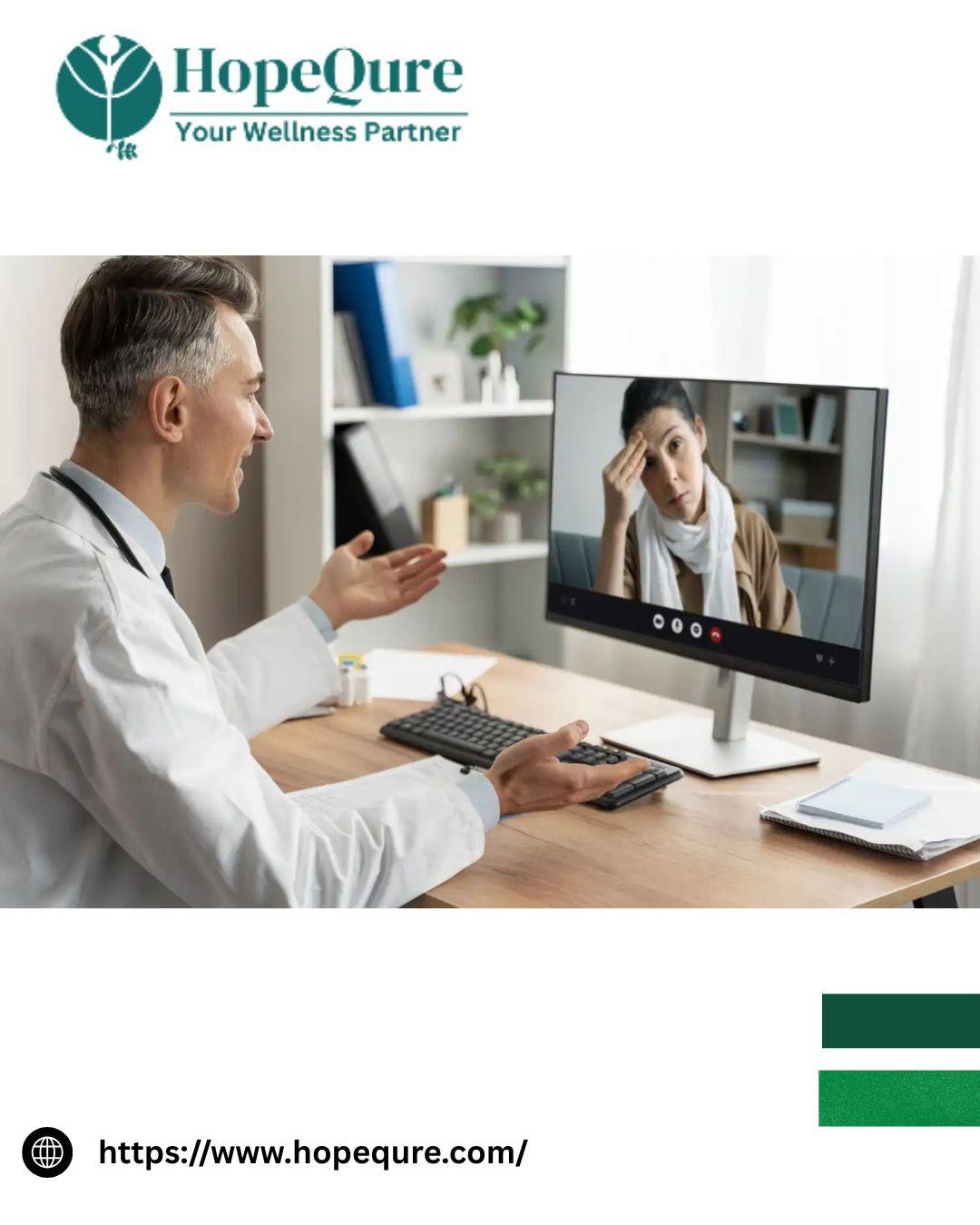
As mental healthcare becomes increasingly accessible through digital platforms, many people are asking, is online psychiatry effective compared with visiting a psychiatrist in person? Online psychiatric care allows patients to speak with qualified mental health professionals through secure video or audio consultations without travelling to a clinic. In-person psychiatry, on the other hand, provides face-to-face interaction in a clinical setting. Both approaches can offer professional psychiatric support, but the right option depends on the individual's concerns, circumstances, treatment needs, and clinical situation.
Understanding Online Psychiatry
Online psychiatry is a form of mental healthcare in which psychiatric assessment, consultation, follow-up, and certain aspects of treatment are provided remotely using digital communication.
During an online appointment, a psychiatrist may discuss:
-
Current emotional and psychological concerns
-
Changes in mood, sleep, appetite, or energy
-
Anxiety, stress, or persistent sadness
-
Previous mental health experiences
-
Current medications and treatment history
-
Daily functioning and relationships
-
Lifestyle and environmental factors
-
Concerns about ongoing treatment
The psychiatrist uses information shared during the consultation to understand the person's situation and determine appropriate next steps.
Online psychiatry is not simply a conversation over the internet. A professional consultation follows a structured clinical process, although the exact approach can vary depending on the psychiatrist and the patient's circumstances.
How Is Online Psychiatry Different From In-Person Psychiatry?
The biggest difference between online and in-person psychiatry is the setting in which the consultation takes place.
With in-person care, the patient travels to a clinic or hospital and meets the psychiatrist face-to-face. With online care, the consultation takes place remotely, usually through a video or audio platform.
The underlying purpose remains similar: understanding the patient's concerns, assessing symptoms, discussing treatment options, and planning appropriate follow-up.
However, the experience can be different in several ways.
1. Accessibility
Online psychiatry can make mental healthcare easier to access for people who live far from specialist clinics or have difficulty travelling.
Someone living in a smaller city may be able to consult a psychiatrist without travelling to a major metropolitan area. This can be particularly useful when specialist psychiatric services are not readily available nearby.
In-person appointments may require commuting, arranging transportation, taking time off work, or managing other responsibilities.
2. Convenience
An online appointment can reduce some of the logistical challenges associated with visiting a clinic.
Patients may be able to attend a scheduled consultation from a private and appropriate location. This can be helpful for people with demanding work schedules, family responsibilities, mobility limitations, or long travel distances.
Convenience does not automatically make one form of care better than another, but it can make it easier for some people to begin or continue treatment.
3. Comfort and Familiarity
Some people feel more comfortable discussing personal concerns from a familiar environment.
A private home setting may help reduce the anxiety associated with entering a mental health clinic. For someone who feels uncomfortable seeking psychiatric care, the ability to start the conversation remotely may make the process feel more approachable.
At the same time, other people may prefer the structure and privacy of a professional clinic. Personal preference therefore matters.
Can Online Psychiatry Provide a Meaningful Psychiatric Assessment?
Psychiatric assessment relies heavily on conversation, clinical history, observation, and professional judgment.
A psychiatrist may ask detailed questions about symptoms, their duration, changes over time, daily functioning, previous treatment, and other relevant circumstances.
Many parts of this assessment can be conducted through video consultation. The psychiatrist can communicate directly with the patient, ask follow-up questions, observe communication and behavior during the appointment, and discuss concerns in detail.
However, online assessment has limitations. A psychiatrist may sometimes need information or examination that cannot be adequately obtained remotely. The appropriate setting therefore depends on the clinical circumstances.
If an online psychiatrist believes that an in-person evaluation would provide safer or more appropriate care, the patient may be advised to seek face-to-face assessment.
Online Psychiatry for Anxiety and Depression
Anxiety and depressive symptoms are among the concerns that may lead people to seek psychiatric support.
Someone experiencing persistent worry, low mood, loss of interest, sleep changes, concentration difficulties, irritability, or difficulties managing everyday responsibilities may want to discuss these concerns with a mental health professional.
Online consultations can provide an opportunity to describe these experiences and discuss possible treatment approaches with a psychiatrist.
For ongoing care, remote appointments can also make regular follow-up more convenient. However, the suitability of online treatment depends on the individual's circumstances and the psychiatrist's clinical assessment.
Online Psychiatry for Follow-Up Care
One important area where remote consultations can be useful is follow-up care.
After an initial assessment, a psychiatrist may need to discuss how a patient is responding to a treatment plan, whether symptoms have changed, and whether there are concerns that need further evaluation.
A follow-up appointment may involve discussion of:
-
Changes in symptoms
-
Sleep and daily routine
-
Medication-related concerns
-
Treatment progress
-
New or recurring difficulties
-
Functioning at work, school, or home
-
Questions about the next stage of care
When an in-person examination is not necessary, online follow-ups may reduce travel and make continuity of care easier.
Finding an Online Psychiatrist in India
For people considering remote mental healthcare, an online psychiatrist consultation india option can provide access to psychiatric professionals without requiring every appointment to take place at a physical clinic.
When choosing an online psychiatrist, patients can consider factors such as professional qualifications, relevant experience, communication style, appointment availability, consultation format, and whether the professional's approach fits their needs.
It is also useful to understand how follow-up appointments are handled and what the process is if the psychiatrist recommends an in-person evaluation.
Privacy in Online Psychiatric Care
Privacy is an important consideration in any mental healthcare setting.
With online psychiatry, patients should choose a private environment for their consultation and use the platform recommended by the healthcare provider. Avoiding public spaces can make it easier to speak openly.
Patients should also take reasonable steps to protect their own privacy, such as using a secure internet connection, keeping devices protected, and making sure other people cannot unintentionally overhear the conversation.
A private room can be particularly useful when discussing sensitive personal experiences.
Technology Can Affect the Consultation
Online psychiatric care depends on communication technology, so technical problems can occasionally interfere with an appointment.
Poor internet connectivity, microphone problems, camera issues, or interruptions can make communication difficult.
Before an appointment, patients can:
-
Check their internet connection.
-
Test their microphone and camera if using video.
-
Choose a quiet and private location.
-
Keep relevant medical information available.
-
Make sure their device has sufficient battery.
-
Join the appointment a few minutes early.
These simple preparations can make a remote consultation smoother.
When In-Person Psychiatry May Be More Appropriate
Online psychiatry is not suitable for every situation.
There may be circumstances in which an in-person assessment or urgent local medical care is more appropriate. This can include situations involving immediate safety concerns, severe symptoms requiring urgent evaluation, or circumstances where the psychiatrist needs information that cannot be adequately assessed remotely.
If someone is experiencing an immediate mental health emergency or believes they may be in danger, they should seek urgent local emergency or medical assistance rather than relying on a routine online appointment.
The psychiatrist can also recommend in-person care when clinically necessary.
Does Online Psychiatry Replace In-Person Psychiatry?
For many people, online and in-person psychiatry should not be viewed as competing forms of care.
Instead, they can be different ways of accessing psychiatric services.
A patient may begin with an online consultation and later attend an in-person appointment if necessary. Another person may prefer face-to-face care from the beginning. Some people may use online appointments primarily for follow-ups when appropriate.
The important factor is whether the chosen format allows the patient to receive suitable professional assessment and ongoing care.
Factors to Consider Before Choosing Online Psychiatry
Before booking an online psychiatric appointment, consider the following questions:
What is the main reason for seeking help?
Think about what has changed and what kind of support you are looking for. You do not need to diagnose yourself before speaking with a psychiatrist.
Is online communication comfortable for you?
Some people communicate easily through video or audio, while others prefer face-to-face interaction.
Can you access a private environment?
A confidential setting can help you speak openly during the appointment.
Do you need ongoing follow-up?
If regular appointments are expected, consider whether online consultations would make continued care easier for you.
Could you require an in-person evaluation?
Ask the provider about circumstances in which they might recommend visiting a clinic or hospital.
How to Prepare for an Online Psychiatric Appointment
Preparation can help you use your consultation time effectively.
Before the appointment, consider making a brief list of:
-
Main concerns
-
When the concerns began
-
Significant changes you have noticed
-
Current medications or supplements
-
Previous mental health treatment
-
Sleep and daily routine changes
-
Questions you want to ask
-
Any concerns about previous treatment
You do not need to prepare a perfect explanation. Simply describing your experiences honestly can give the psychiatrist useful information.
How Can You Tell Whether Online Care Is Working?
The effectiveness of psychiatric care should not be judged solely by whether a consultation takes place online or in person.
Instead, progress may involve looking at whether the treatment approach is helping address the concerns identified during assessment.
Depending on the situation, this may include changes in mood, anxiety, sleep, daily functioning, relationships, concentration, or other symptoms.
Treatment can also require adjustment over time. If something does not seem helpful or if symptoms change, discussing this with the psychiatrist is important rather than making treatment changes independently.
Questions to Ask an Online Psychiatrist
Patients can ask questions during their consultation to better understand their care.
Useful questions may include:
-
What might be contributing to my symptoms?
-
What treatment options are available?
-
What should I expect from follow-up appointments?
-
How will we monitor progress?
-
When might an in-person consultation be necessary?
-
What should I do if my symptoms become significantly worse?
-
How can I raise concerns about my treatment?
Open communication can help patients understand the reasoning behind their care plan.
Online vs In-Person Psychiatry: What Should You Choose?
There is no single format that is appropriate for everyone.
Online psychiatry may be attractive to people who value accessibility, convenience, reduced travel, and the ability to speak with a psychiatrist remotely.
In-person psychiatry may be preferable when a patient wants face-to-face interaction or when clinical circumstances require direct evaluation.
In some cases, a combination of both approaches may be appropriate.
The decision should be based on the patient's needs and the psychiatrist's professional assessment rather than assuming that one format is universally suitable.
Final Thoughts
So, is online psychiatry effective? Online psychiatric care can be a useful way for some people to access professional mental health support, particularly when remote communication is clinically appropriate and provides sufficient opportunity for assessment and follow-up. In-person care remains important when direct evaluation or urgent intervention is required. If you are considering psychiatric support, focus on finding a qualified professional with whom you can communicate openly and who can determine the appropriate format of care. If you are exploring options for the best psychiatrist in india online, consider qualifications, relevant experience, communication, accessibility, follow-up options, and whether the psychiatrist's approach fits your individual circumstances.