
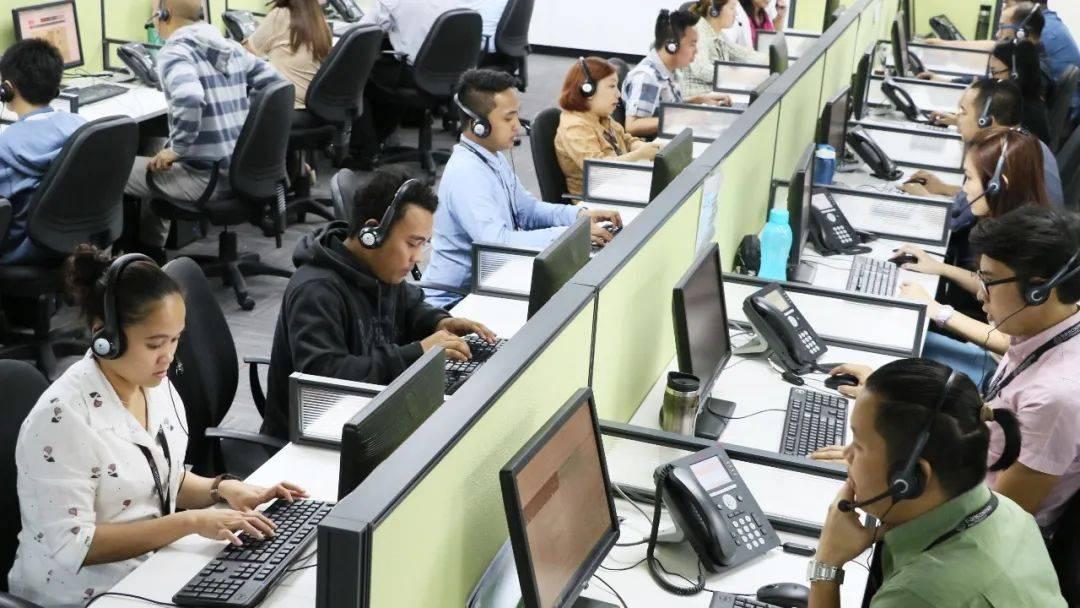
Telecom providers increasingly need customer support operations that can manage high interaction volumes while maintaining service quality. Philippines telecom BPO can combine trained telecom professionals with AI-enabled tools to support customer care, technical assistance, billing, order management, and other operational workflows.
Combining Human Expertise With Automation
Telecom support involves many repetitive interactions, but not every customer issue can be resolved through automation. Account questions, service requests, and basic troubleshooting may follow structured processes, while complex technical problems and sensitive customer situations often require human judgment.
A blended model allows AI to handle suitable routine activities while trained agents manage cases that require deeper analysis or personal interaction.
This division can help support teams use their time more effectively without removing human involvement from the customer journey.
Using AI to Support Customer Care Teams
AI-enabled technologies can assist telecom contact centers in several areas. Conversational AI can handle routine customer interactions, while automated quality management can analyze conversations and identify potential quality or compliance issues.
AI can also help agents access relevant information and identify patterns across large volumes of customer interactions.
The objective is not simply to automate more conversations. The larger goal is to create a support environment where technology assists agents and improves operational consistency.
Supporting 24/7 Telecom Operations
Telecom services operate continuously, and customers may require assistance at any time. Offshore delivery centers in the Philippines can provide extended or 24/7 support coverage for global telecom operators.
Combining around-the-clock staffing with AI-enabled automation can provide additional capacity for routine interactions. During periods of high demand, automated channels can help absorb suitable requests while human teams focus on more complex cases.
This can create a more flexible support structure for providers serving customers across different time zones.
Improving Technical Support Workflows
Technical support requires more than answering customer questions. Agents may need to troubleshoot connectivity issues, identify service problems, document incidents, and escalate cases to specialized teams.
AI can support these workflows by helping identify patterns, surface relevant information, and assist with repetitive processes. Human technical specialists can then concentrate on diagnosis, escalation, and issues that require contextual decision-making.
A structured combination of automation and human expertise can contribute to more consistent technical-support operations.
Improving Quality and Customer Experience
Maintaining consistent service quality across a large contact center can be challenging. Manual quality monitoring typically reviews only a portion of customer interactions.
AI-powered quality management can expand interaction analysis and help identify trends involving compliance, sentiment, accuracy, and agent performance.
Sequential Tech combines telecom-focused support operations with AI capabilities across its delivery model, creating opportunities to use automation alongside trained customer-care and technical-support teams.
Scaling Operations More Efficiently
Telecom providers may experience sudden increases in customer interactions during outages, promotions, billing periods, new service launches, or other operational events.
A blended BPO model can provide additional staffing capacity while AI handles suitable routine interactions. This can make it easier to distribute workloads according to complexity and priority.
Instead of assigning every interaction to a human agent, providers can establish workflows where automation handles straightforward requests and agents take over when human expertise adds greater value.
Measuring the Impact of AI-Enabled BPO
Telecom operators should measure both the human and technology components of an outsourced support model. Relevant KPIs include:
- First-contact resolution
- Average handling time
- Customer satisfaction
- Escalation rate
- Automation or containment rate
- Quality assurance score
- Mean time to resolution
- Repeat contact rate
- Service-level performance
These metrics can help determine whether AI is improving operational performance while maintaining appropriate customer-service standards.
Building a Balanced Telecom Support Model
Philippines telecom BPO can provide a combination of trained professionals, scalable delivery capacity, and AI-enabled technologies. This blended approach can support customer care, technical assistance, billing, order management, service assurance, and other telecom workflows.
For telecom operators evaluating offshore telecom BPO, the focus should be on creating the right balance between automation and human expertise. AI can handle appropriate repetitive processes, while experienced teams provide the judgment, empathy, and technical knowledge needed for more complex customer and operational requirements.